Oviedo resident Stephen Schenck donates home on East Magnolia for firefighter training
Oviedo resident Stephen Schenck donated a two-story East Magnolia home for firefighter training, giving local crews realistic practice and strengthening emergency response.
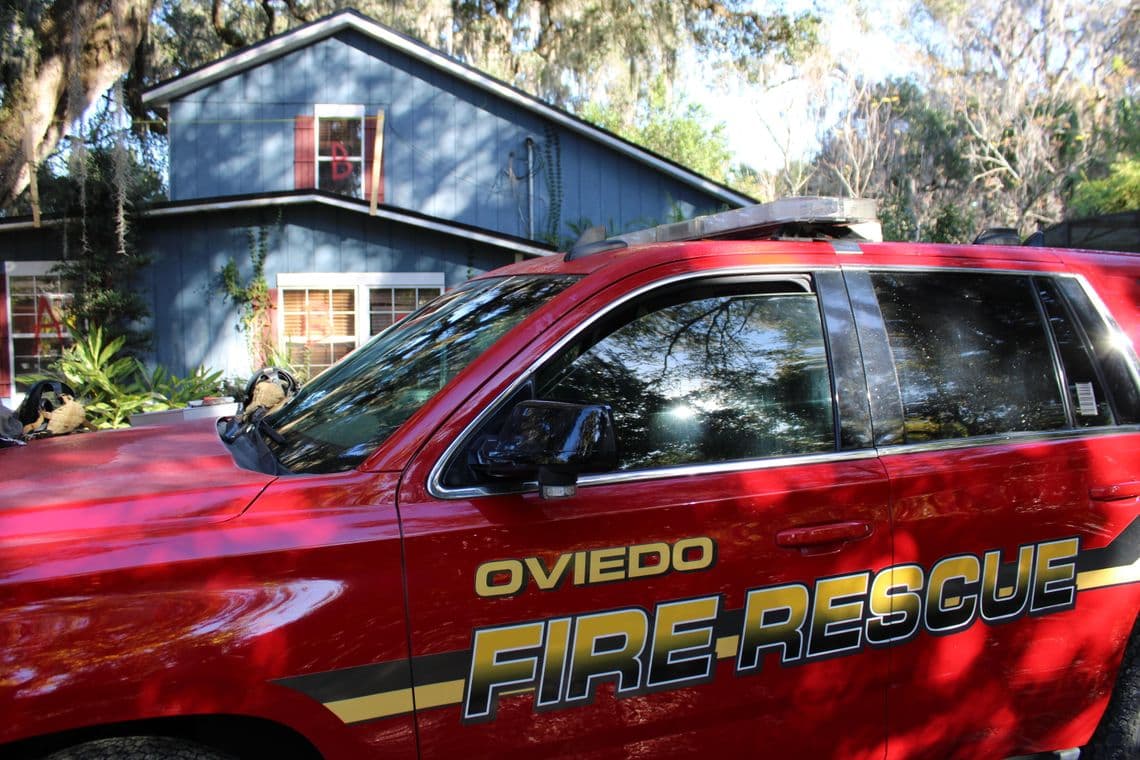
A two-story house on East Magnolia Street donated by Oviedo resident Stephen Schenck was used for intensive firefighter training from January 2 to January 11, providing local crews realistic scenarios to sharpen life-saving skills. The structure, slated for demolition, allowed the Oviedo Fire Department to conduct exercises that mirrored conditions firefighters face on the job.
During the multi-day drills, all shifts rotated through exercises that included rapid intervention, search and rescue, hose line deployment, fire suppression techniques, forcible entry, and ventilation drills. The rotation ensured both newly hired firefighters and seasoned personnel had repeated, hands-on practice in coordinated operations and task specialization.
The department framed the donation as an example of community support that directly strengthens emergency response capabilities. Fire Chief Michael Woodward and department officials expressed gratitude for the contribution, noting the value of live-structure training in preparing crews for real incidents.
Using a donated, slated-for-demolition home reduces risks associated with staged exercises and provides complexity that drill props and simulations cannot reproduce. The building’s two-story layout allowed crews to work on vertical search and ventilation tactics, while realistic doorways and interior layouts tested forcible entry and victim removal under time pressure. Training in near-real conditions helps crews refine communication, command sequence, and rapid decision-making under simulated stress.
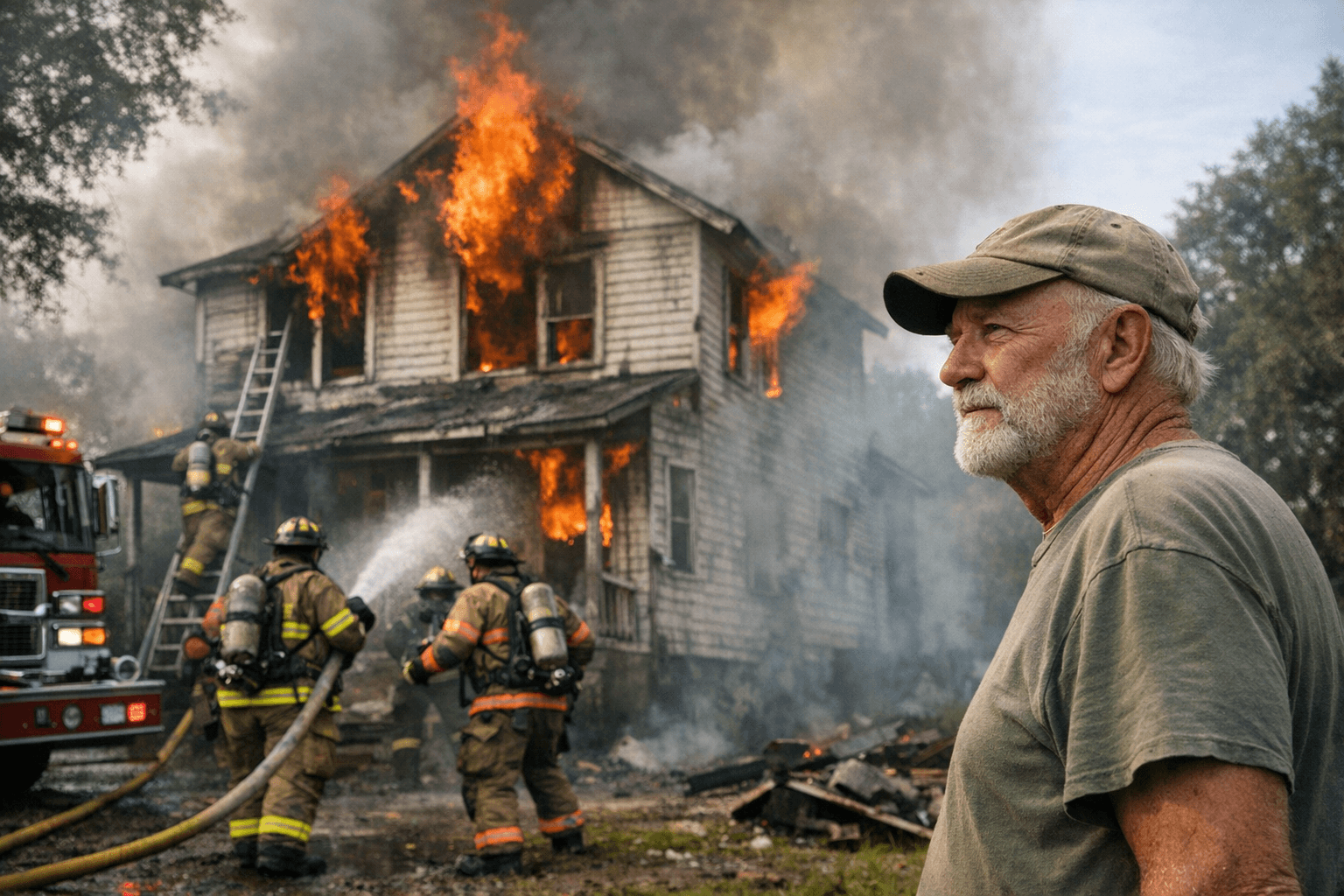
For Oviedo and Seminole County residents, the immediate benefit is improved readiness among first responders. Well-practiced techniques in search and rescue and hose line management can shorten response times and improve firefighter safety on actual calls. The training also offers returning firefighters a venue to refresh procedures and to integrate new equipment or revised protocols without putting occupied structures at risk.
The donation underscores a broader local practice of partnerships between residents and emergency services to enhance public safety through practical support. It also highlights the role of scheduled, realistic training in maintaining operational standards across all shifts, which can be especially important during high-call periods or complex incidents.
Looking ahead, the department’s use of the East Magnolia property demonstrates how targeted community contributions can deliver tangible improvements in preparedness. Residents can expect a department that has had concentrated, realistic practice in critical skills, and the department has acknowledged the role of community cooperation in sustaining that readiness.
Sources:
Know something we missed? Have a correction or additional information?
Submit a Tip