Pabst puts Schlitz on hiatus, Wisconsin brewery plans final batch
Pabst has put Schlitz on hiatus, and Wisconsin Brewing will make one last 80-barrel batch in Verona, closing a 177-year Milwaukee legacy.
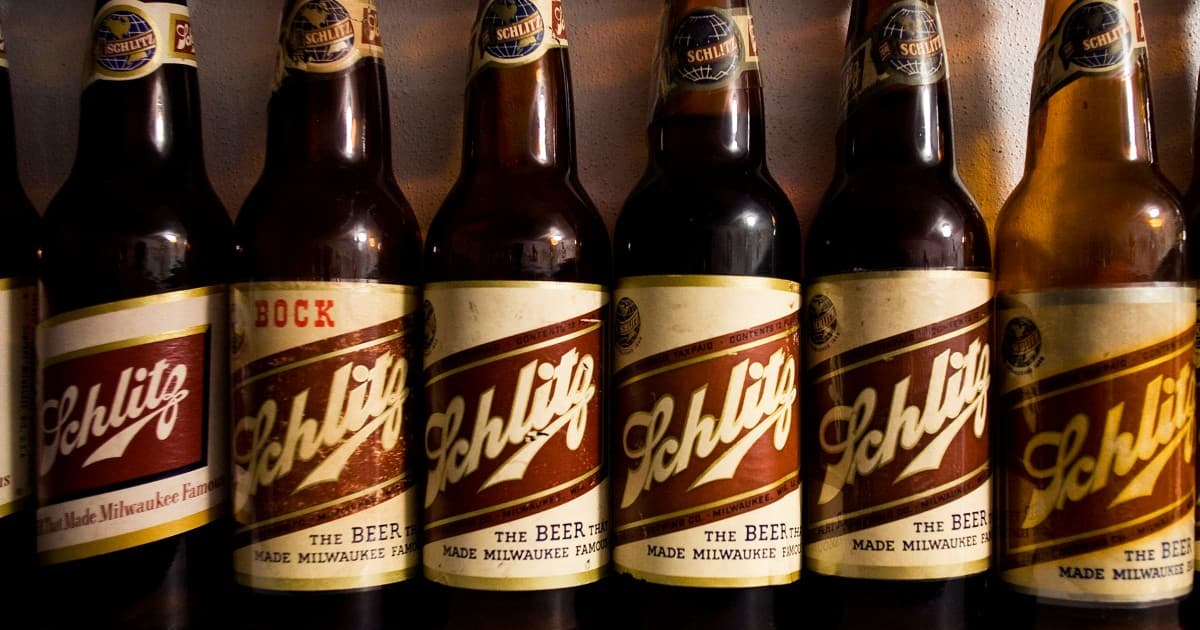
Schlitz was never just another beer brand. It was one of the companies that helped define Milwaukee itself, rising from August Krug’s small tavern brewery in 1849, passing to Joseph Schlitz after Krug’s death, and later adopting the slogan “the beer that made Milwaukee famous” in 1894.
Now that legacy is being reduced to a final batch. Pabst Brewing Co. has confirmed it is discontinuing Schlitz Premium and placing the beer “on hiatus” because of continued increases in storage and shipping costs. Wisconsin Brewing Co. in Verona has been given permission to brew one last 80-barrel batch on Saturday, May 23, using a composite recipe built primarily from Schlitz’s 1948 brewing logs.
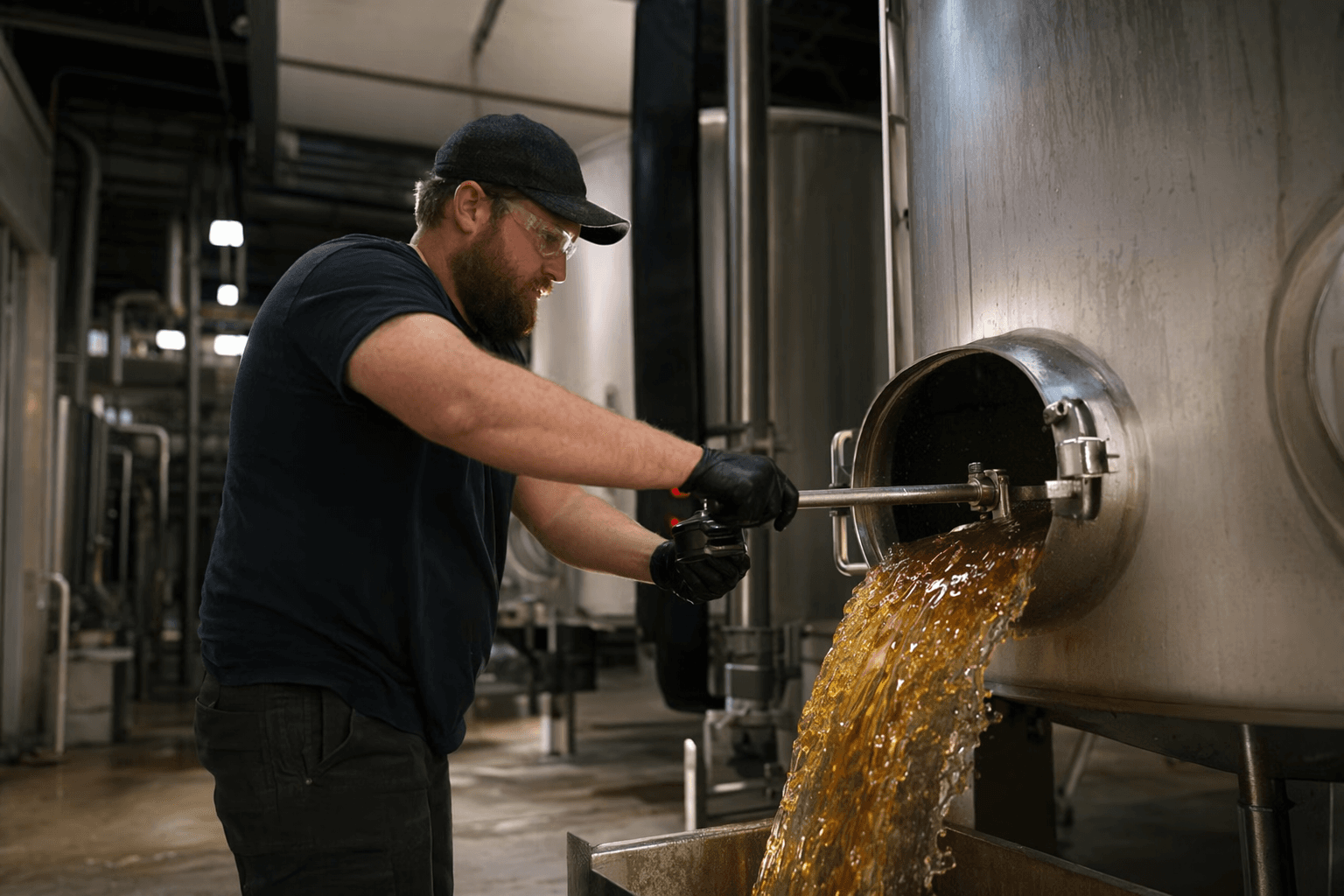
The sendoff will be handled by Wisconsin Brewing brewmaster Kirby Nelson, who said Schlitz deserved to go out “with dignity and respect.” Nelson said he moved to act after learning of the shutdown from Jerry Glunz of Louis Glunz Beer in Chicago, a family that has distributed Schlitz since the late 19th century. Preorders for the final batch are expected to open May 23, and the beer is scheduled to reach drinkers on June 27.
Schlitz’s importance stretched far beyond Wisconsin. The brand gained national attention after the Great Chicago Fire of 1871, when it shipped beer to help a devastated city. By the 1950s, Schlitz had become the biggest brewery in the United States, a status that reflected the power of industrial brewing before consolidation and changing tastes reshaped the market. Budweiser later overtook it, and the 1976 “Schlitz Mistake,” when recipe changes alienated loyal drinkers, became a lasting symbol of how quickly a dominant consumer brand could lose its place.
The end of Schlitz Premium closes another chapter in the long retreat of regional brewery identities that once carried civic pride as well as market share. Schlitz was one of Milwaukee’s industrial giants for much of the 20th century, but the final batch now being assembled in Verona underscores how little room remains for once-dominant local brands in a beer market shaped by scale, logistics and consolidation.
Know something we missed? Have a correction or additional information?
Submit a Tip