UK signs GCC trade deal, cutting tariffs and boosting exports
Tariffs on cereals, cheddar and chocolate are set to fall under the UK’s GCC deal, but rights groups say the export win comes with a steep political cost.
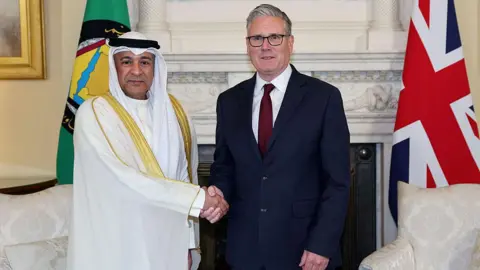
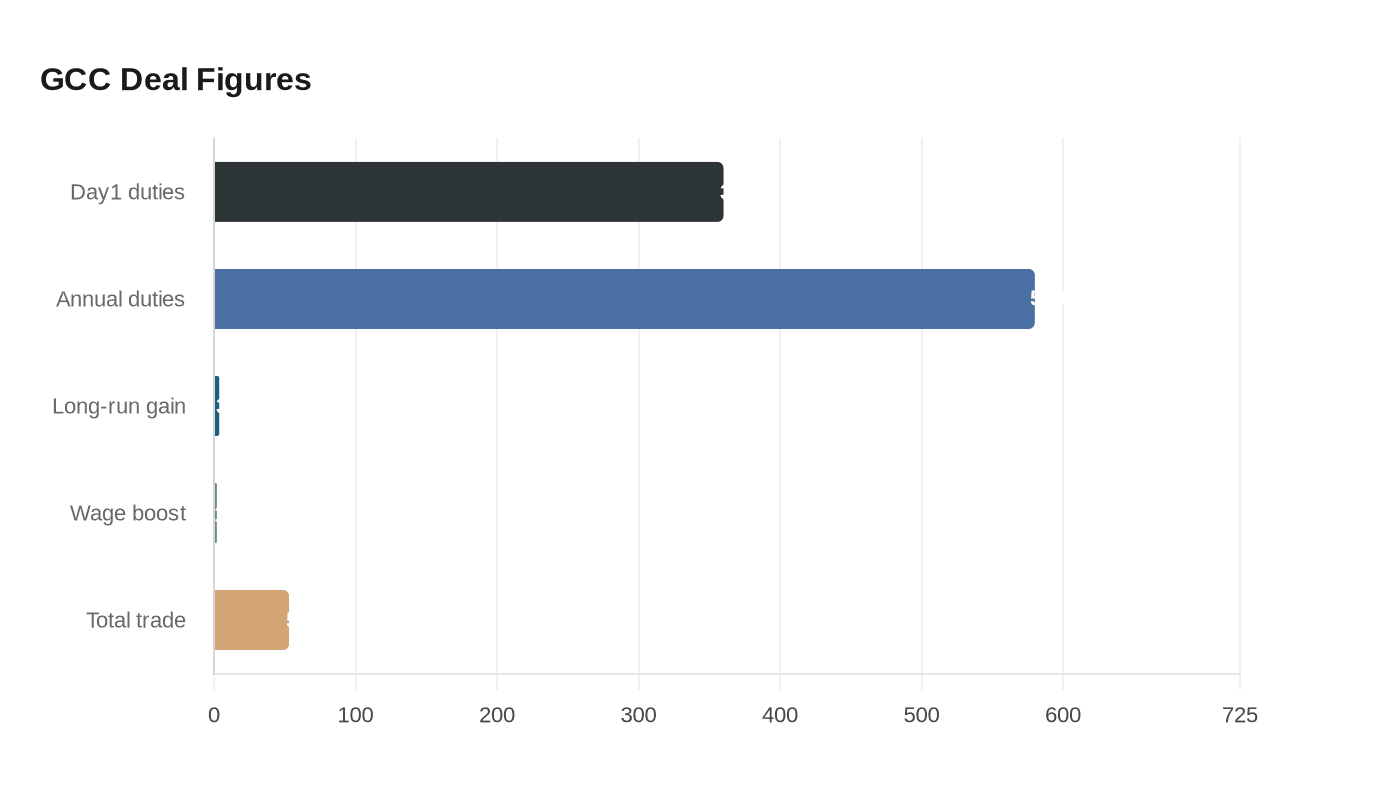
British exporters gained a tariff-cutting opening to the Gulf as the UK concluded a free trade agreement with the Gulf Cooperation Council, the bloc covering Bahrain, Kuwait, Oman, Qatar, Saudi Arabia and the United Arab Emirates. The government said the deal would remove about £360 million in duties on day one and £580 million a year once fully implemented, based on current UK exports, with foods such as cereals, cheddar cheese, chocolate and butter expected to become tariff-free.
Ministers framed the agreement as a major economic prize. The UK said the pact could add £3.7 billion a year to the economy in the long run, lift real wages by £1.9 billion annually and increase trade between the UK and the GCC by almost 20%. Total trade between the two sides was worth £53 billion in 2025, making the bloc the UK’s 10th-largest trading partner. The government also said the deal was the first by any G7 country with the GCC, while the GCC said it was its first free trade agreement with a G7 nation.
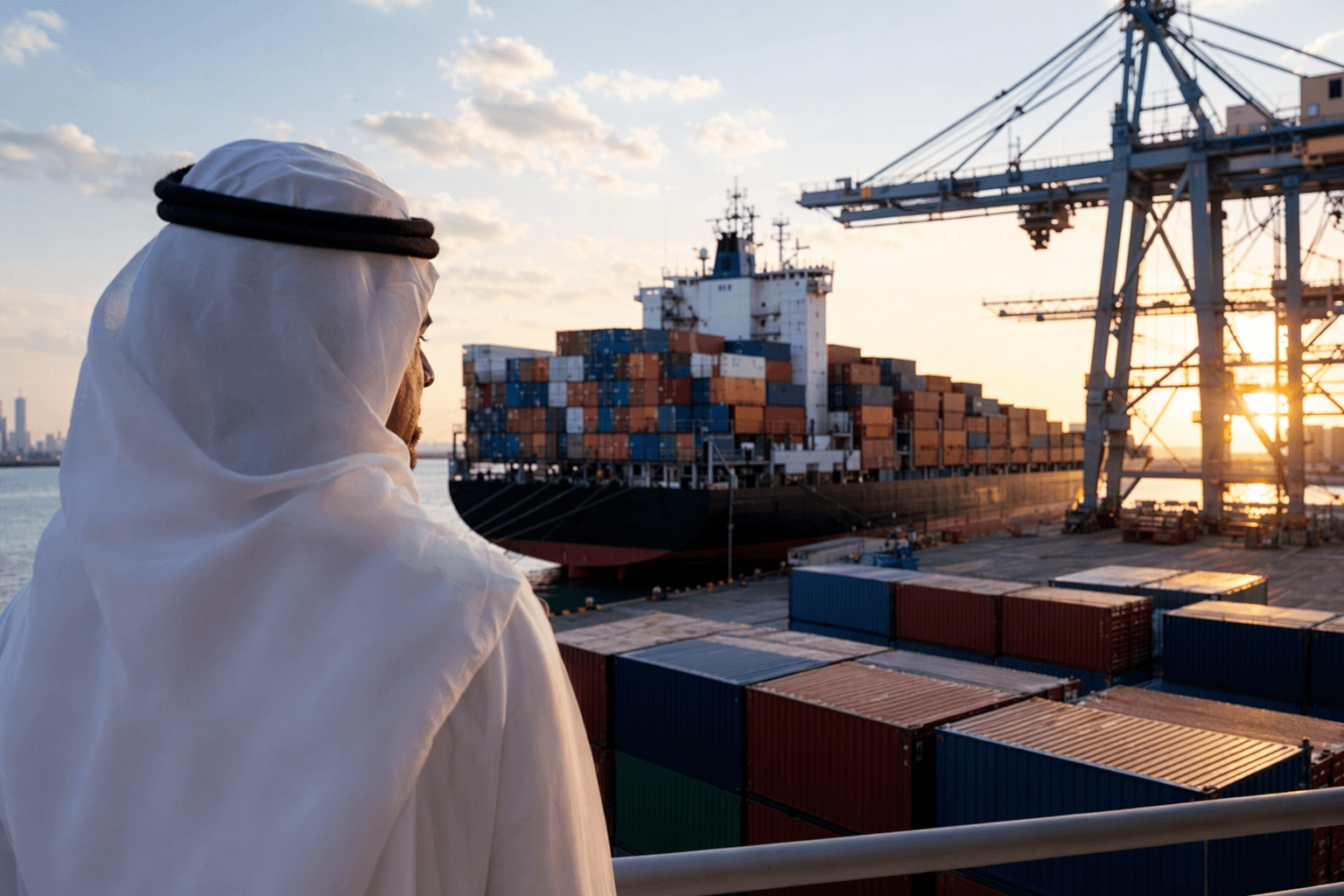
The agreement was signed in London as negotiations were wrapped up by Sir Chris Bryant, the UK minister of state for trade, and Jasem Mohamed Albudaiwi, the GCC secretary general. The government said the pact included first-of-its-kind GCC commitments on the free flow of data and would make it easier for British companies to do business in the Gulf, especially in financial and professional services. Prime Minister Keir Starmer called it a “huge win” for British business and said it would create more opportunities and higher wages.
But the political cost of that market access was immediate. The Trade Justice Movement said public backing for GCC trade talks was weak, citing polling that found only 21% of the UK public supported them. Human Rights Watch and other campaigners warned that deeper commercial ties risked reinforcing labour exploitation, especially for migrant workers in Gulf states, while also normalising restrictions on political participation, free expression and same-sex relationships, as well as the death penalty. Critics said the government should have secured a specific human-rights clause, and Reuters reported that the agreement did not change environmental protections or human-rights provisions. The result is a trade deal built on lower barriers and higher export hopes, but one that leaves Britain closer to monarchies whose record on rights and labour remains under sustained challenge.
Know something we missed? Have a correction or additional information?
Submit a Tip