Pace Gallery cuts roster and staff as art market cools
Pace Gallery said it would cut 50 artists and 50 staffers, a sharp sign that even blue-chip dealers are shrinking as the art market resets.
Pace Gallery said Thursday it would reduce its roster by 50 artists and cut 50 staff members, a stark retrenchment for one of the best-known names in contemporary art. The move underscored how deeply the market slowdown has reached, hitting a gallery that has represented artists and estates since 1960 and built its brand on scale, global reach and high-end sales.
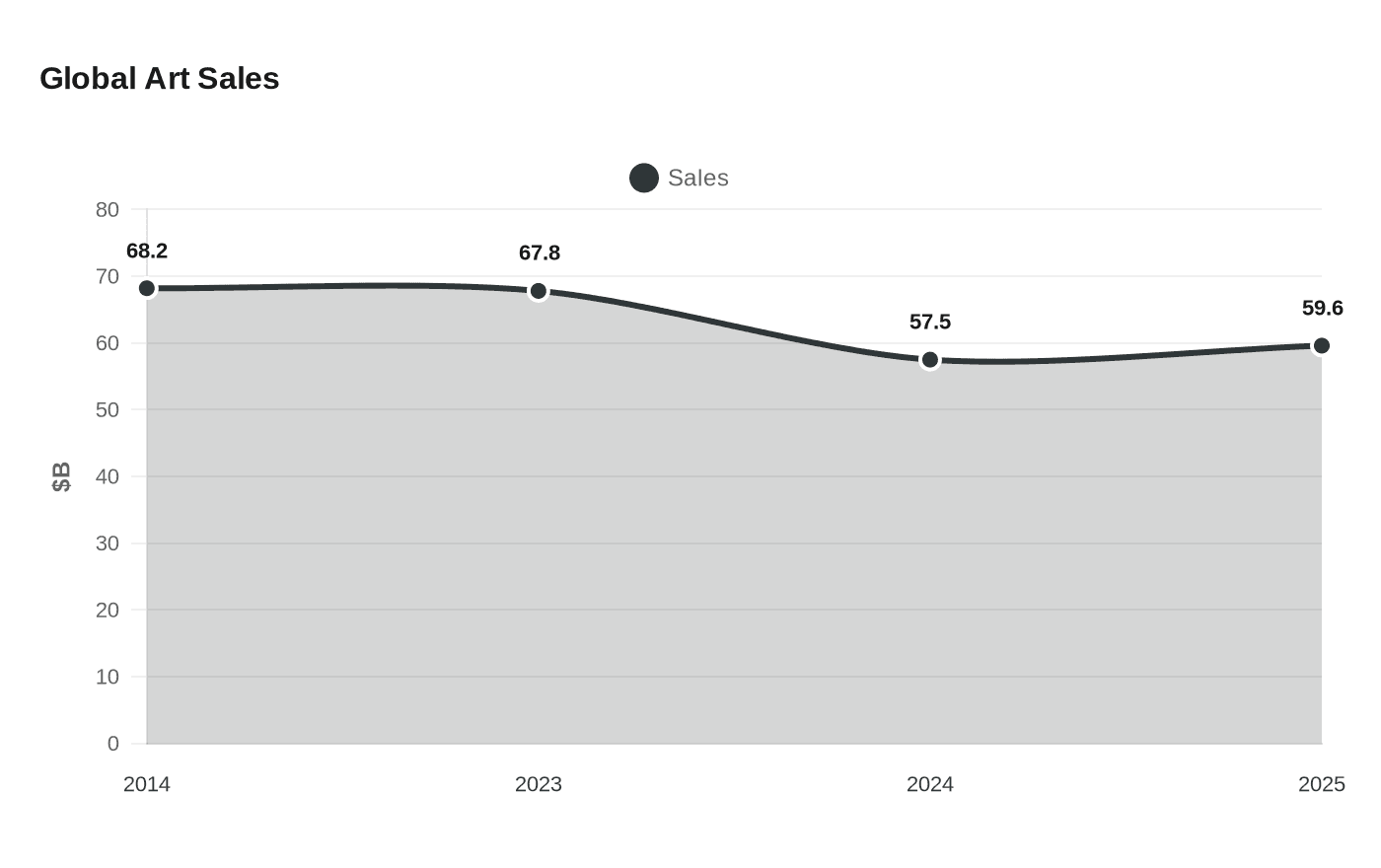
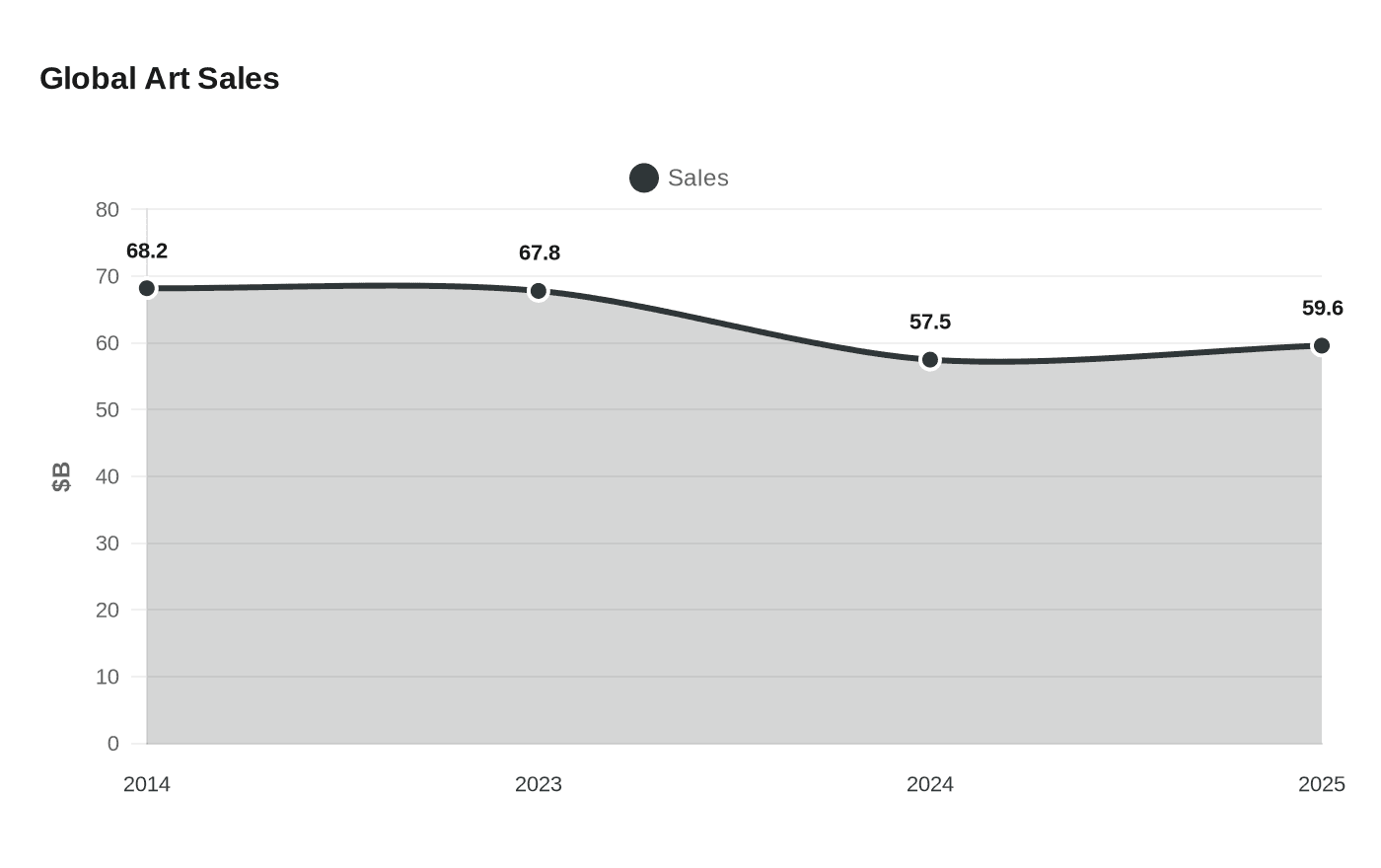
The cutbacks come after two difficult years for the trade. The Art Basel and UBS Global Art Market Report 2025 estimated that global art sales fell 12% in 2024 to $57.5 billion, with dealer sales down 6% and public auction sales down 25%. Transaction volume still rose 3% to 40.5 million, a sign that the market was not disappearing so much as trading at lower values. The United States remained the dominant market, accounting for 43% of global sales value. A March 2026 report by Arts Economics said sales recovered modestly in 2025, rising 4% to an estimated $59.6 billion, but that figure still sat below 2023’s $67.8 billion and the 2014 peak of $68.2 billion. Operating costs also rose about 5% on average, tightening margins across the trade.
That combination helps explain why even the strongest galleries are trimming. The rebound in 2025 was driven mainly by high-end transactions, while mid-tier dealers remained under pressure, a split that has left the market dependent on a narrow band of wealthy buyers and made speculative pricing harder to sustain. For blue-chip galleries, shrinking rosters can mean fewer guaranteed placements, less support for artists who once expected international promotion, and a more selective approach to representation.
Pace had already been adjusting its footprint before this latest cut. In October 2025, it closed its Hong Kong exhibition space at H Queen’s after choosing not to renew its lease, while keeping offices in Hong Kong and Beijing and saying it would continue to support artists and clients in the region. The Hong Kong retreat reflected a broader shift in the city’s art scene as demand from mainland Chinese collectors softened and competition from Seoul, Singapore and Tokyo intensified.
The gallery’s latest contraction also fits a longer pattern. Pace furloughed staff in 2020 and later made layoffs and restructuring moves during the pandemic shock, even as it pushed into new programming through Pace Live, which it launched in 2019 and says has staged more than 100 live events. The contrast is telling: the top end of the art market is still investing in visibility and partnerships, but it is doing so with a leaner roster and fewer employees. That reset is likely to ripple beyond Pace, reaching mid-career artists, gallery workers and smaller institutions that depend on a healthy blue-chip market to keep the wider ecosystem moving.
This article was produced by Prism’s automated news system from verified source data, official records, and press releases, then run through automated quality and moderation checks before publishing. The system is built and supervised by the people who set the standards it runs under. Read our full AI policy.
Did this article answer your question?