Padres agree to record $3.9 billion sale to Jones-Feliciano group
The Padres agreed to a $3.9 billion control sale, a record for an MLB franchise, as the Seidler family hands the team to the Jones-Feliciano group.

Control of the San Diego Padres is changing hands at an MLB-record valuation of $3.9 billion, a sale that could reshape not only the club’s business direction but also the civic identity tied to one of baseball’s most visible West Coast franchises. The Seidler family announced Saturday that it had agreed to transfer control of the team to an investor group led by Kwanza Jones and José E. Feliciano, with Feliciano designated as the controlling owner.
The deal is still subject to Major League Baseball approval and customary closing conditions. MLB owners must approve the transaction by a 75% vote, and the next owners meetings are scheduled for June. Until then, the Padres remain in transition, moving out of a long period of uncertainty that began after Peter Seidler’s death on November 14, 2023, in San Diego at age 63.
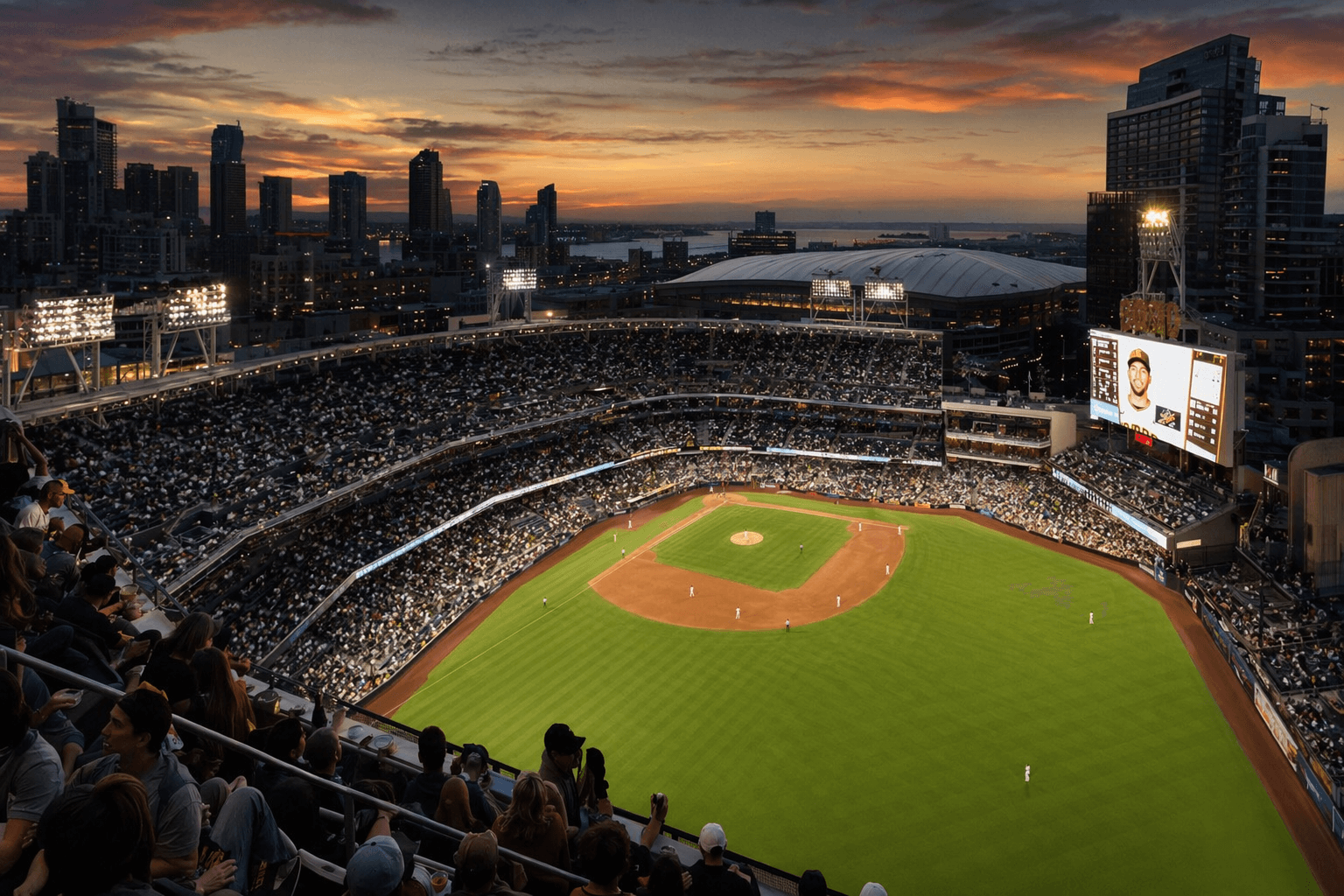
The price tag alone signals the scale of the transaction. At $3.9 billion, the Padres sale would top the previous MLB record of $2.4 billion, set when Steve Cohen bought the New York Mets in 2020. For baseball, it is another sign that elite franchises have become trophy assets as much as sports clubs, with ownership now measured in the same breath as private equity, media value and regional influence.

Feliciano brings deep Wall Street credentials to the franchise. He co-founded Clearlake Capital in 2006, and Forbes says the firm has more than $90 billion in assets under management. Jones and Feliciano have also built a public identity around philanthropy through the Kwanza Jones & José E. Feliciano Initiative, which says it has committed more than $250 million to education, entrepreneurship, equity and empowerment.
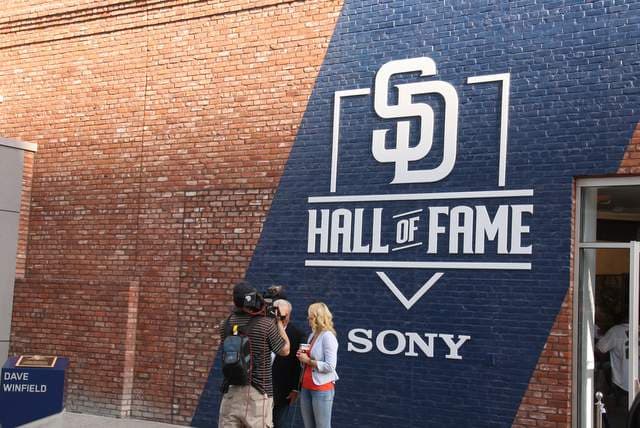
The Padres described the new group as led by investors and philanthropic leaders, and the sale carries special weight in San Diego because the team has been bound to the Seidler family era and the uncertainty that followed Peter Seidler’s death. A control sale of this size is more than a change in ownership papers. It is a decision about who gets to define the city’s team, how aggressively it spends, and how closely it stays tied to San Diego’s civic and economic ambitions as the franchise enters its next chapter.
This article was produced by Prism’s automated news system from verified source data, official records, and press releases, then run through automated quality and moderation checks before publishing. The system is built and supervised by the people who set the standards it runs under. Read our full AI policy.
Did this article answer your question?
.jpg&w=1920&q=75)