Pakistan launches cross-border strikes into Afghanistan, declares 'open war'
Pakistan struck sites on Feb. 27 in Kabul outskirts and Kandahar and Paktia provinces; Islamabad called it 'open war', sharply raising regional instability.

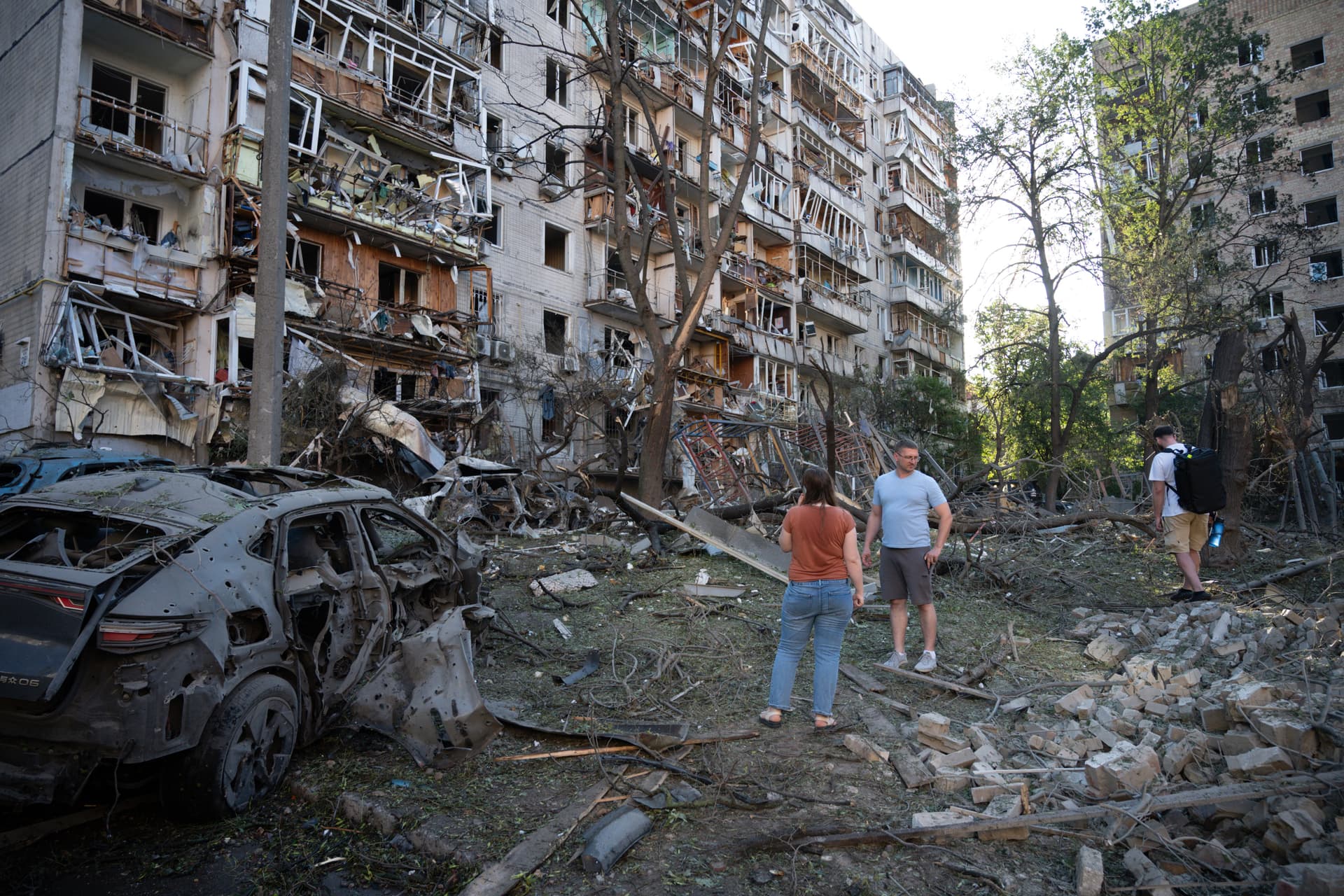
Pakistan’s military struck targets inside Afghanistan on Feb. 27, hitting the outskirts of Kabul and sites in Kandahar and Paktia provinces, a dramatic escalation that Pakistan’s defence minister described as “open war” with Afghanistan’s Taliban authorities. The attacks represented one of the most overt cross-border operations between the neighbors since the Taliban returned to power in Kabul in 2021 and immediately heightened fears of a wider, sustained confrontation along a porous frontier.
The strikes followed a period of mounting bilateral tensions along the nearly 2,600-kilometer border where militant groups, smuggling networks and tribal disputes have long complicated relations. Pakistan framed the operation as a direct security response, while Afghan officials have yet to offer a formal account of damage or casualties. The use of force against population centers near the Afghan capital signaled a willingness by Islamabad to strike deeper than the traditional frontier zones, raising alarm in Kabul and among regional capitals.
International law scholars and diplomats cautioned that cross-border strikes into another state pose clear risks under the UN Charter, which bars the use of force except in self-defense or when authorized by the Security Council. Even when states cite self-defense, the legality hinges on whether the actions are necessary and proportionate. Those legal contours will now shape scrutiny of Islamabad’s public rationale and any evidence it provides linking the strikes to imminent threats emanating from Afghan territory.
Beyond legal questions, the immediate humanitarian and security consequences are evident. Attacks on the outskirts of Kabul put civilian populations at risk and threaten to displace families already coping with economic strain and decades of conflict. Kandahar and Paktia, provinces that have seen repeated violence, could see intensification of combat that would complicate aid delivery and further fragment local governance. Trade and transit along key border crossings are likely to be disrupted, with knock-on effects for commerce and energy links that cross the frontier.

Regional governments face a complex diplomatic challenge. Neighboring states and external powers that have sought stability in Afghanistan may be pressed to calibrate responses that deter further escalation without being drawn into direct confrontation. Washington, Beijing, Moscow and Tehran each have strategic stakes in Afghanistan’s stability, and all will watch closely to gauge whether Islamabad intends the operation as a limited punitive action or the start of a prolonged campaign.
For ordinary Afghans and Pakistanis the stakes are immediate: renewed strikes can close markets, interrupt schooling and spur new waves of displacement across a border long traversed for family, work and pilgrimage. Historically fraught local ties risk being overshadowed by national security imperatives, making reconciliation and cross-border cooperation more difficult.
Diplomats and humanitarian agencies will almost certainly call for urgent talks to prevent spillover and to establish channels for assessing harm and protecting civilians. Whether Islamabad and Kabul open direct communications, or third-party mediators step in, will determine whether the confrontation can be contained or becomes a protracted trench in an already volatile region.
This article was produced by Prism’s automated news system from verified source data, official records, and press releases, then run through automated quality and moderation checks before publishing. The system is built and supervised by the people who set the standards it runs under. Read our full AI policy.
Did this article answer your question?