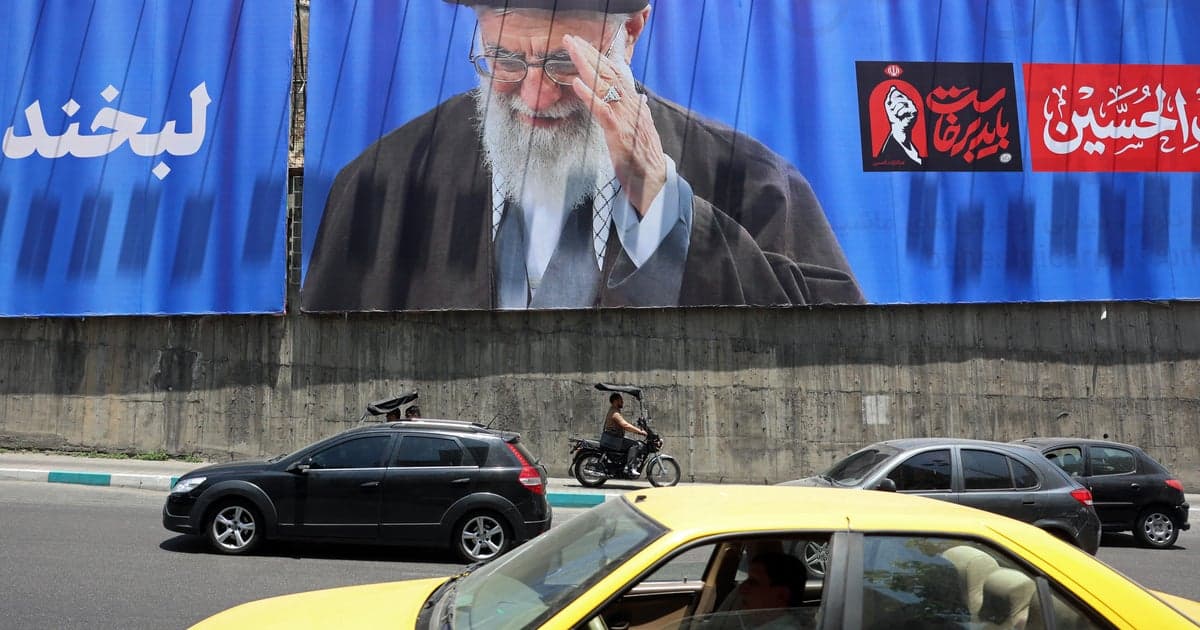
Pakistan mediates U.S.-Iran talks as ceasefire nears permanent peace deal
Pakistan is shuttling messages between Tehran and Washington as a one-page deal takes shape, but Hormuz, sanctions and uranium limits still block a lasting ceasefire.
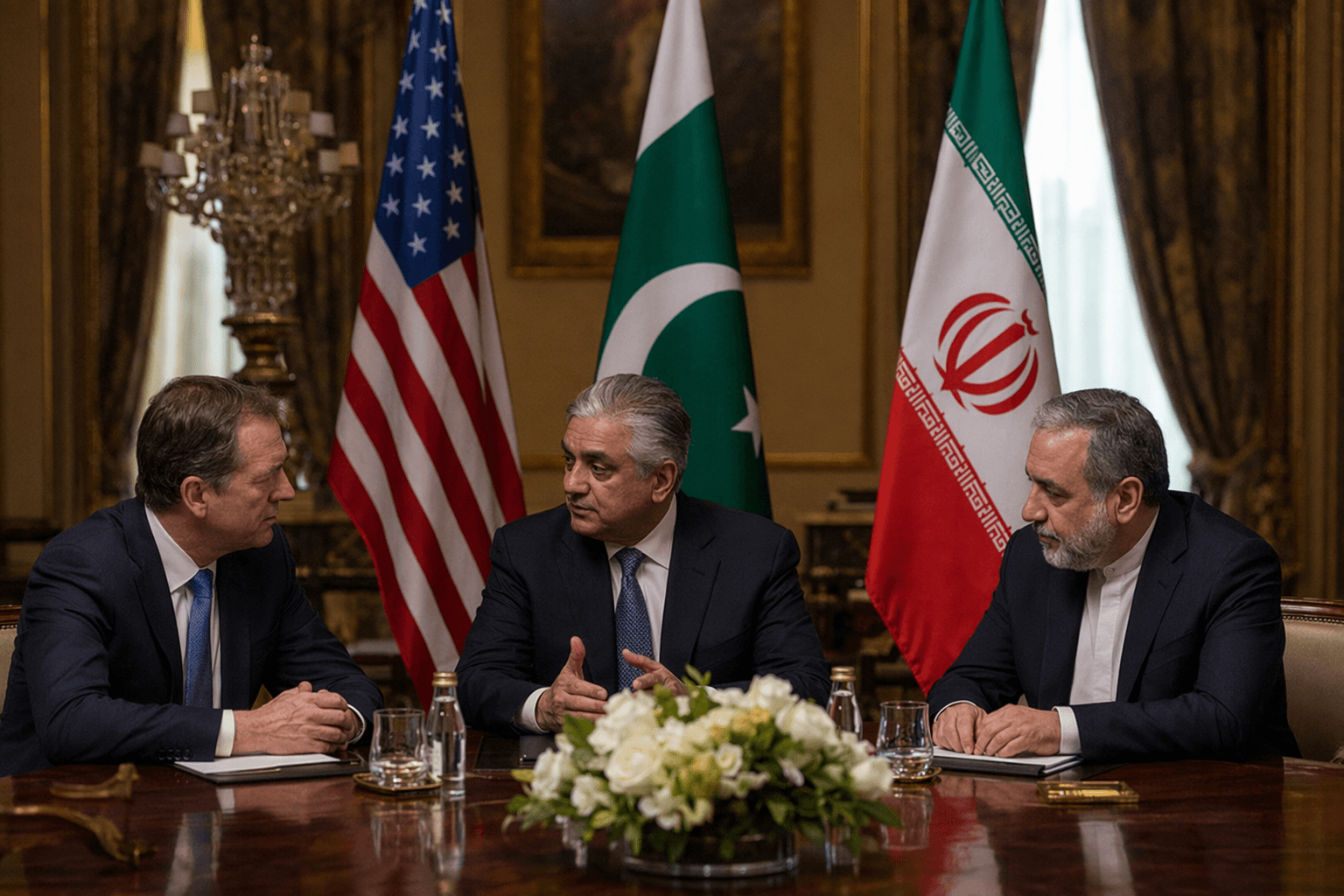
Pakistan is trying to turn a fragile ceasefire into something broader and far harder to secure. Islamabad said it is “endeavouring to convert this ceasefire into a permanent end to this war” as it carried messages between Tehran and Washington, while Donald Trump said the conflict would be “over quickly” and insisted the talks had been “very good.”
The bargaining now centers on a reported one-page memorandum of understanding that would formally end the fighting. Mediation sources described the two sides as close to a framework in which Iran would pledge not to build a nuclear weapon and would halt uranium enrichment for at least 12 years. In return, the United States would lift sanctions and release billions of dollars in frozen Iranian assets. Under the same reported outline, both sides would reopen the Strait of Hormuz within 30 days of signing.
Iran’s own proposal has pressed for the war to end first and the nuclear issue to be dealt with later. Iranian state-linked media said the 14-point plan, framed as a rebuttal to a U.S. nine-point proposal, called for sanctions relief, an end to the U.S. naval blockade, and the withdrawal of U.S. forces from the region. It also reportedly sought a 30-day resolution timeline and tied any discussion of nuclear restrictions to the promise of sanctions relief.
Trump has publicly talked up the pace of the diplomacy while keeping military pressure in view. He said Iran wanted to “make a deal badly” and warned that if negotiations failed, the United States could resume bombing Iran. He also said he was reviewing Tehran’s proposal, though he was not satisfied with it. Iranian officials, including foreign ministry spokesman Esmaeil Baghaei, said the texts were still under study.
The stakes extend far beyond the battlefield. The Strait of Hormuz carries about one-fifth of the world’s oil and gas supply, and Iran’s blockade has already sent shock waves through energy markets. That gives the talks a global economic consequence that goes well beyond the U.S.-Iran nuclear file or the immediate ceasefire line.

The diplomacy is unfolding under pressure in Washington as well. Trump told Congress that the ceasefire had “terminated” hostilities, a move linked to the War Powers Resolution’s 60-day clock for military action. That deadline increases the pressure on the White House to either settle the conflict politically or seek congressional authorization for continued force. The result is a race between diplomacy and escalation, with Pakistan carrying the messages and both capitals still testing whether a temporary halt can become a durable settlement before the fighting resumes.
This article was produced by Prism’s automated news system from verified source data, official records, and press releases, then run through automated quality and moderation checks before publishing. The system is built and supervised by the people who set the standards it runs under. Read our full AI policy.
Did this article answer your question?