Pakistan Positions Itself as Peace Broker Between Iran and the West
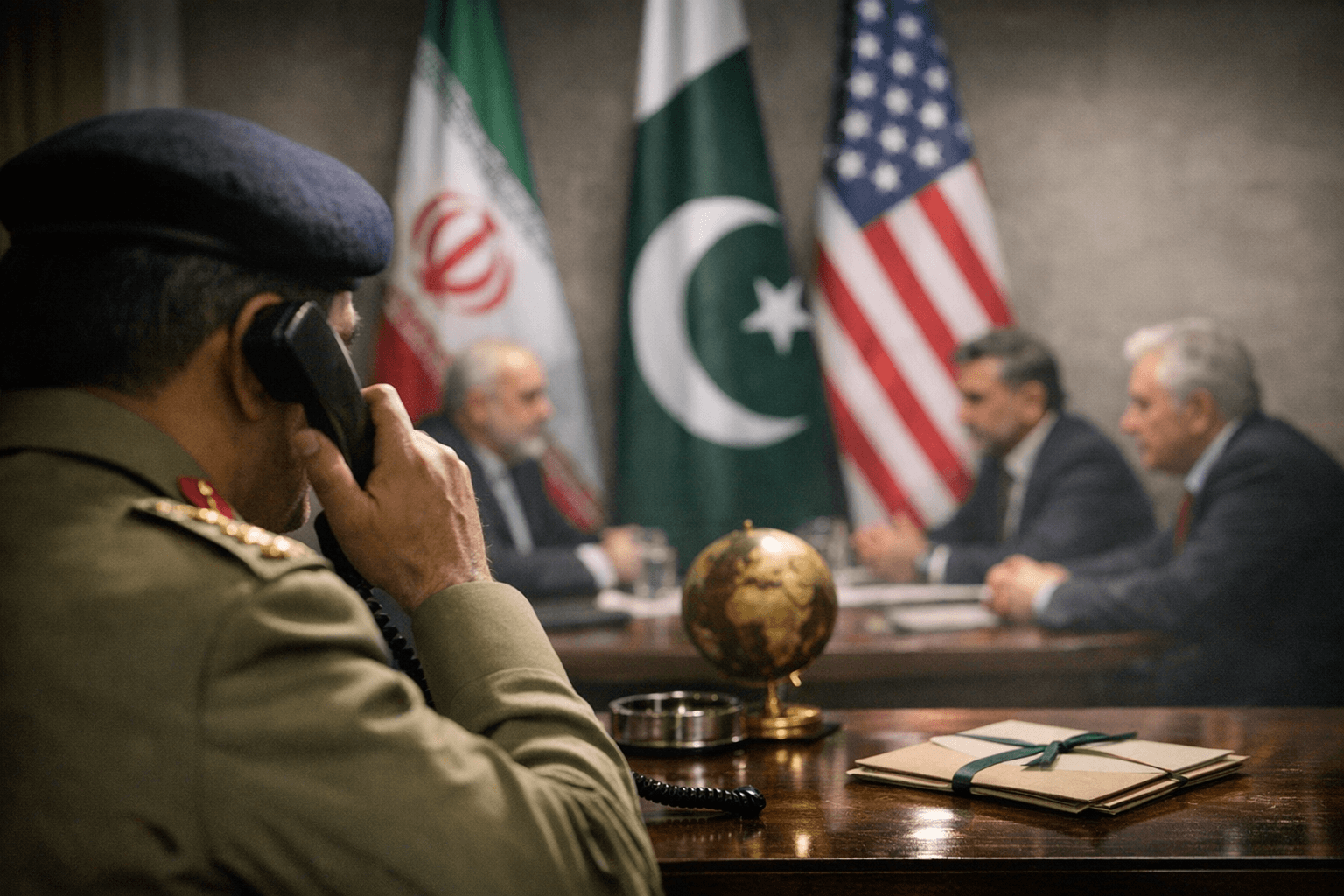
Pakistan's army chief called Trump while Islamabad passed six secret messages between Washington and Tehran, eyeing a peace role not seen since the 1972 Nixon-China opening.
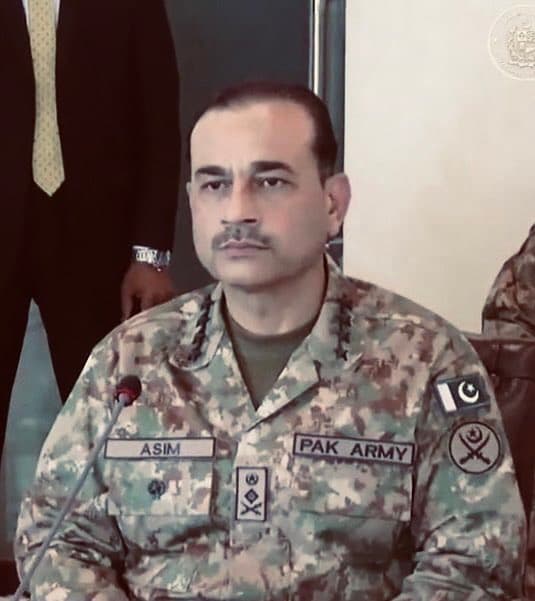
When Pakistan's army chief, Field Marshal Syed Asim Munir, flew to Davos in January to meet Donald Trump, he carried more than pleasantries. Within weeks, the White House confirmed the two men had spoken by telephone to discuss an active conflict between the United States and Iran. That call, combined with a surge of shuttle diplomacy involving at least half a dozen messages passed between Washington and Tehran by Pakistani officials, positioned Islamabad at the center of what could become the most consequential peace effort Pakistan has attempted since its secret mediation helped open the door to Richard Nixon's historic visit to China in 1972.
Prime Minister Shehbaz Sharif confirmed the country's offer to host direct negotiations and spoke by phone with Iranian President Masoud Pezeshkian, where the two leaders "agreed on the urgent need for de-escalation, dialogue and diplomacy," according to an official read-out. In the past month alone, Sharif and Pakistan's foreign minister held over 30 conversations with counterparts across the Middle East, including half a dozen with Iranian officials, two of which took place on Monday, the day after the White House confirmed the Munir-Trump telephone call.
The volume of contacts reflected a calculated strategy: Pakistan leveraging its unique ties with both Tehran and Washington to carve out a mediator's role in a conflict where few countries have standing on both sides. Sharif stressed the need for unity in the Muslim world, calling cohesion within the Ummah "more critical than ever" as the crisis unfolded, and assured Tehran that Islamabad would "continue to play a constructive role in facilitating peace and stability in the region." That positioning carried institutional weight: Islamabad formally represents Tehran's diplomatic interests in Washington, a distinction few other potential brokers can claim.
Islamabad emerged as a candidate to host face-to-face negotiations, with Pakistani sources saying officials from both countries could meet there "as soon as the end of this week." The proposed American delegation potentially included White House special envoy Steve Witkoff, Jared Kushner, and U.S. Vice President JD Vance, whom Pakistani sources described as the probable chief negotiator. The Iranian side presented a more complicated picture. Mohammad Bagher Ghalibaf, the parliamentary speaker identified as the most likely Iranian delegate, dismissed the entire initiative as "fake news." Iranian sources separately said they would refuse to sit down with either Witkoff or Kushner.
Tehran's public posture remained one of flat denial. Iranian officials rejected any suggestion of direct or indirect negotiations with Washington, even as they acknowledged that "certain friendly states" had been conveying messages from the United States, an implicit confirmation of the back-channel role Pakistan, Oman, Türkiye, and Egypt had been playing since the conflict began.
Pakistan's motivations ran deeper than diplomatic prestige. The country holds a mutual defense pact with Saudi Arabia, and with Iran targeting Saudi Arabia during the fighting, Islamabad faced real pressure to avoid being dragged into a war it had no interest in joining. Pakistan is also home to the second-largest population of Shia Muslims in the world after Iran, giving the conflict a sharp domestic dimension that made de-escalation as much a necessity as a foreign policy preference.
The relationship-building with Washington was extensive and openly transactional. Munir, whom Trump publicly called his "favourite field marshal," had visited Washington twice before the conflict began and joined Trump's Board of Peace shortly after his Davos meeting with the president. Pakistan also struck a deal with a crypto business linked to Trump's family to use its USD1 stablecoin for cross-border payments. Witkoff had separately helped broker an agreement to redevelop New York's Roosevelt Hotel, a property owned by Pakistan's national airline, establishing a direct commercial link to one of the figures potentially central to any peace delegation.
Whether those ties would translate into diplomatic success remained uncertain. Trump's unpredictability, Pakistan's lack of formal ties with Israel, and Iran's deep mistrust of American negotiators all stood as potential barriers. But the stakes, if Islamabad succeeded, were equally clear: a return to the kind of global diplomatic relevance Pakistan last commanded when it quietly helped change the world more than fifty years ago.
This article was produced by Prism’s automated news system from verified source data, official records, and press releases, then run through automated quality and moderation checks before publishing. The system is built and supervised by the people who set the standards it runs under. Read our full AI policy.
Did this article answer your question?


