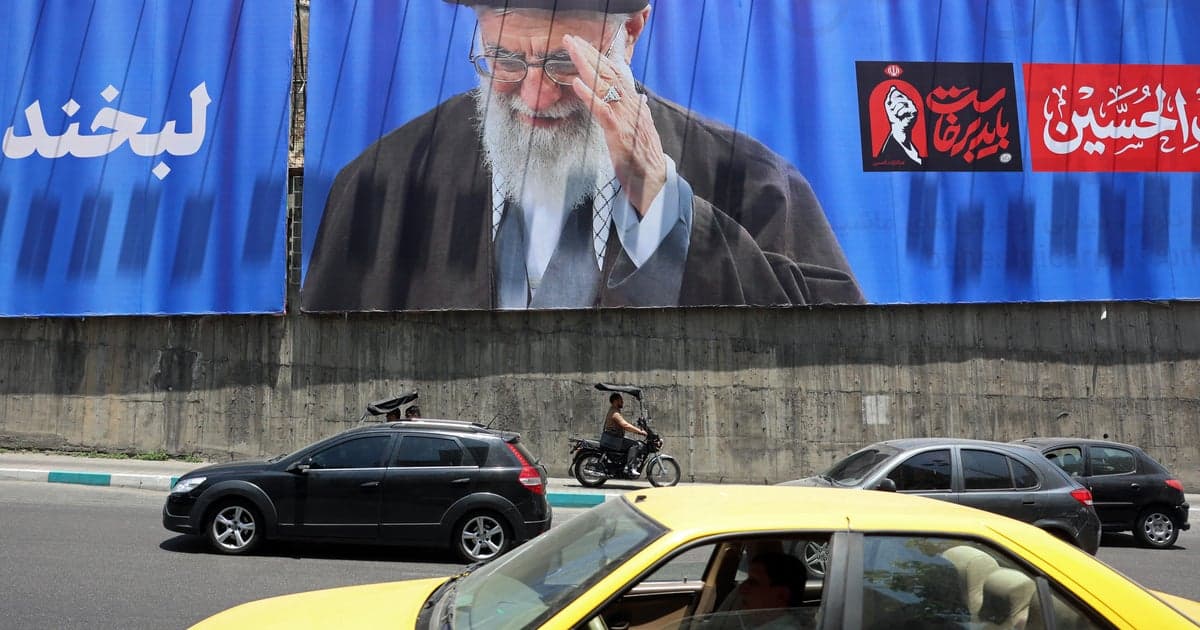
Pakistan says U.S.-Iran peace deal could be finalized within 24 hours
Pakistan said Washington and Tehran were down to a final text, but uranium, Hormuz control and enforcement still threatened to unravel the deal in the last hours.

Pakistan said the United States and Iran were close enough to a peace accord to prepare for an electronic signing, but the most dangerous issues were still hanging over the talks: who enforces the deal, when nuclear steps begin, and whether Tehran can live with limits on uranium enrichment and control of the Strait of Hormuz. Prime Minister Shehbaz Sharif said the two sides had reached a “final, agreed upon text” and that finalization was likely within 24 hours, followed by technical-level talks next week.
Iranian Foreign Minister Abbas Araghchi said a deal “has never been closer,” while a senior U.S. administration official said the agreement could be signed in the next few days but Washington was not 100% certain it would be consummated. President Donald Trump said the United States had made a settlement subject to finalization of documents, a reminder that even a nearly finished bargain can still fall apart in the final stretch.
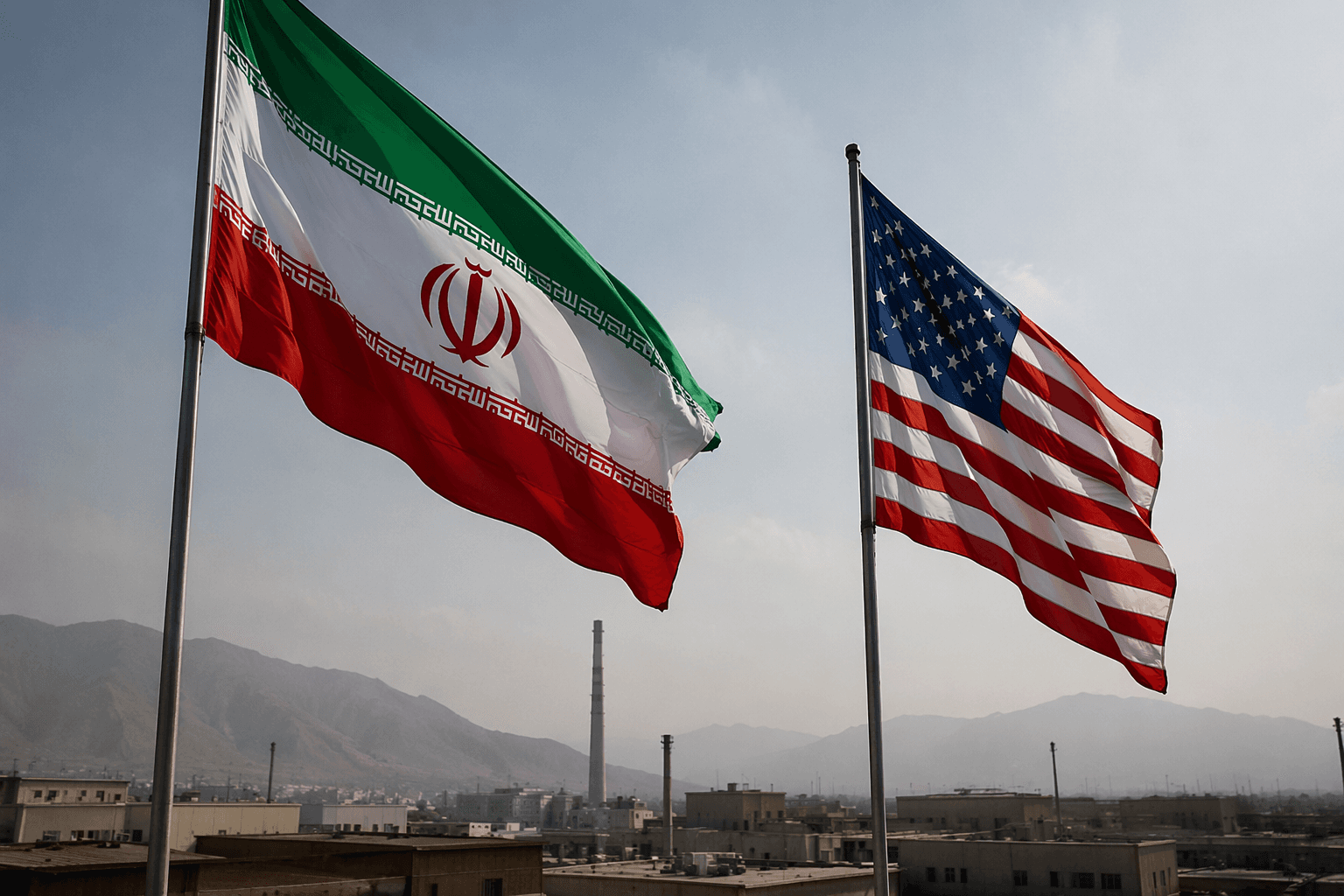
The negotiations have unfolded under pressure from more than three months of war that followed an April 8 truce, with the Strait of Hormuz at the center of the dispute. Iran has blockaded the waterway, insisting vessels obtain permission from its armed forces before transiting, while the U.S. military has blocked Iranian ports. On Saturday, U.S. Central Command said Iran launched multiple drones at commercial ships and U.S. forces downed them, underscoring how quickly the situation could deteriorate even as diplomats claimed momentum.
The hardest question is sequencing. Iranian officials said nuclear details would follow an initial agreement, with terms on Iran’s nuclear program to be finalized over the next 60 days and that period possibly extended. A senior U.S. official said the emerging agreement would begin the process of destroying or removing Tehran’s highly enriched uranium and could include sanctions relief and unfrozen assets if Iran complied. That leaves both sides vulnerable to domestic backlash if they are seen as moving first and getting little in return.
Pakistan has become the central intermediary. Its army chief, Asim Munir, recently visited Tehran, a move viewed as a sign of meaningful diplomatic progress, and Pakistani and Iranian officials said momentum had improved even as Iranian officials warned that deep and significant disagreements remained. Tehran has insisted on its right to enrich uranium and maintain control over the Strait of Hormuz, positions that sit uneasily against Washington’s red lines and make the final text only one part of the test.
For all the public optimism, the remaining hours were about enforcement, sequencing and credibility. If the deal survived those hurdles, the next battle would come in implementation, where sanctions relief, uranium removal and the future of the Strait of Hormuz could still determine whether diplomacy held or collapsed.
This article was produced by Prism’s automated news system from verified source data, official records, and press releases, then run through automated quality and moderation checks before publishing. The system is built and supervised by the people who set the standards it runs under. Read our full AI policy.
Did this article answer your question?