Pakistan Shi'ites return home after UAE deportations raise alarm
More than 100 Shi'ites returned to Chakwal with only the clothes they wore, after UAE deportations stripped away jobs, savings and even luggage.
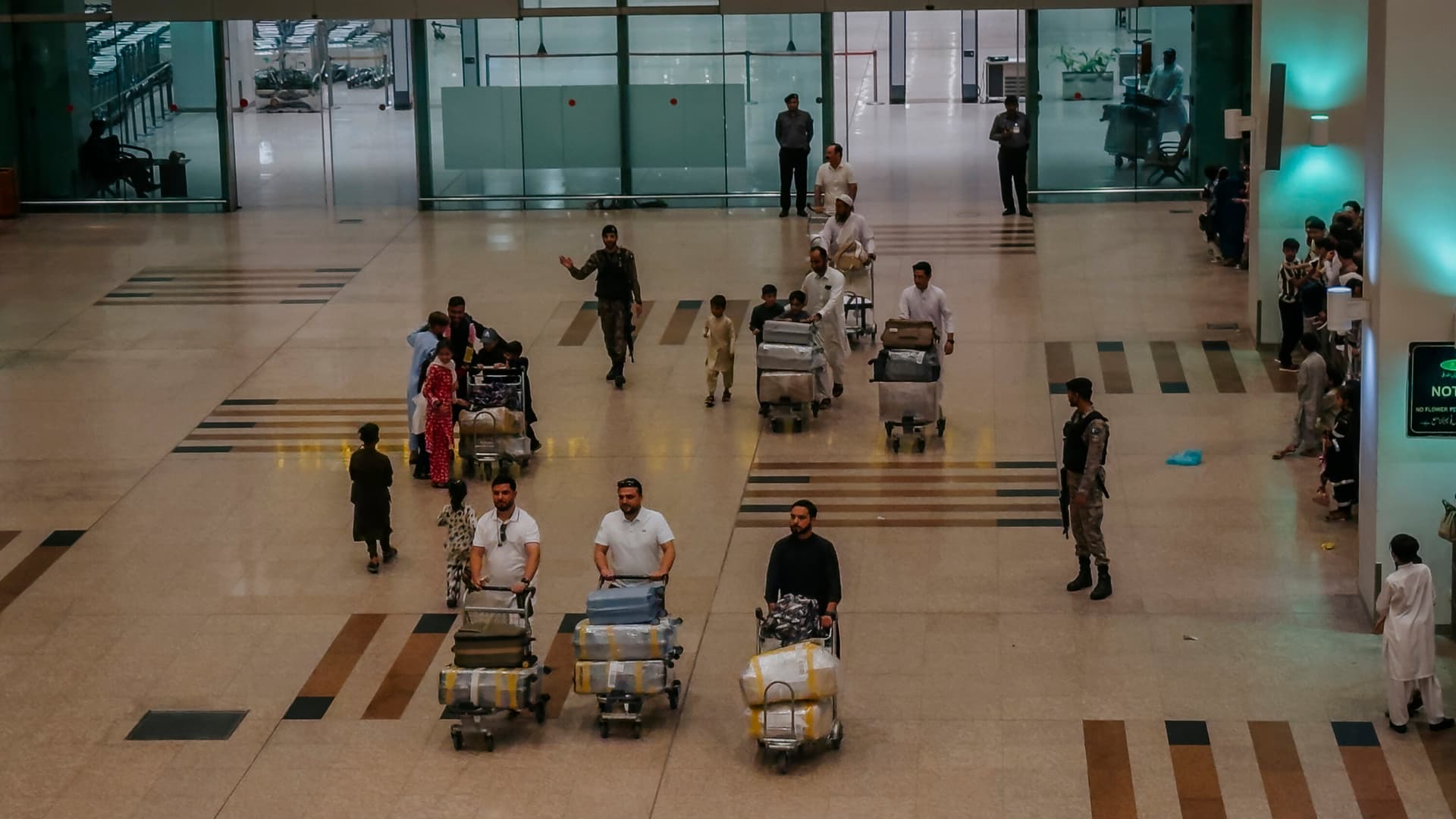
More than 100 Pakistani Shi'ites have arrived back in villages across Chakwal district with little more than the clothes they were wearing, after deportations from the United Arab Emirates cut them off from jobs, luggage and savings built up over years of work abroad. For families who depended on Gulf wages, the removals have turned a private loss into a broader warning about how quickly migrant labor can be erased.
Records of immigration documents, visa screenshots and flight details for 103 Pakistanis who said they were deported because they were Shi'ites show how abruptly the removals unfolded. Twenty-four of those men described leaving the UAE without being able to recover belongings or financial assets before being put on flights home. Photos taken in Chakwal on May 5 showed deportees back in Pakistan, facing the practical problem of rebuilding from nothing after years spent earning abroad.
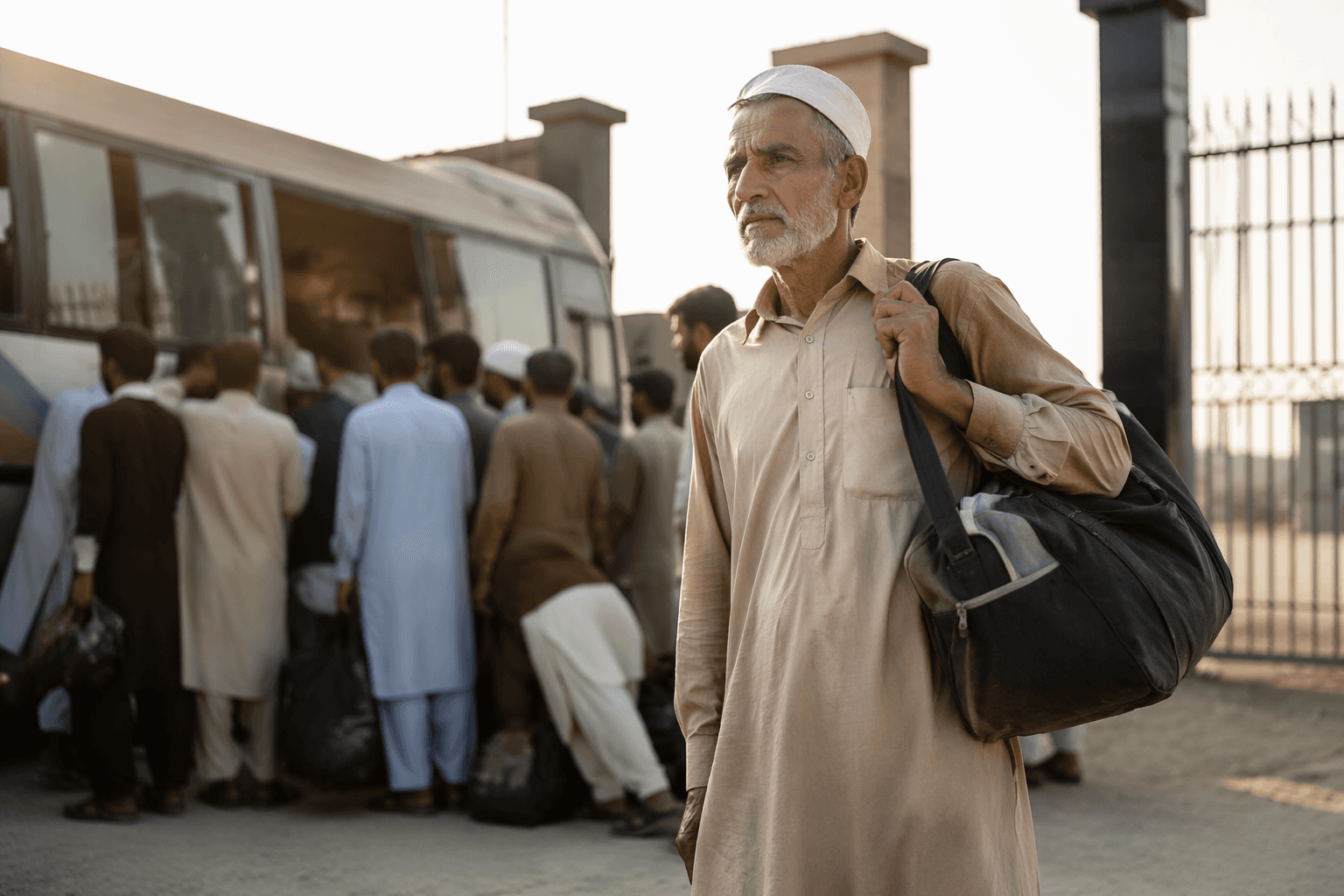
The scope remains disputed, but it is large enough to alarm Pakistan’s Shi'ite community. Majlis Wahdat-e-Muslimeen, a Shi'ite political organization, said its database listed 7,500 Pakistani Shi'ites deported from the UAE since late February, and community figures say the true number could be higher. The deportations came in the weeks after U.S. and Israeli strikes on Iran on February 28, deepening fears that sectarian identity and Gulf labor controls are intersecting in ways that leave workers exposed.
Pakistan’s interior ministry said the UAE had not deported anyone on sectarian grounds and said any removals were tied to regulatory violations. Pakistan’s foreign ministry said deportation figures remained steady, though it did not provide a sect-by-sect breakdown. A senior Pakistani official said Islamabad was reviewing the situation but had not raised it publicly for diplomatic reasons. Human Rights Watch said the allegations were deeply alarming and said it was investigating.
The economic stakes are substantial. Nearly 1.8 million Pakistanis work in the UAE, and remittances from the country are a critical lifeline for households and for Pakistan’s foreign exchange reserves. State Bank Governor Jameel Ahmad said Pakistan received a record $4.1 billion in remittances in March 2025, and the country received $3.53 billion in April 2026. Regional reporting has said the UAE sent Pakistan $6.3 billion in remittances in 2024/25, underscoring how any rupture in the labor pipeline can quickly become a national financial issue.
The deportations also come at a sensitive diplomatic moment. Pakistan planned in April to repay a $3.5 billion UAE loan that month, reducing one source of Gulf leverage over Islamabad. For the men arriving in Chakwal, though, the damage is immediate and personal: wages gone, savings unreachable, and years of labor collapsed into a sudden return home.
This article was produced by Prism’s automated news system from verified source data, official records, and press releases, then run through automated quality and moderation checks before publishing. The system is built and supervised by the people who set the standards it runs under. Read our full AI policy.
Did this article answer your question?