Palestinians hold rare local elections in West Bank and Gaza city
Polling opened in Deir al-Balah and the West Bank, but many races were uncontested. The vote exposed how little national unity still underpins Palestinian legitimacy.
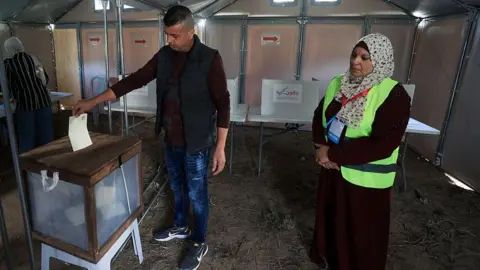
Polling stations opened in Deir al-Balah and across the occupied West Bank on Saturday, giving Palestinians a rare chance to choose local councils that handle water, roads, electricity and sanitation. The vote also exposed the limits of that choice: Hamas stayed out, several West Bank races were uncontested, and the Palestinian Authority used one Gaza city to signal authority over territory it lost in 2007.
About 70,000 people were eligible to vote in Deir al-Balah, while nearly 1.5 million registered voters were eligible in the West Bank. For Gaza, it was the first vote of any kind in 20 years. For the West Bank, it was the first local vote since 2022, after years of postponements and the absence of presidential or legislative elections since 2006.
The Palestinian Authority framed the Deir al-Balah exercise as a symbolic step, even a 'pilot,' because it covered only one city in a shattered enclave that has endured more than two years of war since the Hamas-led attack on southern Israel on October 7, 2023. The Central Elections Commission said it could not carry out traditional voter registration in Gaza and had to improvise without direct coordination with Israel or Hamas.
In many West Bank cities, including Nablus and Ramallah, only one list was submitted, meaning those races were decided automatically without a vote. Most lists were aligned with President Mahmoud Abbas’s Fatah movement or were independents, leaving Hamas outside the field even as it remains popular with many Palestinians. That imbalance made the contests look less like a test of competing national visions than a managed exercise in local administration.
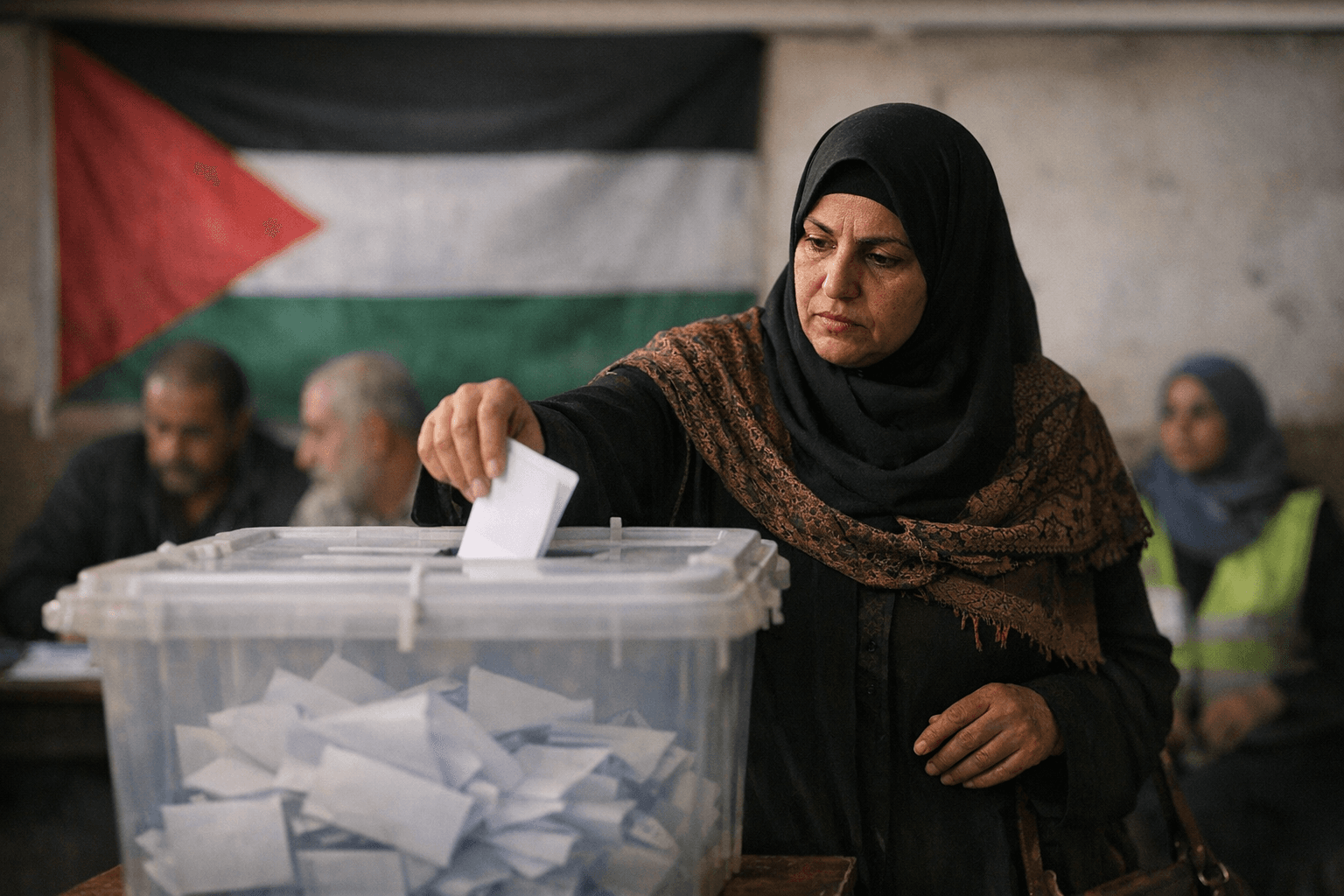
Still, the stakes were not trivial. Municipal councils decide the services people feel every day, from water lines and road repairs to electricity and sanitation. In neighborhoods across the West Bank and in Deir al-Balah, the vote offered one of the few remaining ways for residents to press for competence, transparency and accountability after years of political paralysis.
The deeper question was whether the elections marked democratic renewal or administrative continuity under occupation and internal division. Palestinian and international officials have cast them as a possible step toward broader reform and future national elections. Yet with Gaza split from the West Bank, Hamas excluded, and the presidency and parliament untouched for two decades, the ballot could only produce a partial mandate, not the national legitimacy Palestinians still lack.
This article was produced by Prism’s automated news system from verified source data, official records, and press releases, then run through automated quality and moderation checks before publishing. The system is built and supervised by the people who set the standards it runs under. Read our full AI policy.
Did this article answer your question?


