Palestinians vote in local elections including Gaza for first time in two decades
Gaza cast ballots for the first time since Hamas took power, but turnout in Deir al-Balah was just 23%. The vote doubled as a test of whether local legitimacy can return.
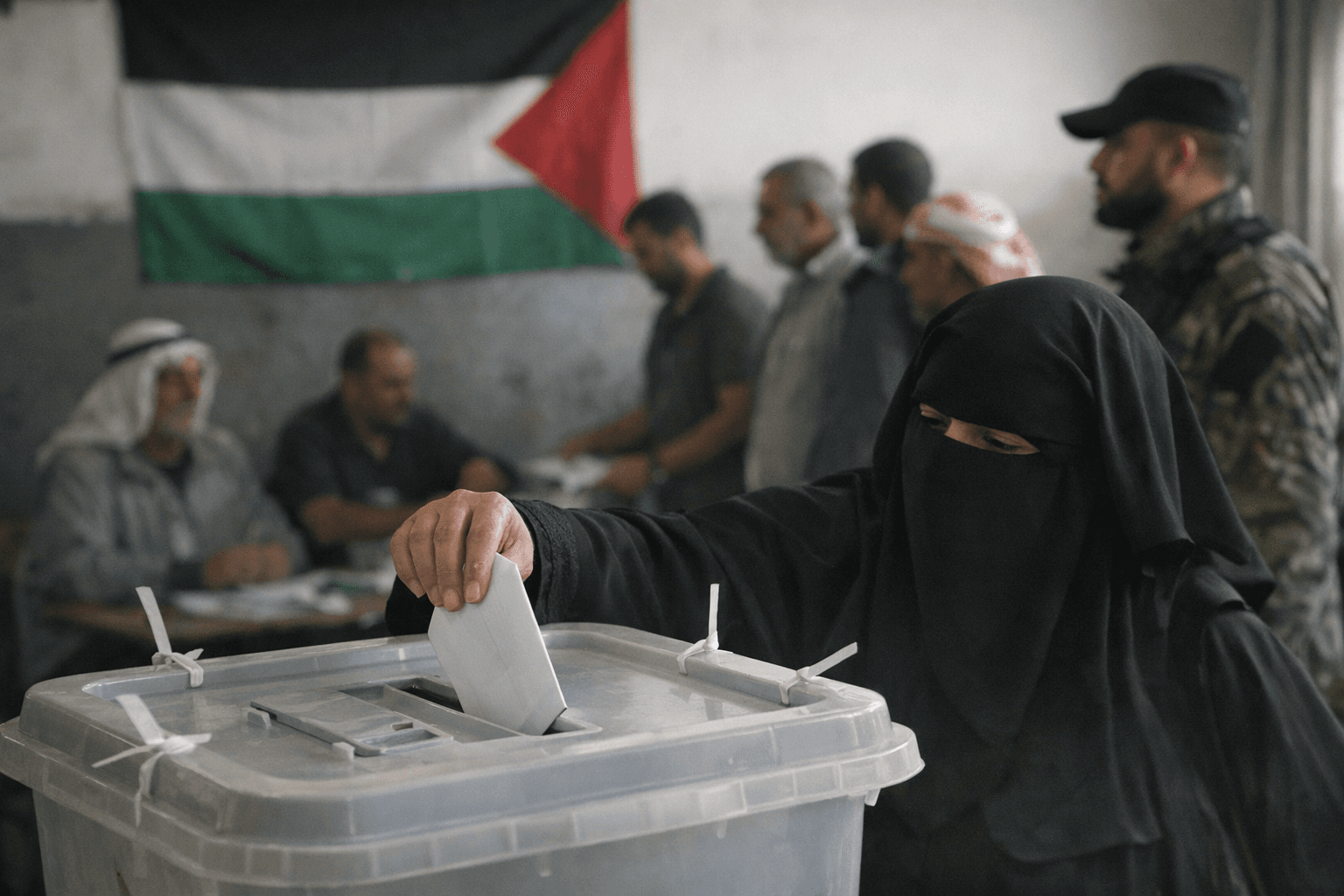
Gaza’s first vote of any kind in two decades opened a narrow window into whether civic legitimacy can return after war, division and isolation. The local elections put municipal power, not national leadership, on the ballot, but their symbolic weight stretched far beyond roads and water pipes.
The Palestinian Authority had said in January that it would extend municipal elections to Gaza “wherever possible,” and the Central Elections Commission ultimately chose Deir al-Balah because it was one of the few areas in the enclave not overrun by an Israeli ground invasion and had suffered less damage than much of the strip. The commission called the Gaza component largely symbolic and a “pilot,” a striking admission of how limited the exercise remained under bombardment and displacement.
Roughly 70,000 people were eligible to vote in Deir al-Balah, compared with about 1.5 million registered voters in the West Bank. The Gaza vote was held in 12 polling centers, including open fields and tents, because traditional voter registration was not possible. The elections were the first in Gaza since Hamas won the 2006 Palestinian legislative elections and then seized control of the territory in 2007.
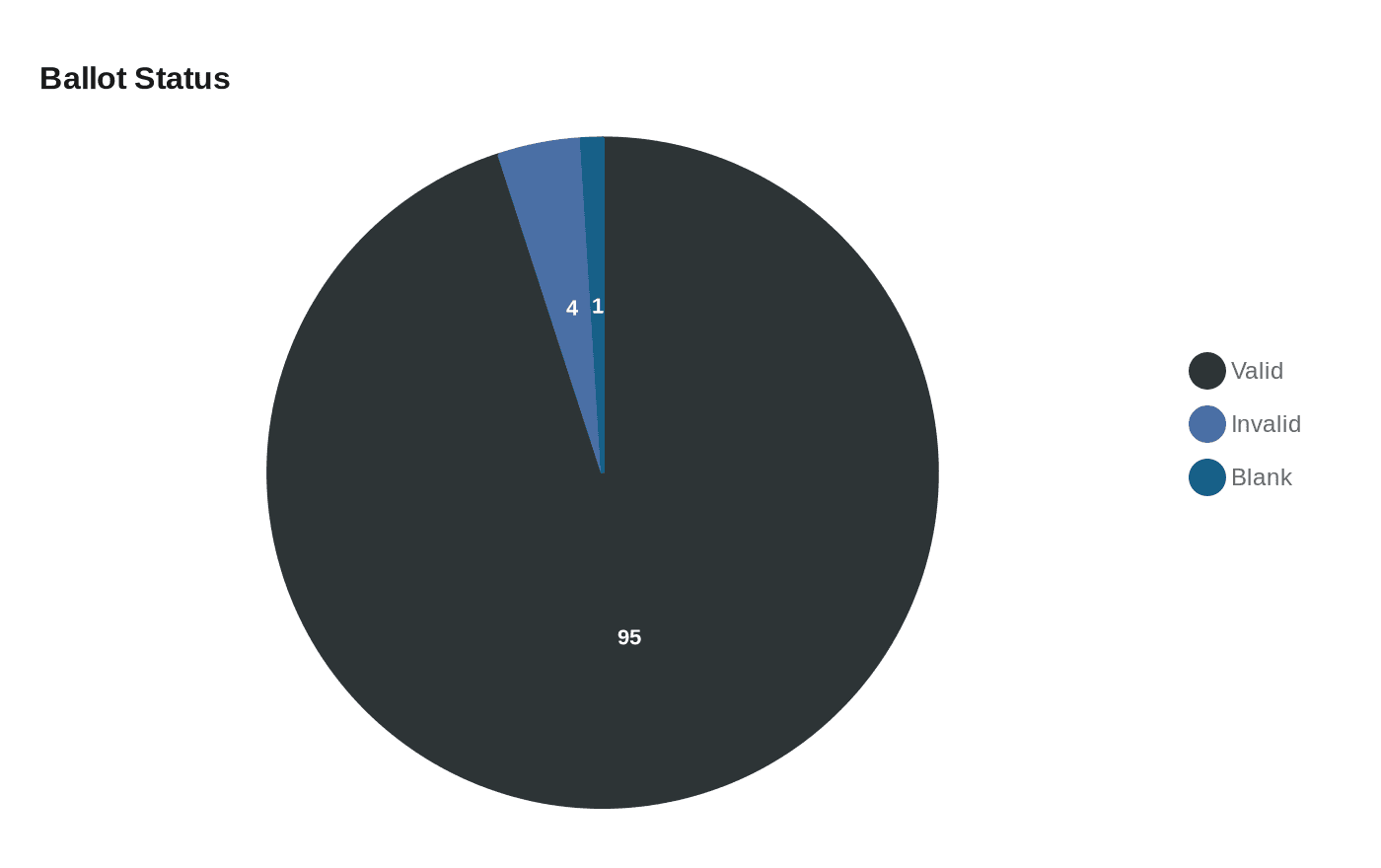
Preliminary figures released by the commission on April 26 showed turnout of 23% in Deir al-Balah and 56% in the West Bank, after 95% of counting protocols had been entered. The commission said valid papers made up 95% of ballots counted, with 4% invalid and 1% blank. Reuters reported that these were the fifth municipal elections in the West Bank since 2005, underscoring how local councils have become one of the last functioning avenues for Palestinian political participation.
Those councils matter because they handle day-to-day services, including water, sanitation, roads and electricity, even if they do not legislate. In Deir al-Balah, some voters treated the ballot as a practical chance to improve local services, while others questioned the timing amid war and continuing hardship. Mamdouh al-Bhaisi said he felt proud that, after the war, the democratic process was returning.
The vote also exposed the depth of political fragmentation. Hamas did not field an official list or openly endorse one, though some candidates were seen as sympathetic to it. Other factions boycotted the process over candidate eligibility rules, including requirements that candidates accept terms such as recognition of Israel. Political analyst Hani Al-Masri said the humanitarian crisis made politics a lower priority for many Gazans.
Mahmoud Abbas voted near Ramallah and said elections would eventually be held across Gaza when conditions allow. He cast the process as part of a larger national message, one that linked local councils in Deir al-Balah and the West Bank to the possibility of future presidential, legislative and National Council elections. European and Arab governments have backed eventual Palestinian Authority governance in Gaza, while a U.S.-brokered ceasefire has held since October with little progress toward a broader settlement.
This article was produced by Prism’s automated news system from verified source data, official records, and press releases, then run through automated quality and moderation checks before publishing. The system is built and supervised by the people who set the standards it runs under. Read our full AI policy.
Did this article answer your question?


