Panama court voids CK Hutchison port concessions, clouds $23bn sale
Panama’s Supreme Court annulled the legal basis for two canal‑entry terminals, threatening operations and a near $23 billion port sale.
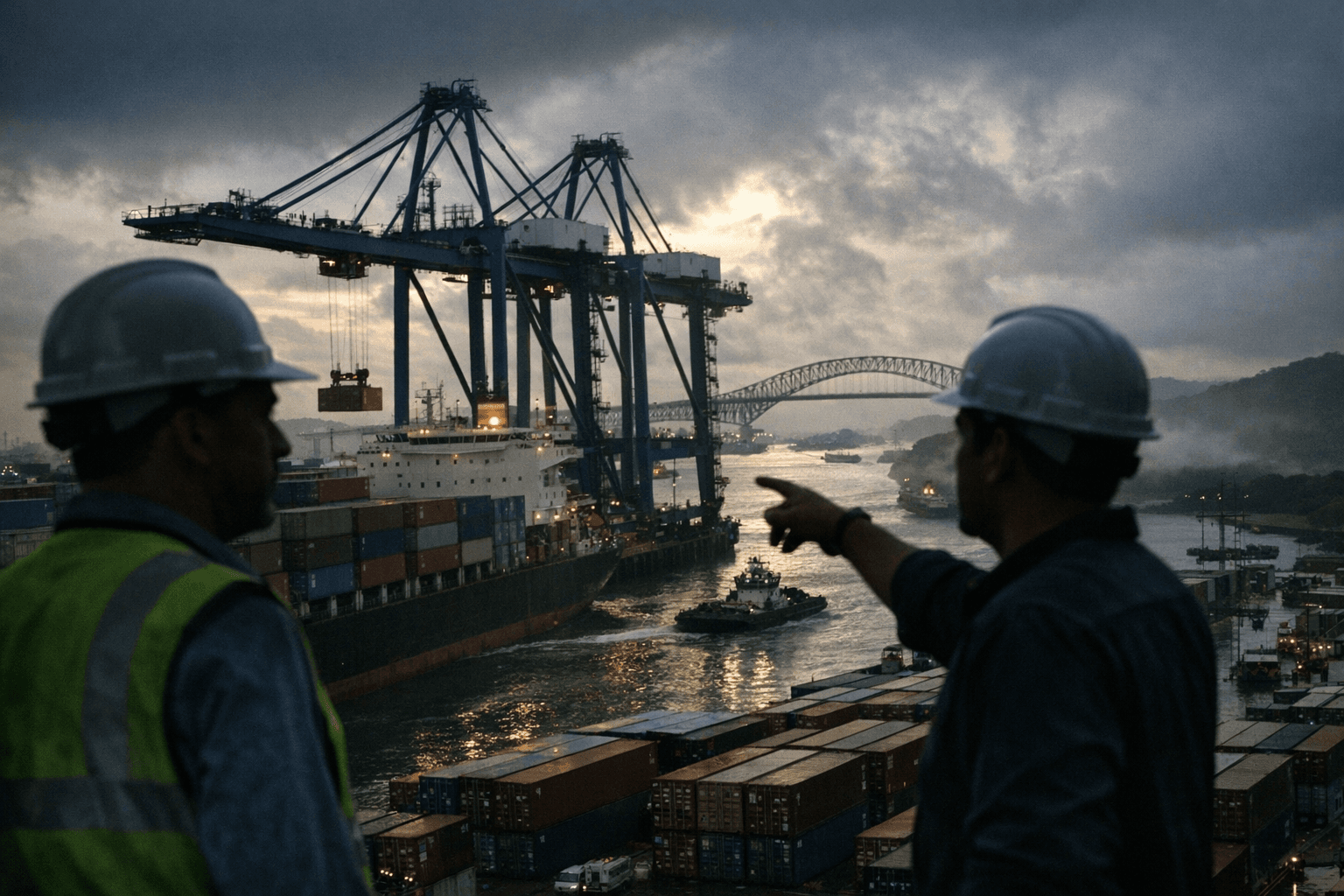
Panama’s Supreme Court annulled the legal framework underpinning long‑standing concession contracts that allow Panama Ports Company, a subsidiary of Hong Kong-based CK Hutchison, to operate the Balboa and Cristóbal container terminals at the Pacific and Atlantic entrances to the Panama Canal. The court said that after "extensive deliberation" it found the laws and acts underpinning the concession contract were unconstitutional, and in a brief statement said the terms were "no longer valid."
The decision, announced late on Jan. 29, removes the legal foundation for contracts that have governed development, construction, operation and management of the two terminals since the 1990s. The affected operations are distinct from the Panama Canal waterway itself, but they form critical transshipment hubs for global shipping; the canal carries roughly 5 percent of global maritime trade.
The ruling immediately clouded CK Hutchison’s broader plan to sell dozens of ports worldwide, including the two Panamanian terminals, in a deal reported as nearly $23 billion to a consortium led by BlackRock and Mediterranean Shipping Company. Hong Kong‑listed CK Hutchison shares fell sharply on the reaction, dropping 4.8 percent on the trading day after the ruling while Hong Kong’s Hang Seng index slipped nearly 2 percent. CK Hutchison, BlackRock and MSC did not immediately reply to requests for comment.
Panama Ports Company criticized the ruling, saying in a statement that "the new ruling, based on available information, lacks legal basis and jeopardizes not only PPC and its contract, but also the well‑being and stability of thousands of Panamanian families who depend directly and indirectly on port activity but also the rule of law and legal certainty in the country." Analysts expect the company to pursue arbitration after losing before the domestic courts, a move that could lead to extended legal disputes and claims for compensation.
Legal and administrative consequences are uncertain. The decision could force Panama to restructure the domestic legal framework for port concessions and may require new tender processes to determine operators. The Supreme Court did not provide further details on immediate remedial steps, leaving the government to weigh options that include public‑private partnerships; President Jose Raul Mulino had previously suggested PPPs could take over if contracts were invalidated.
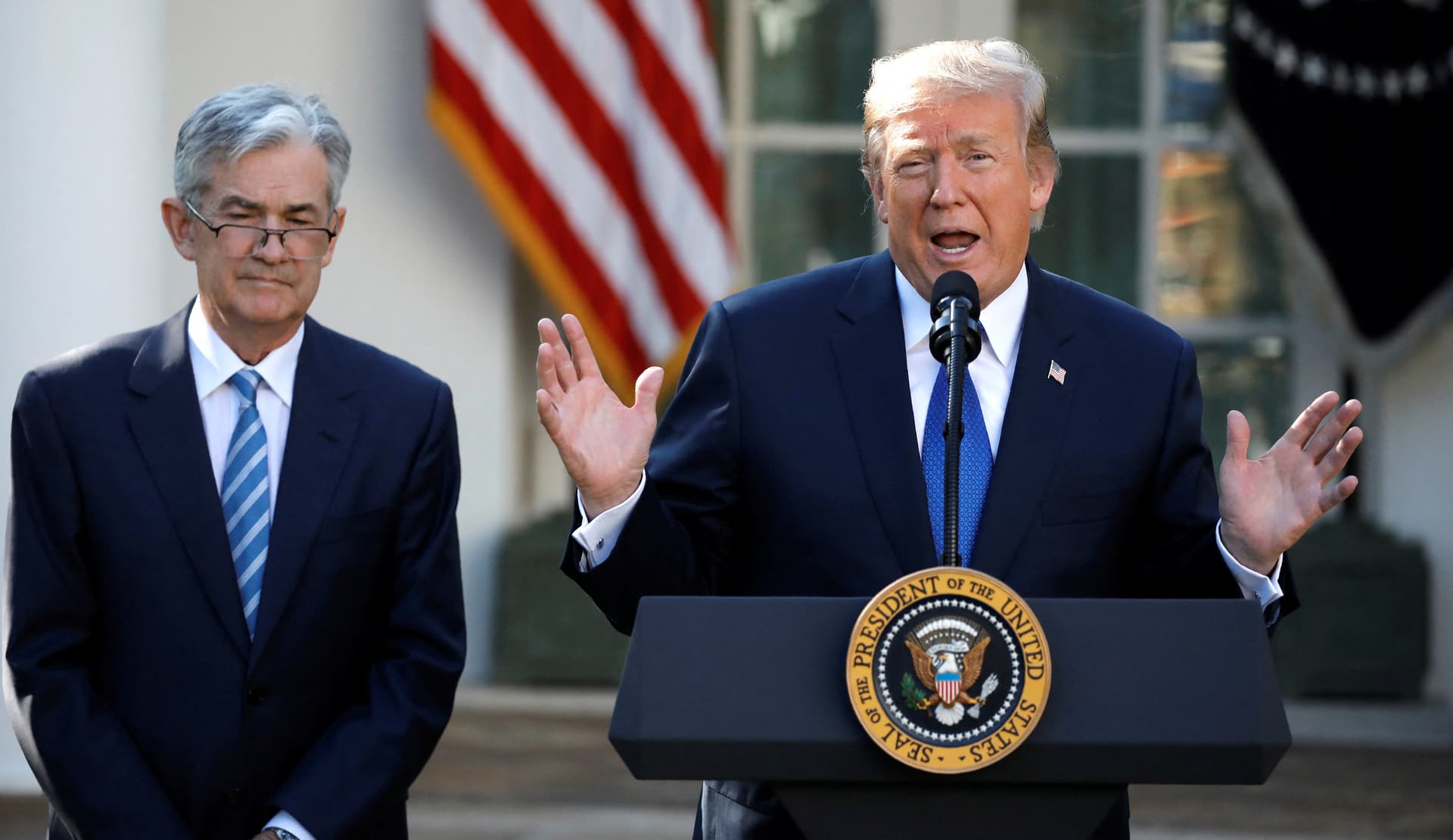
The ruling also has geopolitical resonance. It arrives amid an intensifying U.S.-China rivalry over critical trade routes and infrastructure. Approximately one year earlier, U.S. President Donald Trump had publicly argued the waterway was "vital to our country" and asserted "it's being operated by China," comments that fed a narrative in Washington skeptical of extensive Chinese control of strategic ports and terminals.
Operationally, shipping lines and logistics firms that rely on Panama as a transshipment hub will be watching continuity plans closely. Immediate disruption to terminal activity appears unlikely given the absence of court direction to halt operations, but uncertainty over ownership and contractual authority could complicate investment, scheduling and the pending sale. Panama’s comptroller has also pursued legal action to nullify port rights, adding another potential legal front to monitor as the government, operators and bidders navigate the next legal and commercial moves.
Know something we missed? Have a correction or additional information?
Submit a Tip