Paris court orders TotalEnergies to address emissions from its products
Paris judges told TotalEnergies to revise its vigilance plan to cover 342 million tonnes of customer emissions, in a ruling that could reshape climate cases across Europe.

The Paris Judicial Court ordered TotalEnergies to account for emissions generated when customers burn its oil and gas products, giving the company six months to amend its vigilance plan. The June 25 ruling said climate-related risks and impacts fall within France’s 2017 duty-of-vigilance law, which requires large companies to identify and prevent human-rights and environmental harms across their supply chains.
The case was brought by a coalition of 14 local authorities and several NGOs, later joined by the City of Paris, after they filed suit on January 28, 2020. Their main hearing took place on February 19 and 20, 2026, after years of delay, and they argued that TotalEnergies had failed to account for indirect, end-user emissions, which they said reached 342 million tonnes of CO2 equivalent in 2024.
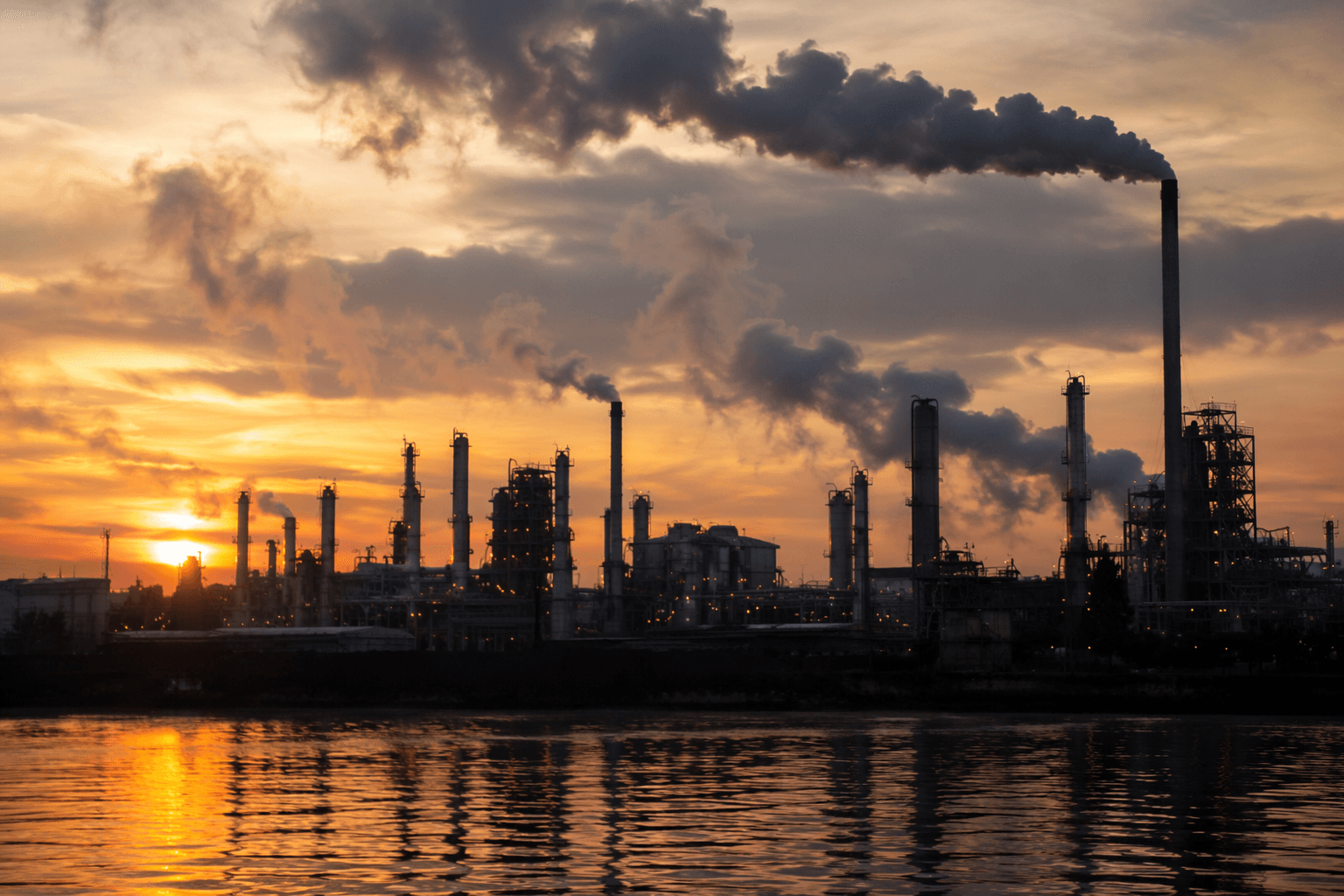
The plaintiffs sought far more than disclosure. They asked the court to require a 37% cut in oil production and a 25% cut in gas production by 2030, along with an end to new fossil-fuel projects. The court stopped short of those demands, declining to order production cuts or a halt to new projects, but it did require the company to submit a fresh assessment of the environmental risks tied to its gas and oil business and set a January hearing to review the revised plan.
TotalEnergies pushed back, arguing that its own operations account for less than 2% of global production and warning that any forced reduction would simply shift output to competitors. In a rare intervention, the Paris public prosecutor sided with the company’s broader argument that an overly broad obligation would be unworkable.
The decision lands at a sensitive moment for France, where a record heat wave has amplified public attention on climate risk and given the ruling extra symbolic weight. It is also being read as the first time the 2017 duty-of-vigilance law has been applied to climate change, a shift with consequences beyond TotalEnergies alone.
That distinction matters because the court focused not only on what TotalEnergies extracts, but on what its products produce when burned by consumers. Climate advocates see that as a potential template for future cases seeking to force fossil-fuel companies to quantify and disclose emissions tied to use of their products, not just operations at the wellhead. If other courts follow that logic, the legal pressure could extend across Europe and reach other carbon-intensive sectors as well.
This article was produced by Prism’s automated news system from verified source data, official records, and press releases, then run through automated quality and moderation checks before publishing. The system is built and supervised by the people who set the standards it runs under. Read our full AI policy.
Did this article answer your question?

%3Amax_bytes(150000)%3Astrip_icc()%2FCertificate-of-deposit-2301f2164ceb4e91b100cb92aa6f868a.jpg&w=1920&q=75)
