Pejepscot Mill 1913 murder: swift investigation, community aftermath
A 1913 Topsham murder at the Pejepscot Mill woodlot is recounted, highlighting rapid arrests and trial that shaped local law enforcement and community memory.
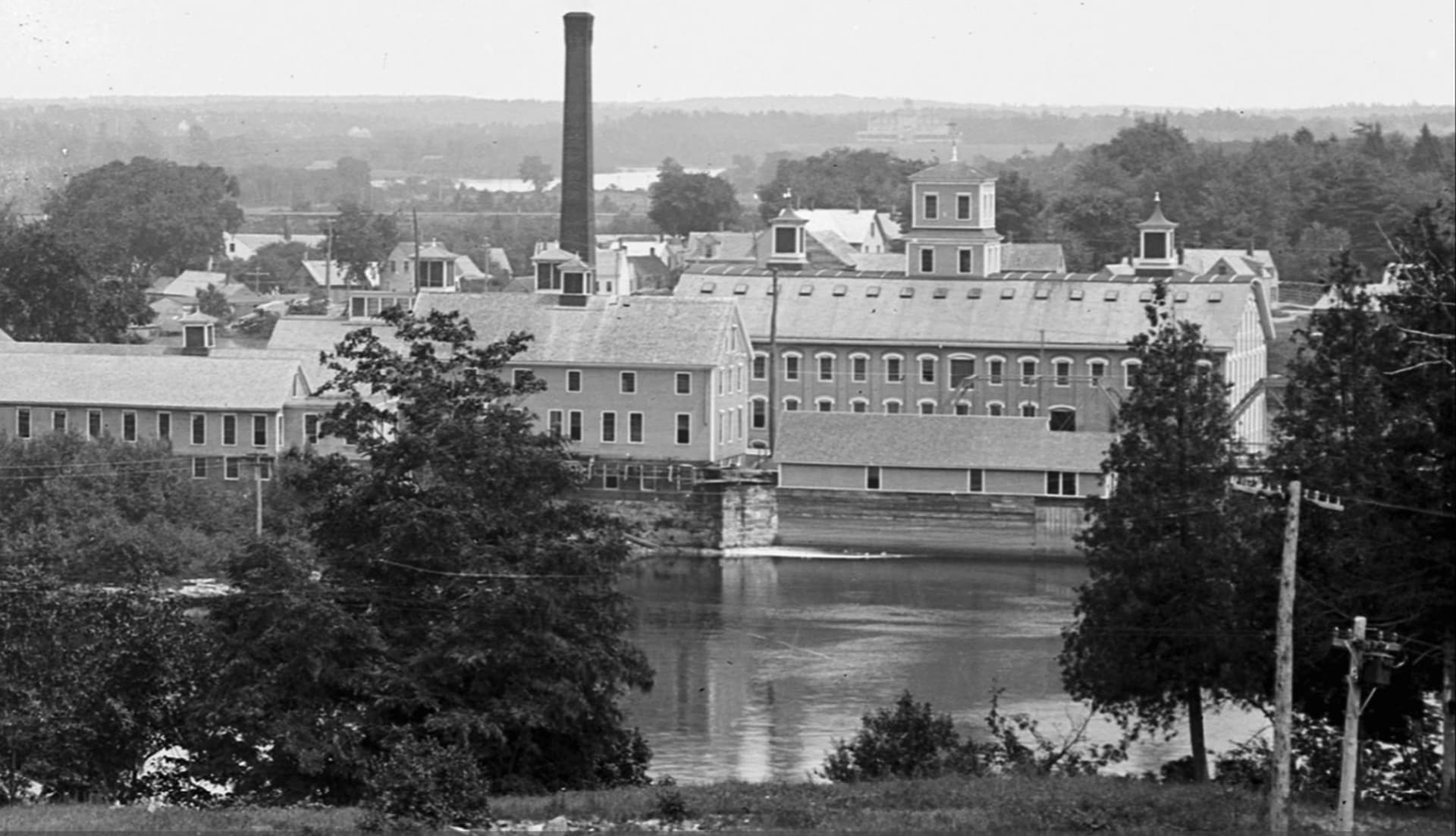
On Sept. 3, 1913, the body of Kasem Souleyman, an Armenian immigrant preparing to travel, was discovered in the woodlot behind the Pejepscot Mill in Topsham. Contemporary accounts describe Souleyman as having suffered multiple stab wounds and a slashed throat. The brutal killing jolted the mill town and set in motion one of Sagadahoc County's fastest homicide resolutions of the early 20th century.
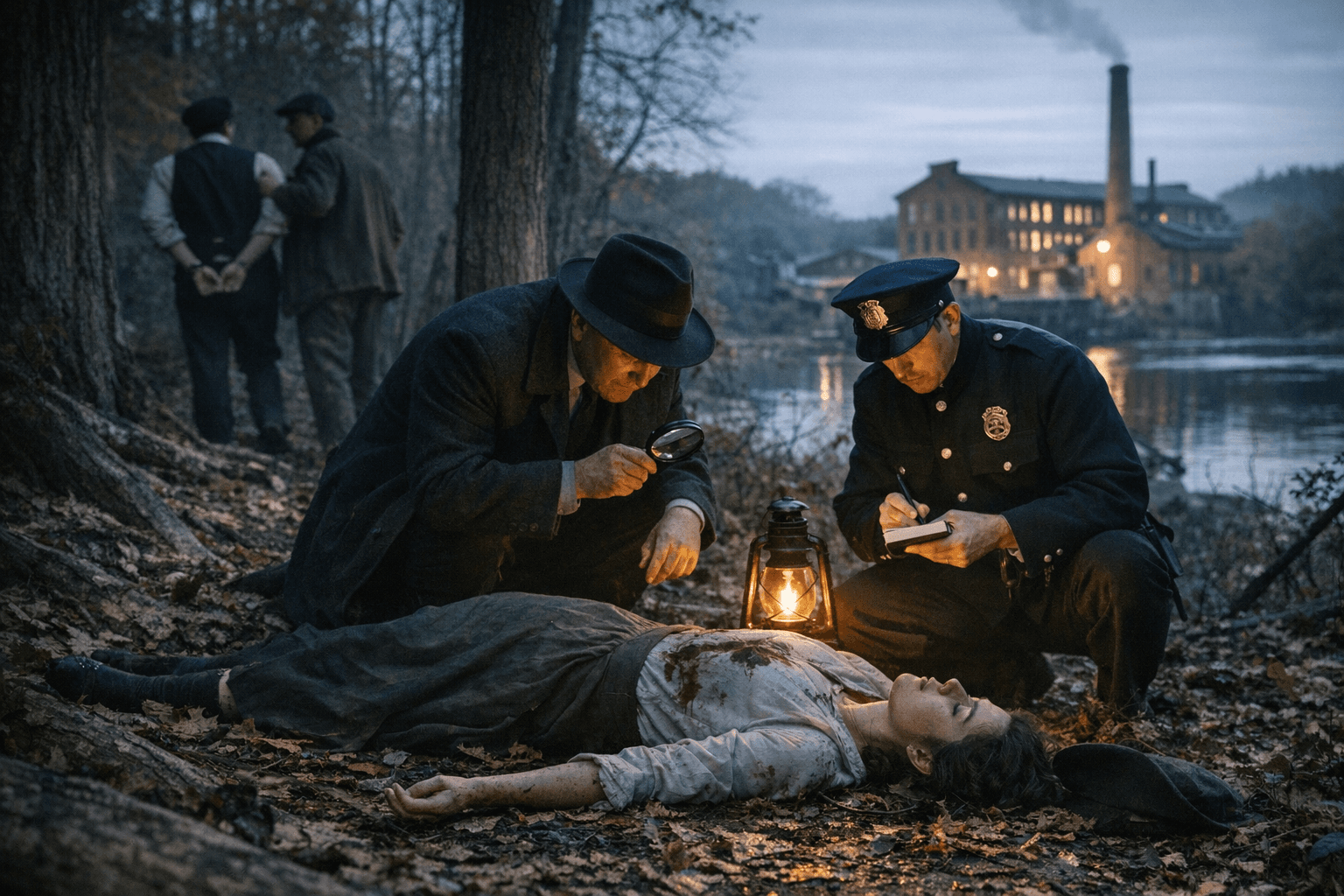
Sagadahoc County Sheriff Wilbur C. Oliver, only five months into his term, led the investigation. Local records from the period show Oliver and his deputies quickly focused on two companions of Souleyman, identified as Braho Hiro and Rasem Lachioli. Investigators found a blood-soaked letter at the scene and other physical evidence that linked the men to the crime. Within eight weeks the suspects were arrested, brought to trial and sentenced, concluding the case far more rapidly than typical homicide prosecutions of the era.
The file on the matter also documents troubling background for at least one of the accused. Contemporary court and jail records referenced a prior violent history, including a 1910 manslaughter conviction for one suspect, which figured into both investigative scrutiny and later legal proceedings. The speed of identification and prosecution reflected a combination of diligent local policing, immediate physical evidence, and a community that closely tracked neighborhood movements and rumors in a period when mill work, boardinghouses and tight social networks dominated daily life.
For residents of the Midcoast today, the episode is more than a grim story; it is a window into how law enforcement, immigration and community ties intersected in a county shaped by mills and waterfront commerce. The investigation highlighted how local sheriffs operated with limited forensic tools but with heavy reliance on witness accounts, paperwork and logbooks from businesses and boardinghouses. It also underscores the precarious position of immigrant laborers in early 20th-century New England communities and how violent incidents could ripple through families and workplaces.
The legal aftermath and the community reaction became part of Topsham's historical record, informing later practices in evidence handling and case reporting in Sagadahoc County. The case remains a notable episode in county archives and local memory for how quickly investigators closed a brutal crime in an era before modern forensic science.
For readers today, the Souleyman murder is a reminder of the county's layered past: how institutions responded to violence, how immigrant lives were entwined with mill-era economies, and how archival records preserve lessons about accountability and public safety for the communities that followed.
Sources:
Know something we missed? Have a correction or additional information?
Submit a Tip