Pendleton Brush-Clearing Crew Seeks 19-to-26-Year-Olds for Wildfire Training Program
A Pendleton-based 12-week brush-clearing crew sought 19-to-26-year-olds for wildfire training starting in late February, offering hands-on fuel-reduction skills that boost local fire resilience.
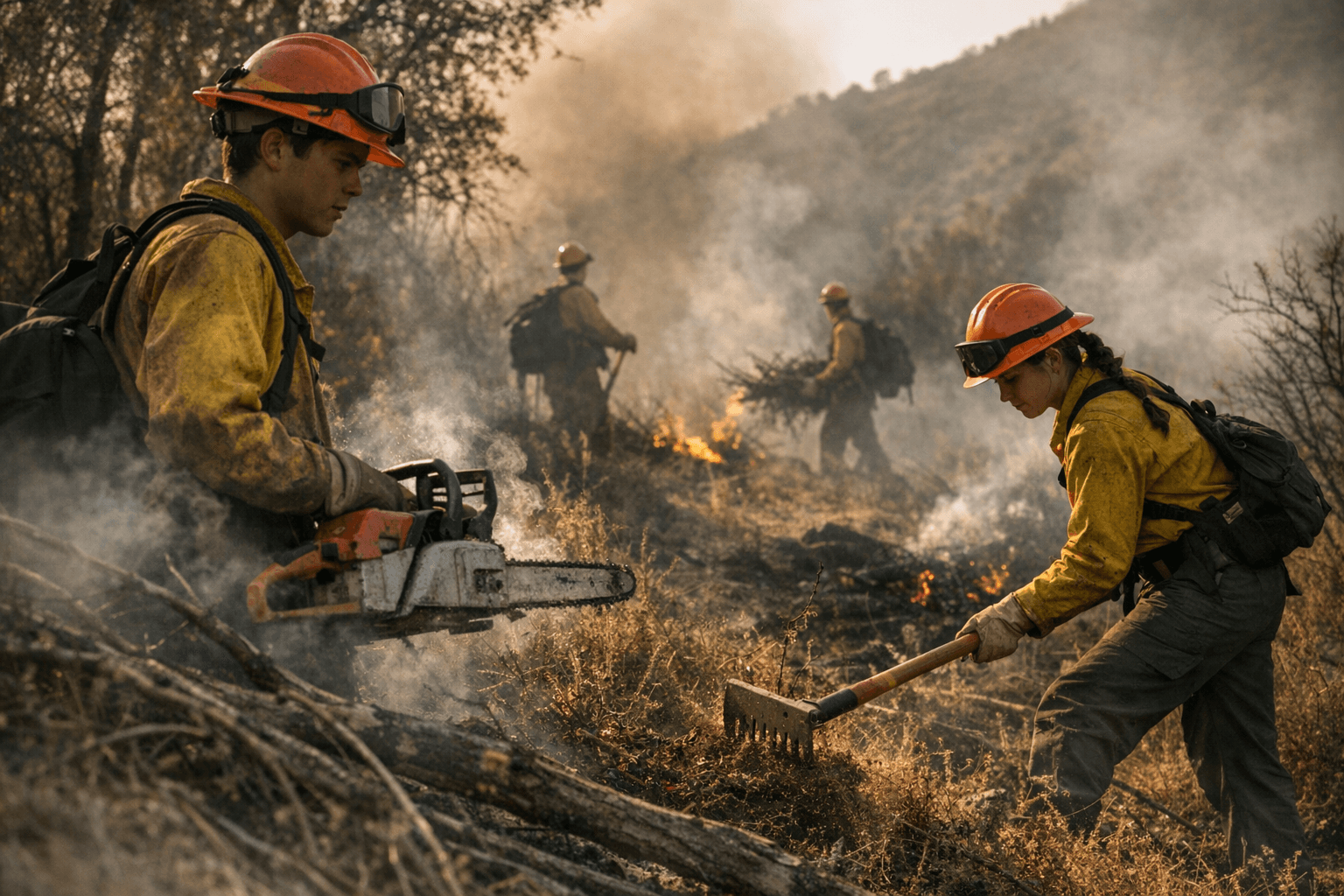
A Pendleton-based brush-clearing crew sought 19-to-26-year-olds on Jan 28 for a 12-week wildfire training program that will begin in late February. The crew will deliver hands-on training in fuel-reduction and vegetation management, including chainsaw and hand tool use, and will complete projects on public and partner lands across Union County.
Organizers designed the program to provide practical field experience in reducing hazardous fuels that contribute to wildfire spread. Training in safe chainsaw operation and hand tool techniques aims to raise the skill level of young adults who can then help lower local wildfire risk. Participants will work on multiple sites, focusing on strategic vegetation thinning and other treatments intended to interrupt fire pathways into communities and critical infrastructure.
Public health officials and rural health advocates note that reducing wildfire risk has direct implications for community health. Fewer and less severe fires mean less smoke exposure, which in turn reduces acute respiratory distress, exacerbations of asthma and chronic obstructive pulmonary disease, and the burden on emergency services and clinics in Pendleton and surrounding towns. Vegetation management is a preventive investment in air quality that disproportionately benefits older adults and people with chronic health conditions who face the greatest danger from smoke.
The program also carries social equity and workforce development significance. By targeting 19-to-26-year-olds, the crew creates an entry point for young people in Union County who may lack access to training pipelines into natural resource jobs. Practical certifications and on-the-ground experience can be stepping stones to careers in wildland firefighting, land management, and conservation. In a county where economic opportunity and access to training vary by ZIP code, local recruitment can help make those pathways more accessible.
Safety and oversight for field crews are central concerns. Proper personal protective equipment, chainsaw certification, and supervision on partner lands will be necessary to protect participant health and reduce risk of injury. Local healthcare providers and emergency planners should be prepared to support field operations and to monitor occupational health outcomes as the program runs.
Residents can expect the crew's work to take place on a mix of public parcels and partner-owned properties, with visible fuel-reduction efforts in areas identified as high risk. The announcement included basic eligibility, program length, and contact and registration instructions for interested participants. Those curious about joining or hosting a fuel-reduction project should follow the listed contact steps to register and to learn site schedules.
For Union County, the program represents both immediate action on wildfire risk and a longer-term investment in community resilience and young adult opportunity. As crews begin work in late February, residents will begin to see on-the-ground change aimed at protecting air quality, public health, and the places that communities rely on.
Sources:
Know something we missed? Have a correction or additional information?
Submit a Tip