Pennsylvania medical examiner rules ICE-released Haitian woman's death a homicide
A Pennsylvania medical examiner ruled Daphy Michel’s death a homicide three days after ICE released her, deepening scrutiny of what happens after custody ends.

A Pennsylvania medical examiner has ruled that Daphy Michel’s death was a homicide, turning a March case that began with an ICE release into a broader test of federal responsibility after detention ends. Michel, a 31-year-old Haitian woman, was found unresponsive at a bus shelter on Pittsburgh’s South Side near East Carson Street and the Smithfield Street Bridge, then taken to UPMC Presbyterian Hospital, where she was declared dead on March 2. The Allegheny County Medical Examiner’s Office said hypothermia caused her death.
The ruling, issued June 12, does not by itself establish criminal culpability, but it sharply increases scrutiny of U.S. Immigration and Customs Enforcement and the Department of Homeland Security. Michel died three days after her release from federal custody, at a moment when the case raises hard questions about whether medical release, supervision and follow-up are adequate for people leaving detention with acute vulnerabilities.
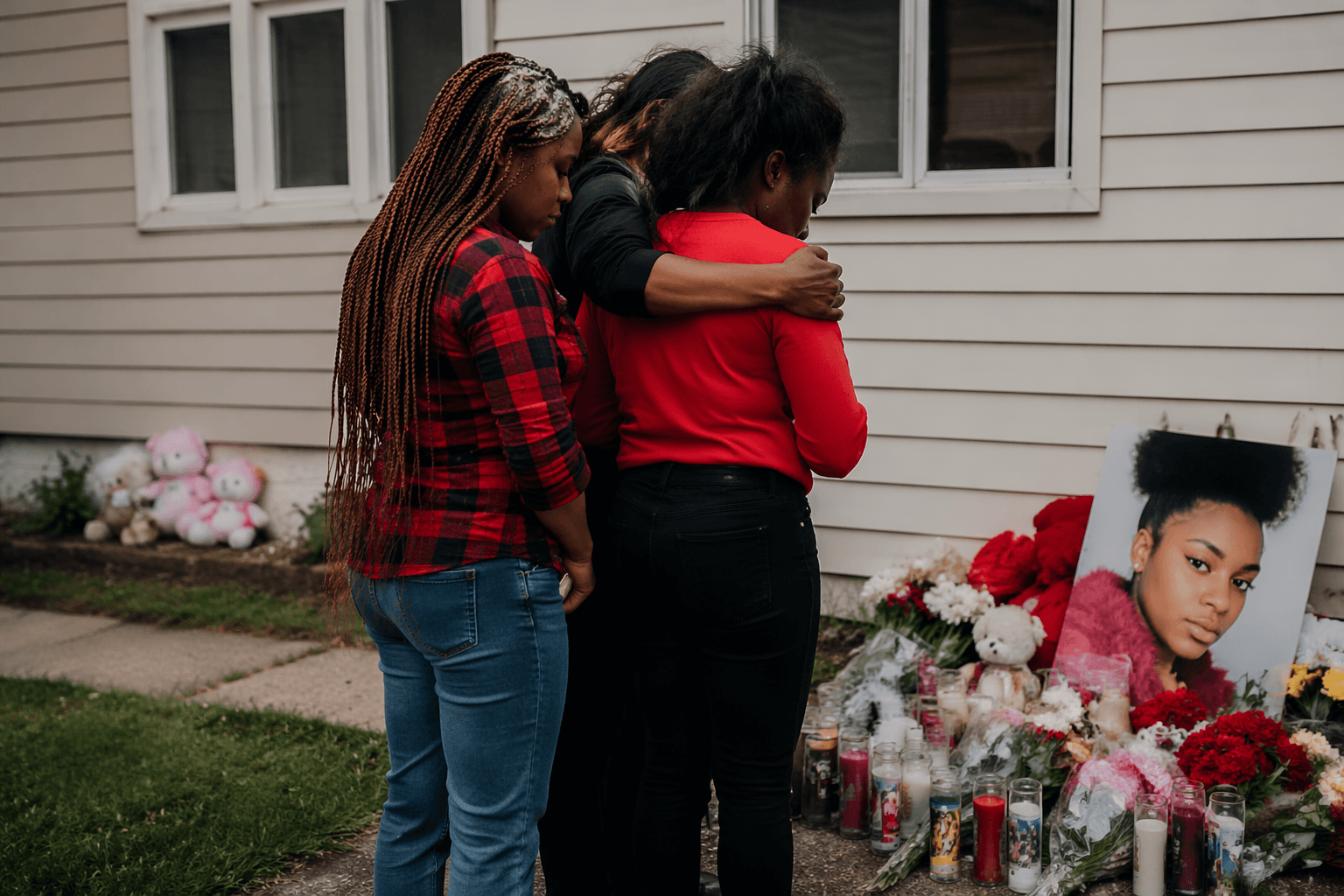
The medical examiner described Michel as a “vulnerable adult” with untreated severe mental health issues and a significant language barrier when she left ICE custody. Records and reporting show ICE processed her at its Pittsburgh Enforcement and Removal Operations office on February 27 and enrolled her in the agency’s Alternatives to Detention program, reportedly releasing her with an ankle monitor. She had spent nearly six months in Washington County Jail before a judge dismissed two misdemeanor charges on February 26.
The chronology has become central to the debate over duty of care. Michel was no longer in a jail cell when her condition became fatal, but the facts of her release, her mental health needs and the language barrier documented by the medical examiner have fueled criticism that vulnerable migrants can fall through a gap between federal processing and the far less supervised period that follows. Attorney Joseph Murphy, who represents Michel’s family, has publicly questioned ICE procedures, and the Haitian Bridge Alliance has called for an independent investigation.
Family members also learned of the death through a hospital call, according to local advocates, and some reporting says Michel came to the United States from Haiti in 2022 with temporary humanitarian protection. For immigration authorities, the homicide finding is not a criminal verdict, but it is a warning sign: once a person leaves custody, release decisions can become life-or-death decisions, especially when shelter, medical care and follow-up are missing.
This article was produced by Prism’s automated news system from verified source data, official records, and press releases, then run through automated quality and moderation checks before publishing. The system is built and supervised by the people who set the standards it runs under. Read our full AI policy.
Did this article answer your question?