Pentagon backs $1.4 billion loan for battery maker Sila
The Pentagon backed a $1.4 billion conditional loan for Sila, betting on silicon-anode batteries as Washington works to cut supply-chain dependence on China.
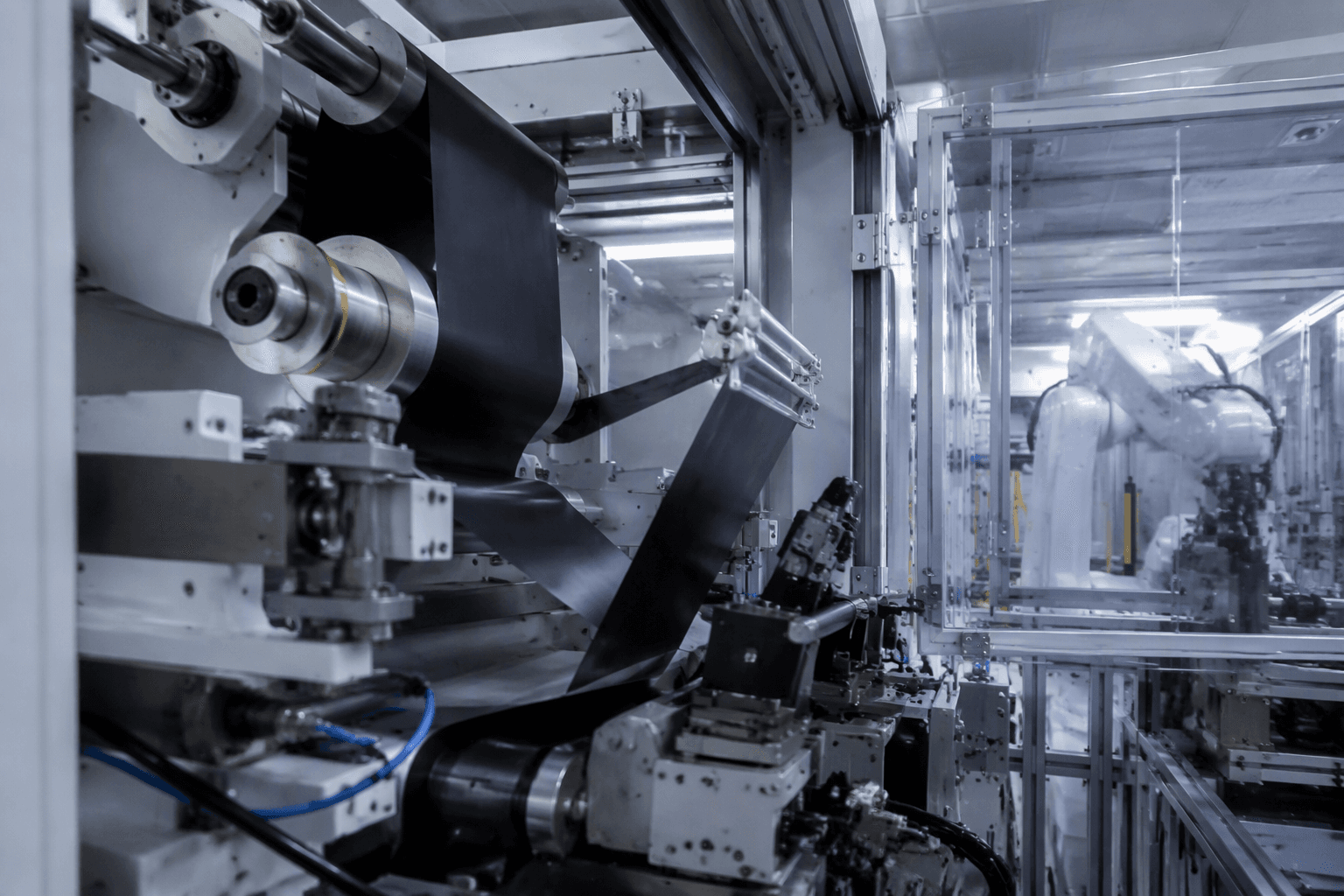
The Pentagon committed to back a $1.4 billion conditional loan for Sila Nanotechnologies, a battery technology company based in Alameda, California, as Washington moved to strengthen domestic supply chains for strategic technologies. The Office of Strategic Capital signed the package on Aug. 7 to expand American battery production and give the United States more control over a component chain that still leans heavily on foreign suppliers.
Sila has built its business around Titan Silicon, a silicon-based anode material that serves as a drop-in replacement for graphite. Silicon anodes store more energy than conventional graphite-heavy designs, a performance gain that translates into longer range for electric vehicles, smaller consumer devices and lighter power systems for defense uses. Sila lists EVs and e-mobility, consumer products, flight and space, data centers and robotics, and defense as target applications.
Battery materials have become a national-security issue in the broader industrial policy push. The Office of Strategic Capital develops financial tools, strategies and partnerships to attract and scale private capital for national-security supply chains. A Congressional Research Service overview dated May 4 places the office inside the Defense Department’s effort to pull private money into technologies the military considers essential. The new loan commitment shows how that mission is playing out in batteries, where scale-up costs are high and commercial risk can scare off traditional lenders.
Sila still has to turn its materials platform into steady, high-volume manufacturing that meets automotive and defense requirements, a process that demands expensive equipment, tight quality control and large customer orders. A conditional loan commitment helps unlock capital and validate the technology, but it does not erase the technical and production hurdles that have stalled many battery startups before they reached mass deployment.
On the same day, the Trump administration backed three mineral projects with $58 million in financing and announced more than $2 billion in federal commitments tied to critical-minerals, battery and mining-workforce projects. Eric Shields called Sila’s financing “welcome news for the industry” in a LinkedIn post, and the Office of the Under Secretary of War for Research and Engineering named the move as part of expanding domestic production of advanced battery materials.
This article was produced by Prism’s automated news system from verified source data, official records, and press releases, then run through automated quality and moderation checks before publishing. The system is built and supervised by the people who set the standards it runs under. Read our full AI policy.
Did this article answer your question?