Pentagon casualty database undercounts U.S. war dead in Iran conflict
The Pentagon’s casualty database briefly dropped U.S. war deaths from 18 to 14, raising alarms that four deaths were being obscured in the Iran conflict.
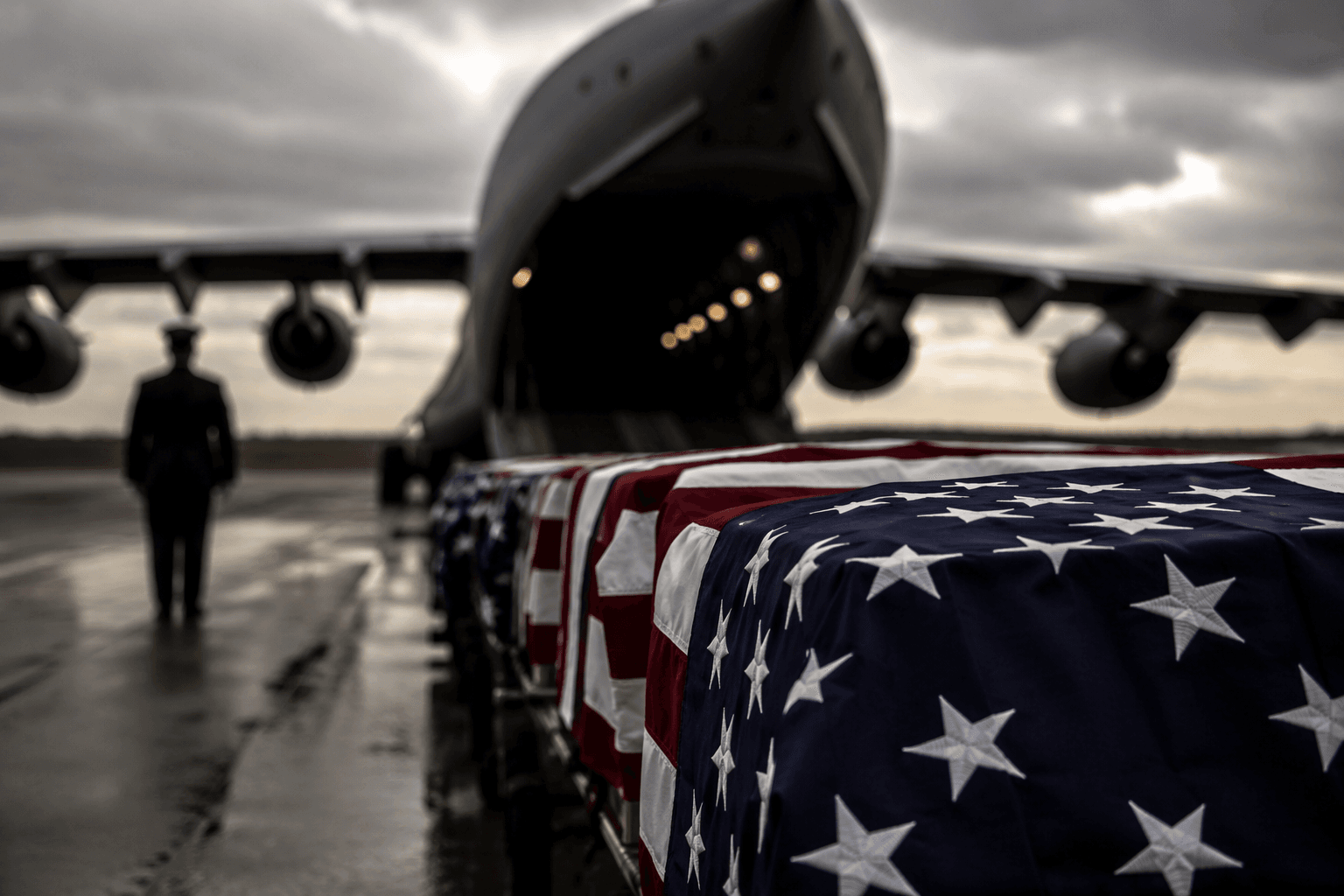
The Pentagon’s public casualty database briefly showed 14 U.S. war dead instead of 18, then went more than a day without an update after the number shifted. Because the database is the government’s authoritative public record of war dead, the mismatch immediately raised questions about who was being counted, who was being left out, and whether families, lawmakers, and the public were seeing the full toll of the Iran conflict.
Until the change, the tally had stood at 18 U.S. service members killed and more than 600 wounded since the war began. The sudden drop to 14 changed not just the headline number but the definition of who was being recorded as a combat death. Some explanations tied the discrepancy to a website issue or temporary data disruption; others said four deaths may have been removed because the service members died after an April ceasefire.
That distinction matters because the public record is supposed to track the human cost of the war in real time and with consistency. If deaths are moved in and out of the casualty database based on whether they occurred before or after a ceasefire, the Pentagon is not just revising a tally. It is deciding which losses are visible in the official count and which are pushed into a different category, even when the deaths happened in the same conflict.
The names already attached to the war show how concrete the loss has been. The Washington Post identified two of the dead as 1st Lt. Tyler James Feehan, 25, and Pvt. Isabella Gonzales, 19, both killed in an Iranian missile attack on an air base in Jordan. The Pentagon later identified two soldiers killed in the war on March 5. Those deaths, along with the broader toll, are part of the same casualty picture that the database is supposed to reflect.
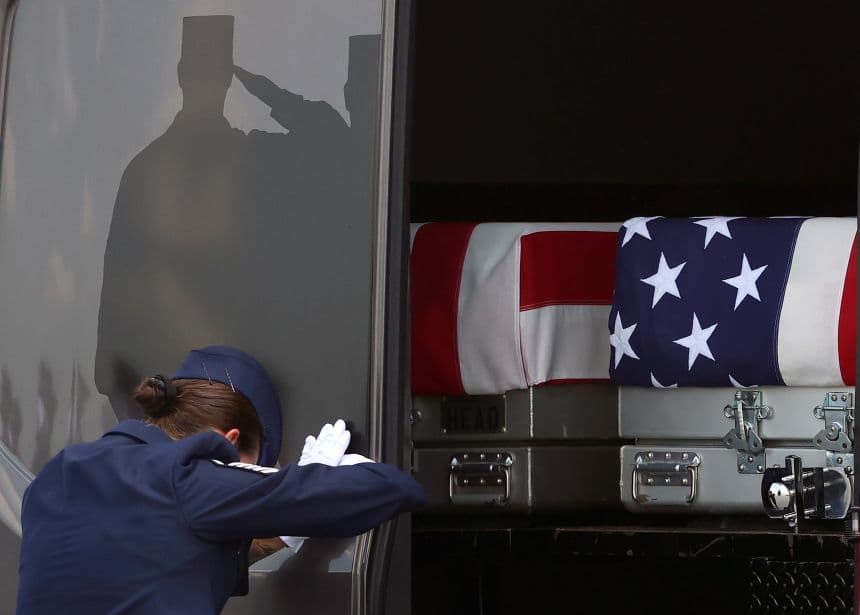
The war has also carried a heavy financial price. Reuters reported that the conflict had cost the United States $37.5 billion by July 21. Veterans’ groups and lawmakers criticized the casualty-count change, and the uproar put fresh pressure on the Defense Department to explain whether the problem was a website glitch or a broader breakdown in how it records wartime deaths. A disputed casualty count can affect oversight and may complicate the paperwork that follows a death in uniform, including benefits and compensation decisions for service members’ families.
This article was produced by Prism’s automated news system from verified source data, official records, and press releases, then run through automated quality and moderation checks before publishing. The system is built and supervised by the people who set the standards it runs under. Read our full AI policy.
Did this article answer your question?