Pentagon hire of convicted Jan. 6 rioter sparks internal alarm
A convicted Jan. 6 rioter landed a Pentagon counterterrorism job, and four insiders say the move triggered alarm inside the Defense Department.

How did a convicted Jan. 6 rioter get cleared for a Pentagon role tied to counterterrorism and highly classified military operations? That question is now reverberating inside the Defense Department after Elias Irizarry was hired into the Pentagon’s Special Operations and Low Intensity Conflict office, a unit that oversees sensitive special operations and irregular warfare matters.
Irizarry was 19 at the time of the Jan. 6, 2021 attack on the U.S. Capitol, and he later said he regretted taking part in it. His placement in an office that handles highly classified military operations has alarmed some officials inside the Pentagon, four people familiar with the situation said. The concern is not just political. It is about whether the department’s vetting standards, under the Trump administration, are tight enough for a post that touches some of the military’s most sensitive work.
The office Irizarry joined sits close to the core of U.S. national security planning. Special Operations and Low Intensity Conflict is involved in sensitive special operations and irregular warfare matters, areas where personnel decisions carry outsized consequences because the work often overlaps with counterterrorism and classified mission planning. That is why the hiring has drawn such sharp scrutiny from people inside the building.
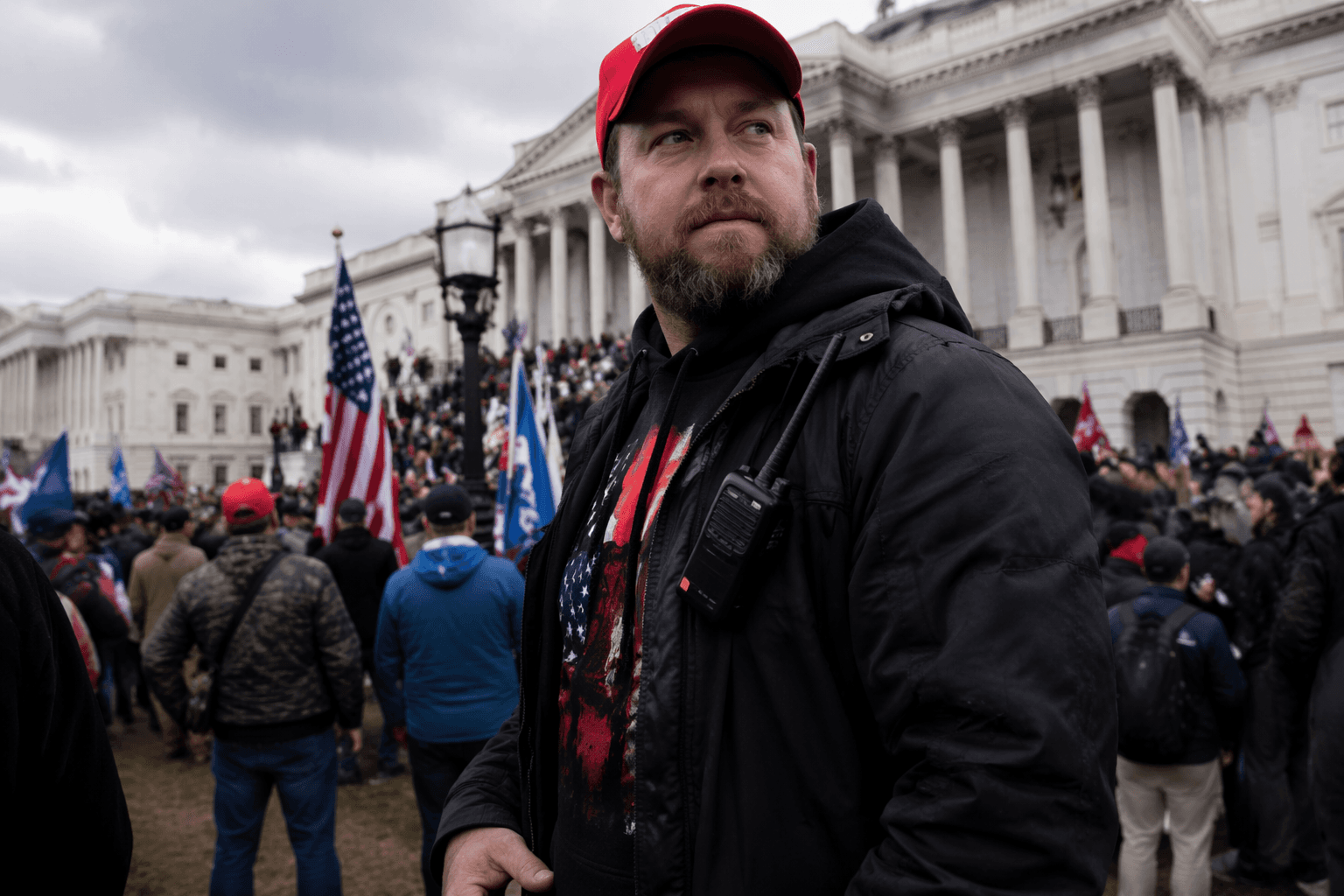
The appointment also exposes a deeper tension around Jan. 6 inside Washington. The attack remains a major fault line in federal politics, and the Trump administration has faced recurring questions about how it handles rioters who were convicted in connection with the assault on the Capitol. In that climate, putting a former Jan. 6 defendant into a sensitive Defense Department role was always likely to raise doubts about judgment, clearance standards and the message it sends to career officials.
Other coverage on June 2 said Pentagon officials defended Irizarry as a “qualified, patriotic young professional,” language that only sharpened the controversy surrounding the hire. For critics inside the department, the issue is not whether Irizarry has expressed remorse, but whether a conviction tied to the Capitol attack should have disqualified him from a post so closely connected to national security. The episode has become a test case for how far political rehabilitation can go inside the federal government before it collides with institutional risk.
This article was produced by Prism’s automated news system from verified source data, official records, and press releases, then run through automated quality and moderation checks before publishing. The system is built and supervised by the people who set the standards it runs under. Read our full AI policy.
Know something we missed? Have a correction or additional information?
Submit a Tip