Police accused of two-tier policing as they target racial bias
Henry Nowak’s death has reopened doubts over whether British policing’s anti-bias reforms changed outcomes or only its language.
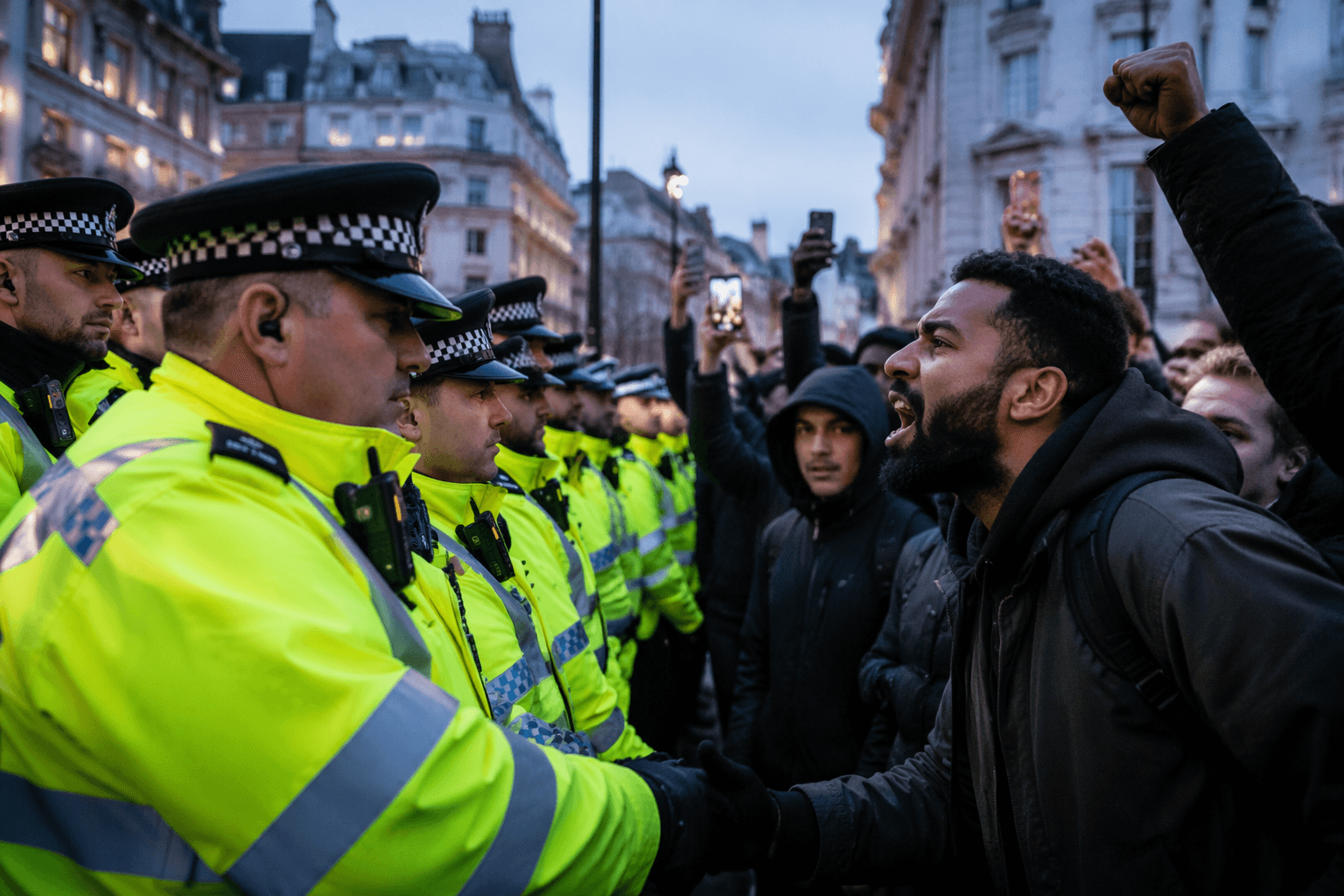
Henry Nowak’s death has become the latest test of whether British policing has changed its habits or only its language. As officers intensify efforts to confront racial bias, they are also facing renewed accusations of two-tier policing from critics who say the system is treating race as the central issue while failing to restore confidence in how cases are handled.
The dispute cuts to the heart of institutional trust. Police leaders have spent years promising a more transparent and more accountable service, with tougher oversight, bias training and sharper scrutiny of misconduct. Yet for many communities that have borne the brunt of contentious stops, arrests and deaths, the reforms have often felt procedural rather than transformative.
That frustration is rooted in a basic gap between process and outcome. Official accountability mechanisms can examine complaints, review serious incidents and publish findings, but they typically operate after damage has been done. Families and campaigners affected by racially charged police encounters say that is not the same as prevention, and it is not the same as trust.
The two-tier policing charge has become politically potent because it flips the argument. Critics of reform say police are too quick to see race as the explanation for public concern and too slow to recognize ordinary crime and disorder. But that argument has not removed the underlying question of whether reforms have meaningfully changed how police behave when race is in play, or whether they have mostly changed how institutions talk about their conduct.
Henry Nowak’s death now sits inside that larger argument. It is being read not only as a single case, but as a measure of whether British policing can prove that accountability is more than a statement of intent. If promised reforms are working, they should be visible where they matter most: in the decisions officers make, in the speed and seriousness of investigations, and in whether communities believe the system is finally capable of treating similar cases differently.

For now, the debate remains unresolved. The language of reform is more refined than it was a decade ago, but the burden on police institutions is unchanged: they must show that anti-bias policies are altering outcomes, not simply providing a new vocabulary for old failures.
This article was produced by Prism’s automated news system from verified source data, official records, and press releases, then run through automated quality and moderation checks before publishing. The system is built and supervised by the people who set the standards it runs under. Read our full AI policy.
Know something we missed? Have a correction or additional information?
Submit a Tip