Pentagon places 1,500 soldiers on standby amid Twin Cities unrest
The Pentagon has ordered about 1,500 active-duty soldiers to prepare to deploy to Minnesota amid heightened federal immigration enforcement and protests; standby status raises public safety and public health concerns.
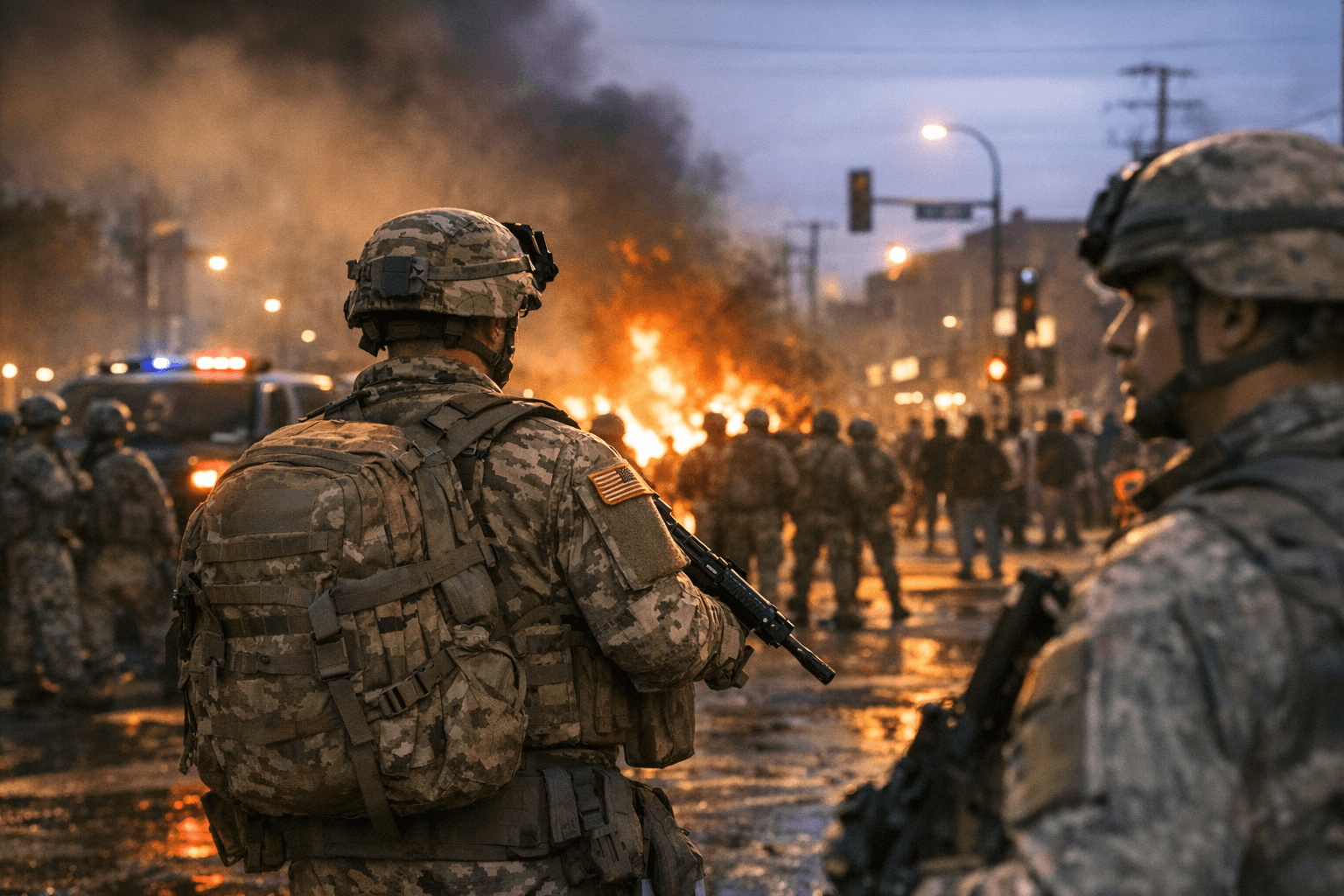
The Pentagon has placed roughly 1,500 active-duty soldiers on prepare-to-deploy orders for a possible deployment to Minnesota, drawing troops from two infantry battalions of the 11th Airborne Division, an Alaska-based unit that trains for cold-weather operations. Defense officials who spoke on condition of anonymity said the order puts the units on standby in case they are needed in the Twin Cities, though the timing, destination within Minnesota and specific tasks have not been finalized.
The alert comes as federal immigration activity in Minneapolis and St. Paul has drawn sustained public protests following the fatal shooting of Renee Good, a 37-year-old mother of three, by an Immigration and Customs Enforcement agent earlier this month. Local confrontations between bundled-up demonstrators and federal immigration officers have been widely reported, and law enforcement activity in the area has included enforcement actions that targeted Somali, Hmong and Mexican residents, officials said.
Pentagon spokespeople have offered guarded public comments while declining to confirm a formal deployment order. Sean Parnell, a Pentagon spokesman, said, “The Department of War is always prepared to execute the orders of the Commander-in-Chief if called upon.” White House statements and public remarks by President Donald Trump have referenced the possibility of invoking the Insurrection Act, a rarely used 19th-century statute, though the president later told reporters he did not see a reason to invoke it “right now.”
State officials have mobilized the Minnesota National Guard in anticipation of any escalations, while emphasizing that Guard troops are not posted on city streets. The state Department of Public Safety posted that the Guard “are not deployed to city streets at this time, but are ready to help support public safety.” City leaders expressed alarm at the potential for active-duty forces to appear on urban streets; Minneapolis Mayor Jacob Frey called such a step a “shocking step.”
Defense officials said the active-duty troops, if activated, could be tasked with protecting federal property or providing support to law enforcement, including crowd management roles similar to past domestic missions. Officials emphasized that readiness orders do not guarantee a deployment. A parallel surge of other federal personnel, including Customs and Border Protection agents and a limited number of FBI personnel, has also been reported in the region.
Beyond questions of legal authority and chain-of-command, public health and social equity advocates warned that the prospect of active-duty troops in city neighborhoods could deepen fear among immigrant communities and disrupt access to essential health and social services. Public health experts note that heightened enforcement and visible militarized responses can discourage people from seeking medical care, attending clinics or cooperating with contact tracing and vaccination programs, and can increase stress and mental health needs among children and families.
Community health centers and clinics in the Twin Cities, which serve large immigrant and refugee populations, may face increased demand for behavioral health services at the same time outreach efforts risk being undermined by fears of enforcement. Public health leaders say transparent rules of engagement, clear oversight, and safeguards to protect health access and civil liberties are essential if active-duty forces are considered for domestic operations.
For now, the immediate effect is uncertainty: about 1,500 soldiers are on standby, legal and policy questions remain unresolved, and community leaders are calling for restraint and clarity to prevent further erosion of trust between residents and government institutions.
This article was produced by Prism’s automated news system from verified source data, official records, and press releases, then run through automated quality and moderation checks before publishing. The system is built and supervised by the people who set the standards it runs under. Read our full AI policy.
Did this article answer your question?