Pentagon Plans Weeks of Ground Operations Targeting Iran's Kharg Island
U.S. strikes hit more than 90 military targets on Kharg Island as the Pentagon moved roughly 1,000 paratroopers and several thousand Marines into the region.
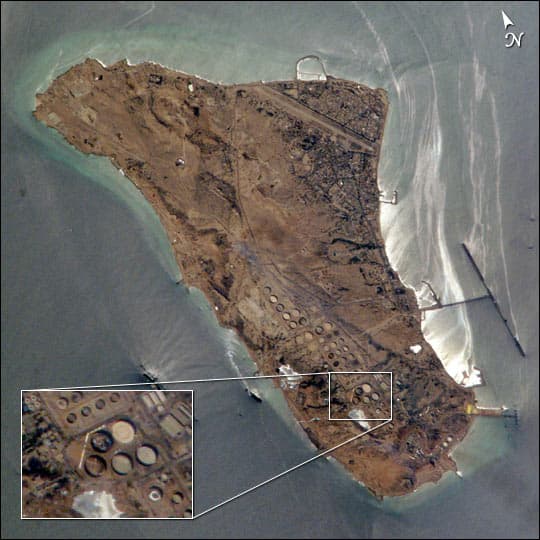
For weeks before American forces arrived offshore, Iran had already been laying traps. Sources familiar with the intelligence told CNN that Tehran moved additional forces and air defenses to Kharg Island, a critical oil export hub in the Persian Gulf, in preparation for what it anticipated would be a U.S. operation to seize it. By the time the Pentagon repositioned ground-capable forces to the region, the island had been transformed into what reporting described as not just an oil hub but a coastal military hub, fortified and primed against an American advance.
The converging military buildups emerged in the wake of Iran's rejection of U.S. negotiations, a decision that accelerated American planning for potential weeks of ground operations targeting the island. Recent U.S. strikes had already hit more than 90 Iranian military targets on Kharg, including missile storage bunkers and naval mine facilities. Iranian forces simultaneously increased military readiness across the broader region, extending the defensive posture well beyond the island itself.
The Pentagon moved around 1,000 paratroopers from the Army's 82nd Airborne Division into the region, among them the 1st Brigade Combat Team, a core component of the Immediate Response Force rapid-response unit designed to deploy on short notice to crises anywhere in the world. A few thousand Marines and sailors assigned to the 31st Marine Expeditionary Unit and its Amphibious Ready Group also deployed to the area, led by the amphibious assault ship Tripoli.
Military experts who reviewed the deployment patterns said the moves were not a prelude to a large-scale invasion. The posture pointed instead toward targeted, short-duration missions that could be aimed at delivering a "final blow" if diplomatic options narrowed further. The experts offered a clear caveat: all options for a ground campaign carried high risk.

The operational challenge on Kharg itself underscored those warnings. Any U.S. ground operation targeting the island would face an environment Iran had already prepared and militarized, with the defensive measures put in place over weeks adding layers of complexity to any seizure attempt. Iran's air defenses and the traps positioned on the island meant American forces would not be entering uncontested terrain.
U.S. officials did not confirm any decision. The Pentagon was weighing a range of aggressive options, including expanded strikes and potential ground operations, but no specific plan had been authorized or publicly announced. As planning continued, reports indicated at least 24 people had been killed in Iran as strikes across the country approached record levels, though the precise locations and circumstances of those casualties were not fully established in available reporting.
The Strait of Hormuz shaped every dimension of the strategic calculus. Iran retained the capacity to disrupt shipping through the narrow chokepoint, through which a substantial portion of the world's oil supply flows, giving Tehran leverage even as American forces positioned nearby. Kharg Island, controlling the departure point for the bulk of Iran's petroleum exports and now ringed with military installations, sat at the center of that calculation, a geographic fact that made any operation there consequential far beyond its immediate military objectives.
This article was produced by Prism’s automated news system from verified source data, official records, and press releases, then run through automated quality and moderation checks before publishing. The system is built and supervised by the people who set the standards it runs under. Read our full AI policy.
Did this article answer your question?


