Pentagon pushes defense contractors to speed weapons production as stocks dwindle
The Pentagon is pressing contractors to refill stocks of interceptors, missiles and shells after the Iran war burned through much of the arsenal.
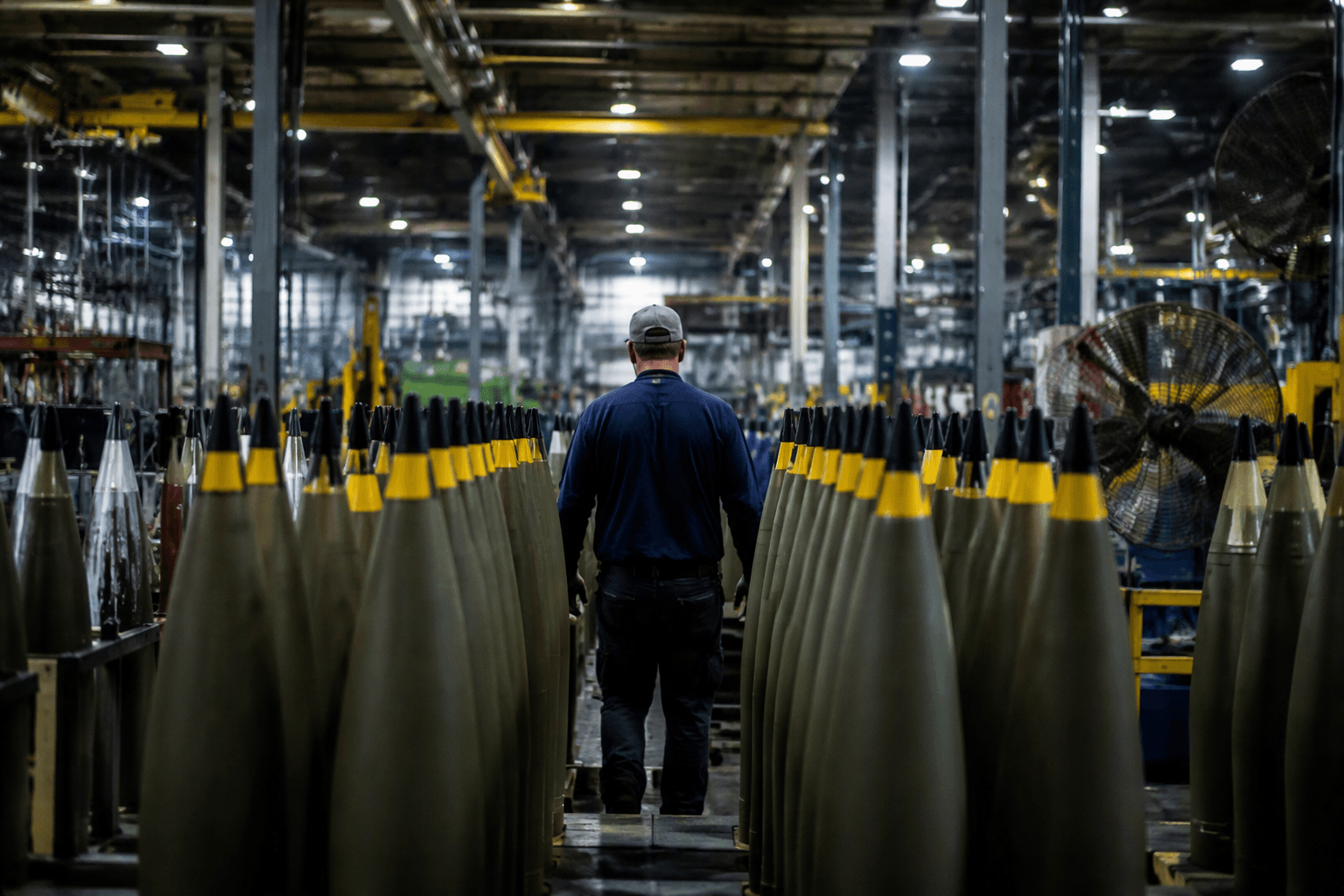
Deputy Defense Secretary Steve Feinberg pressed defense companies to build weapons faster as the Pentagon moved to replenish depleted stockpiles of interceptors, missiles, artillery shells, precision-guided munitions and spare parts. Pentagon spokesman Sean Parnell said the department was focused on boosting munitions acquisitions to provide “the weapons our warfighters need at the pace the threat demands.”
The U.S. military used much of its stockpile of long-range precision missiles during the five-month war with Iran, a pace of consumption that has sharpened worries inside the Defense Department about whether the country can fight a second crisis while still supporting partners abroad. When stocks run low, commanders have fewer interceptors to defend bases and ships, fewer long-range missiles to strike at distance and less margin for error if a regional escalation breaks out.
Weapons production lines depend on long lead times, specialized supply chains and the certainty that government orders will keep coming before factories expand shifts or add capacity. In May, the Defense Department had still not signed new contracts to replenish munitions supplies even as concern over shortages deepened. Last July, U.S. shipments of some air-defense missiles to Ukraine slowed or were halted because stocks were too low.
President Donald Trump demanded answers from Defense Secretary Pete Hegseth at Camp David on Aug. 5 over what he described as extreme munitions shortages, and he was frustrated days later by the strain tied to the Iran war. The concerns were not limited to one category of weapon: the anxiety spans interceptors, missiles, artillery shells, precision-guided munitions and the spare parts needed to keep existing systems in the field.
This article was produced by Prism’s automated news system from verified source data, official records, and press releases, then run through automated quality and moderation checks before publishing. The system is built and supervised by the people who set the standards it runs under. Read our full AI policy.
Did this article answer your question?