Pentagon raises Israel spying threat level to critical amid tensions
The Pentagon quietly pushed Israel’s counterintelligence risk to “critical,” with U.S. officials citing concerns over surveillance of top officials and Trump’s Middle East deliberations.
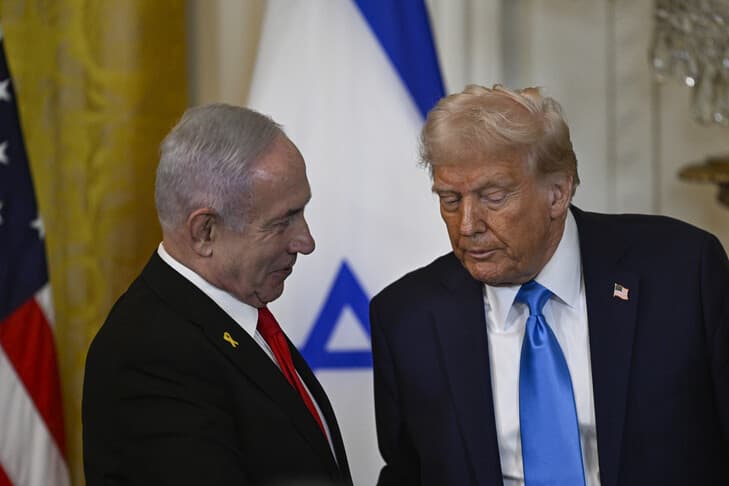
The Defense Intelligence Agency has raised Israel to the highest counterintelligence threat tier used in this context, reflecting mounting concern inside the Pentagon about Israeli spying on the United States. U.S. officials said the reassessment came in recent weeks amid sharper tensions over the war with Iran and worries that Israeli efforts to collect intelligence had become more aggressive than usual.
The move was based on a broader review of foreign intelligence threats, not a single episode, and the officials said they were not aware of one incident that alone triggered the change. But the concerns were specific: surveillance of top U.S. officials and attempts to learn details of the Trump administration’s internal deliberations and decision-making on Middle East conflicts. A seven-page DIA document with a chart reportedly described Israel’s human espionage and technical collection capabilities as at a “critical level.”
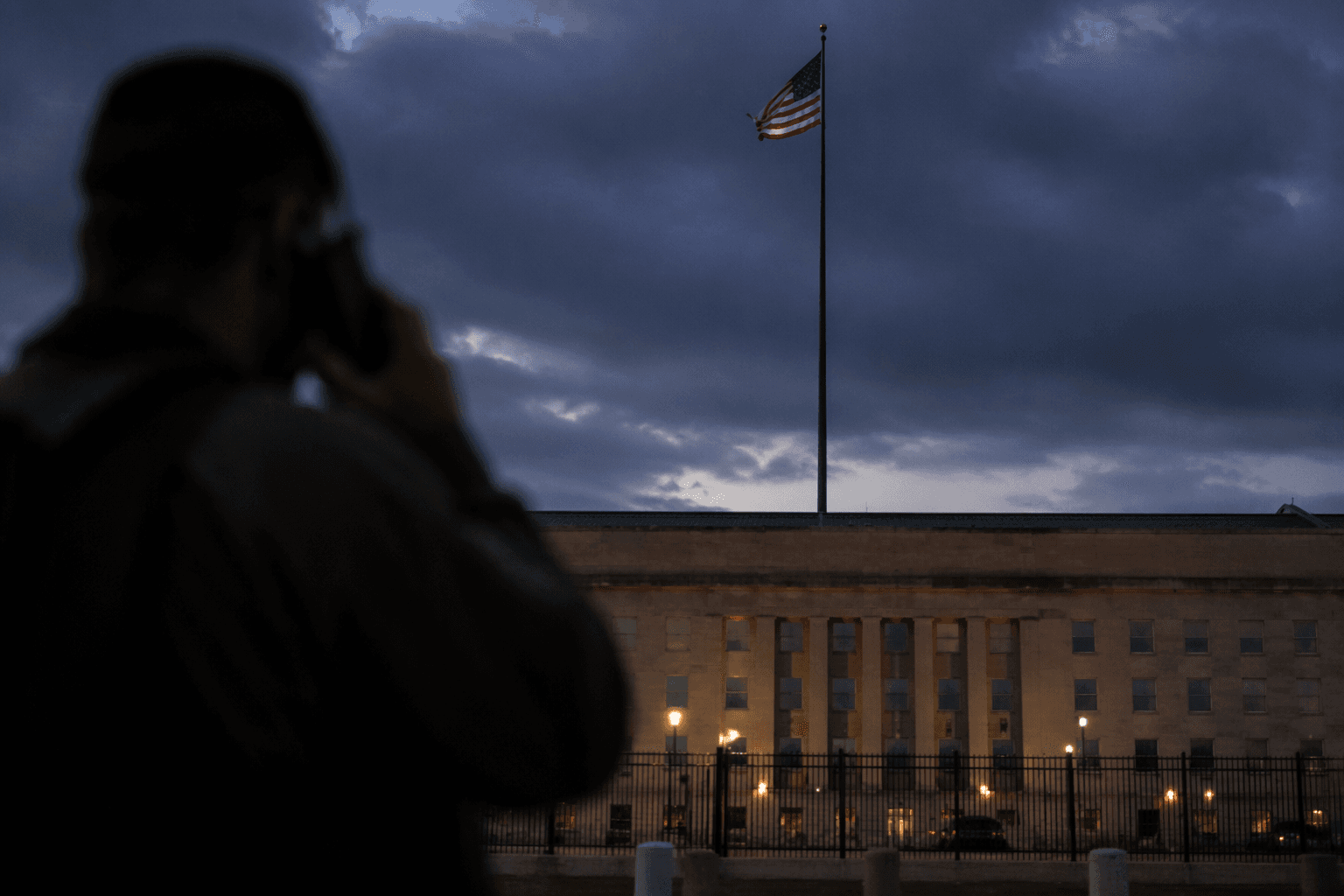
The practical effect, officials said, is likely to be heightened caution among U.S. officials traveling to Israel or meeting with Israeli officials. The Pentagon did not publicly comment on the reassessment. The Israeli embassy in Washington denied the allegations and called them false, while a White House official rejected the story and said the source lacked knowledge of what was going on.
The report lands in a relationship that has long mixed strategic dependence with intelligence mistrust. Israel remains a U.S. Major Non-NATO Ally, a formal designation that underscores the depth of the security partnership even as counterintelligence concerns persist. That tension has a painful precedent: Jonathan Pollard was arrested outside the Israeli Embassy on November 21, 1985, for spying for Israel and later sentenced to life in prison in 1987, one of the most damaging espionage cases in the history of the alliance.
The DIA’s counterintelligence officers are charged with safeguarding the nation from foreign adversarial threats and detecting, identifying, assessing, exploiting, countering and neutralizing damaging efforts by foreign entities. That mandate now appears to be colliding with one of Washington’s closest security relationships, as officials confront how far the rift with Benjamin Netanyahu’s government has widened and what changed enough to push Israel into the “critical” category.
This article was produced by Prism’s automated news system from verified source data, official records, and press releases, then run through automated quality and moderation checks before publishing. The system is built and supervised by the people who set the standards it runs under. Read our full AI policy.
Know something we missed? Have a correction or additional information?
Submit a Tip