Pentagon releases decades of UFO files, including Apollo-era images
The Pentagon posted 162 UFO files, including Apollo-era photos, but the release also showed how much still remains unresolved.

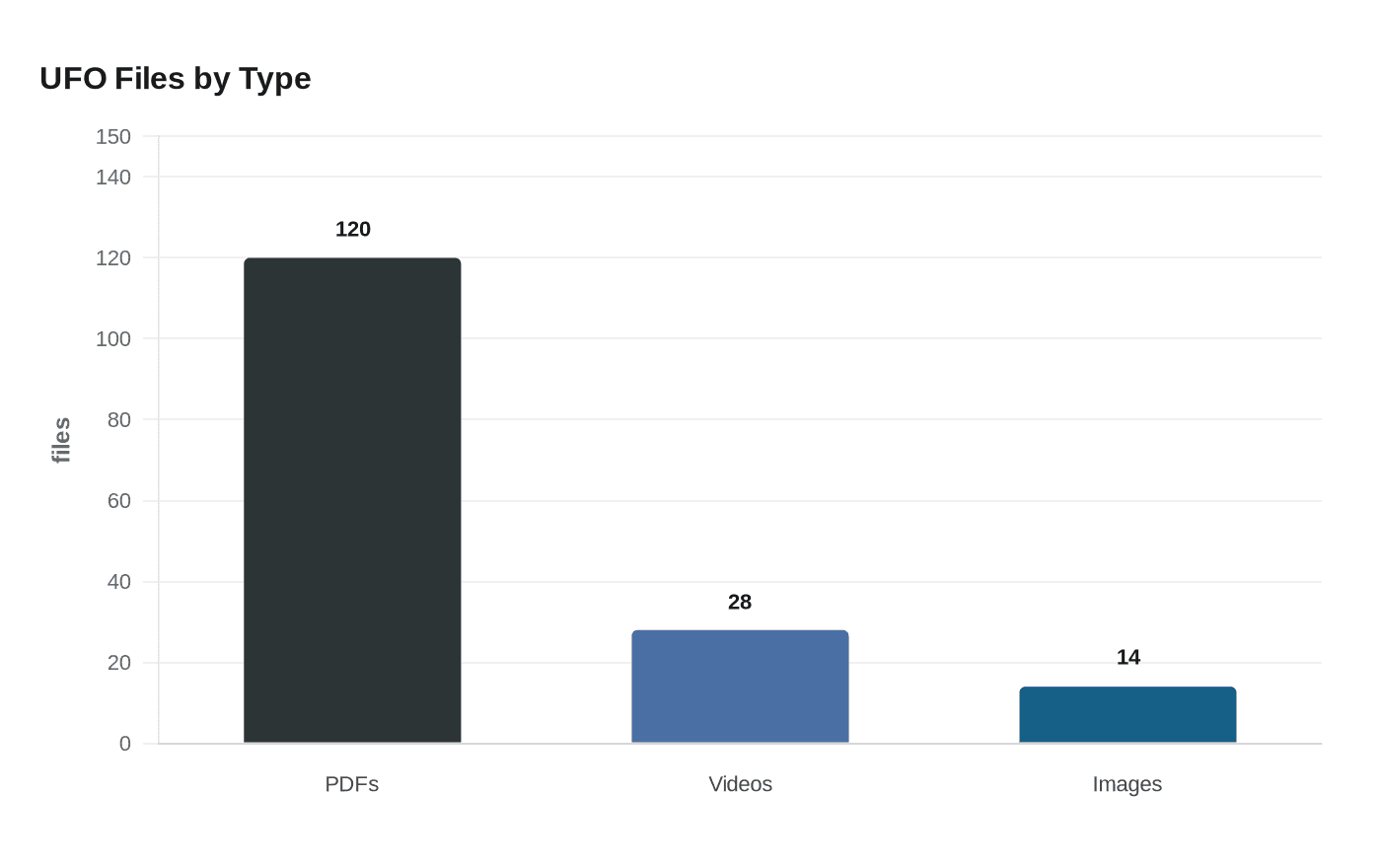
The Pentagon opened a new UFO website Friday with 162 files drawn from the FBI, Defense Department, NASA and the State Department, a disclosure that reaches back to the late 1940s and includes eyewitness accounts, photos and reports from around the globe. The first batch contains 120 PDFs, 28 videos and 14 image files, and the department said more material would be added on a rolling basis as part of President Donald Trump’s transparency push.
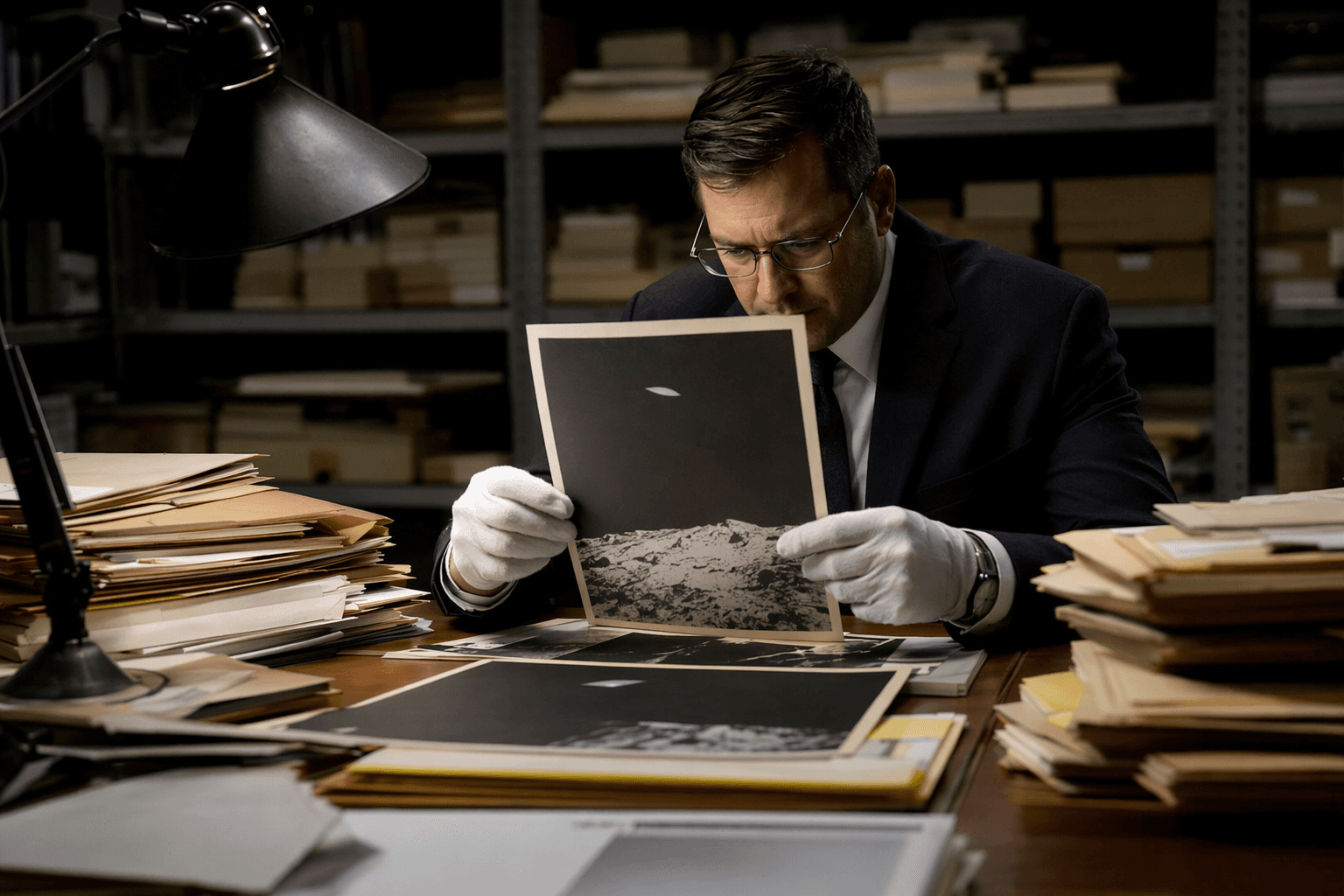
The most striking new material is also the most ambiguous. Six of the released photos show phenomena observed during the Apollo 12 and Apollo 17 missions, including a December 1972 Apollo 17 image described as three dots arranged in a triangular formation in the lunar sky. The Pentagon said that image had been released before, but said the military and NASA were conducting a fresh review of the original film. Its preliminary analysis suggests the feature may be the result of a physical object in the scene, a reminder that old files can still produce new interpretations without settling the underlying question.
That uncertainty is central to the Pentagon’s current framework. The All-domain Anomaly Resolution Office defines unidentified anomalous phenomena as airborne, transmedium or submerged objects that are not immediately identifiable and that show behavior or performance characteristics suggesting anomalous detections. AARO says no single explanation accounts for most UAP reports, and the government’s 2021 task force report found no evidence that the objects were extraterrestrial or from a foreign adversary. Nearly all of the incidents reviewed in that report remained unexplained because of limited high-quality data.
The numbers in that earlier review underscore the limits of the record. Officials said they had high confidence identifying only one case as a deflating balloon. The report covered 144 sightings, including 80 involving multiple sensors and 11 near misses. In other words, the government has learned enough to rule out some claims, but not enough to close the case on most of them.
The archival backdrop is just as revealing as the new files. A Defense Department inspector general summary says the Air Force’s Project SIGN began in 1949 and Project BLUE BOOK ran from 1952 to 1969. AARO’s historical review goes back to 1945 and says some sightings may have been misidentified experimental or operational systems, including stealth technologies and drone platforms. The National Archives is digitizing historical UAP records on a rolling basis, but the latest release makes clear that transparency is advancing faster than certainty.
Know something we missed? Have a correction or additional information?
Submit a Tip