Pentagon releases video of strikes as U.S.-Iran tensions escalate
The Pentagon’s strike video underscored how fast the fight is widening, after a U.S. Apache was shot down near the Strait of Hormuz and both sides traded new attacks.
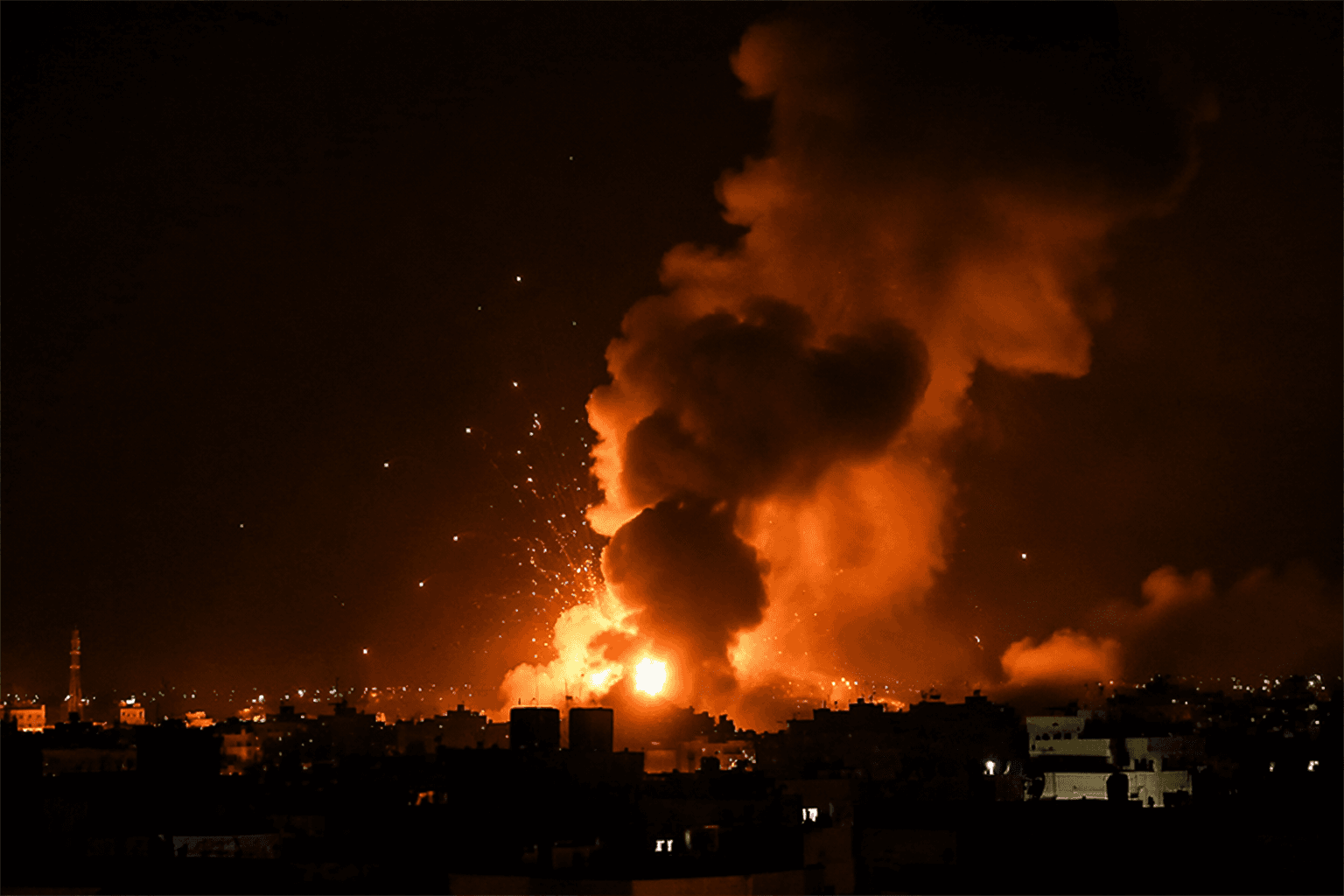
The Pentagon’s newly released video of missile launches put a sharp visual edge on a fast-moving exchange with Iran, one that has already put U.S. troops, Gulf shipping lanes and energy markets on edge. U.S. Central Command said the latest strikes were a self-defense response to continued Iranian aggression, and they began at 5:15 p.m. ET.
The chain of escalation moved quickly after a U.S. Army Apache helicopter went down near the Strait of Hormuz on June 9. President Donald Trump said Iran shot down the aircraft, and U.S. officials said the two pilots survived and were rescued. The attack set off another round of U.S. strikes the next day, with CENTCOM saying it targeted multiple sites in Iran, including defense and radar facilities near the Strait of Hormuz and drone command-and-control sites.
The Pentagon said the action was meant to protect U.S. troops from threats posed by Iranian forces. Earlier in the confrontation, CENTCOM had already carried out what it called proportional self-defense strikes in southern Iran, including against missile launch sites and boats laying mines. On June 1, U.S. forces also struck radar and drone-control sites on Qeshm Island and in Geruk after Iranian aggression.
The standoff carries broader consequences because it reaches far beyond the immediate exchange of fire. The Strait of Hormuz is one of the world’s most important energy chokepoints, and disruptions there have already rattled global supply routes and pushed gasoline prices higher. Any sustained threat to traffic through the waterway would quickly ripple through oil markets, shipping insurance costs and the wider economy.
Iran has framed the danger differently. Foreign minister Abbas Araqchi warned that foreign forces in the region risked accidents or crossfire, signaling that Tehran sees the presence of outside militaries as part of the problem even as it absorbs the latest U.S. strikes. The confrontation is also tied to Iran’s nuclear program and its stockpile of enriched uranium, making it harder for Washington to separate military pressure from diplomacy.
The White House is now balancing those risks against the possibility of a wider regional war. Officials have signaled that more military action could follow even as ceasefire or settlement talks continue, leaving U.S. commanders with a narrowing window to deter Iran without triggering a broader conflict that could draw in shipping, energy infrastructure and American forces across the region.
This article was produced by Prism’s automated news system from verified source data, official records, and press releases, then run through automated quality and moderation checks before publishing. The system is built and supervised by the people who set the standards it runs under. Read our full AI policy.
Know something we missed? Have a correction or additional information?
Submit a Tip