Pentagon Reports Iran War Burned $5.6 Billion in Munitions Within First 48 Hours
U.S. military operations against Iran have consumed billions in weapons at a staggering daily rate, with Congress facing pressure to approve emergency war funding.

The United States burned through $5.6 billion in munitions during just the first two days of military operations against Iran, according to a report provided to congressional committees, as the Pentagon disclosed that the first full week of fighting cost approximately $6 billion in total, with roughly $4 billion of that spent on munitions and high-end missile defense interceptors.
Defense Department officials cautioned Congress that even those figures exclude many costs tied to the broader military buildup, meaning the true financial exposure is substantially higher than the numbers currently in circulation. A separate figure of $11.3 billion for the first six days has been reported but has not been independently corroborated by primary Pentagon documents.
The scale of weapons consumption reflects the operational intensity of the campaign. Gen. Dan Caine, chairman of the Joint Chiefs of Staff, said U.S. forces have struck more than 5,000 targets in Iran and sunk more than 50 Iranian vessels. Over a hundred precision weapons, including Tomahawk cruise missiles manufactured by Raytheon and costing approximately $1.3 million each, have been launched since the outbreak of fighting. Interceptor missiles fired to shoot down Iranian ballistic missiles cost millions of dollars apiece, compressing enormous financial pressure into each exchange.
The military impact has been significant. Adm. Brad Cooper, head of U.S. Central Command, said Iran's ballistic missile launches have fallen 90 percent since the first day of fighting and drone attacks are down 83 percent. Yet Iran retains an estimated half of its missile program, and Defense Secretary Pete Hegseth warned that the U.S. is poised to carry out its "most intense set of strikes inside Iran."
Airstrikes have shaken both Beirut and Tehran, and oil prices have surged past $100 a barrel, signaling the economic shockwaves radiating well beyond the battlefield.
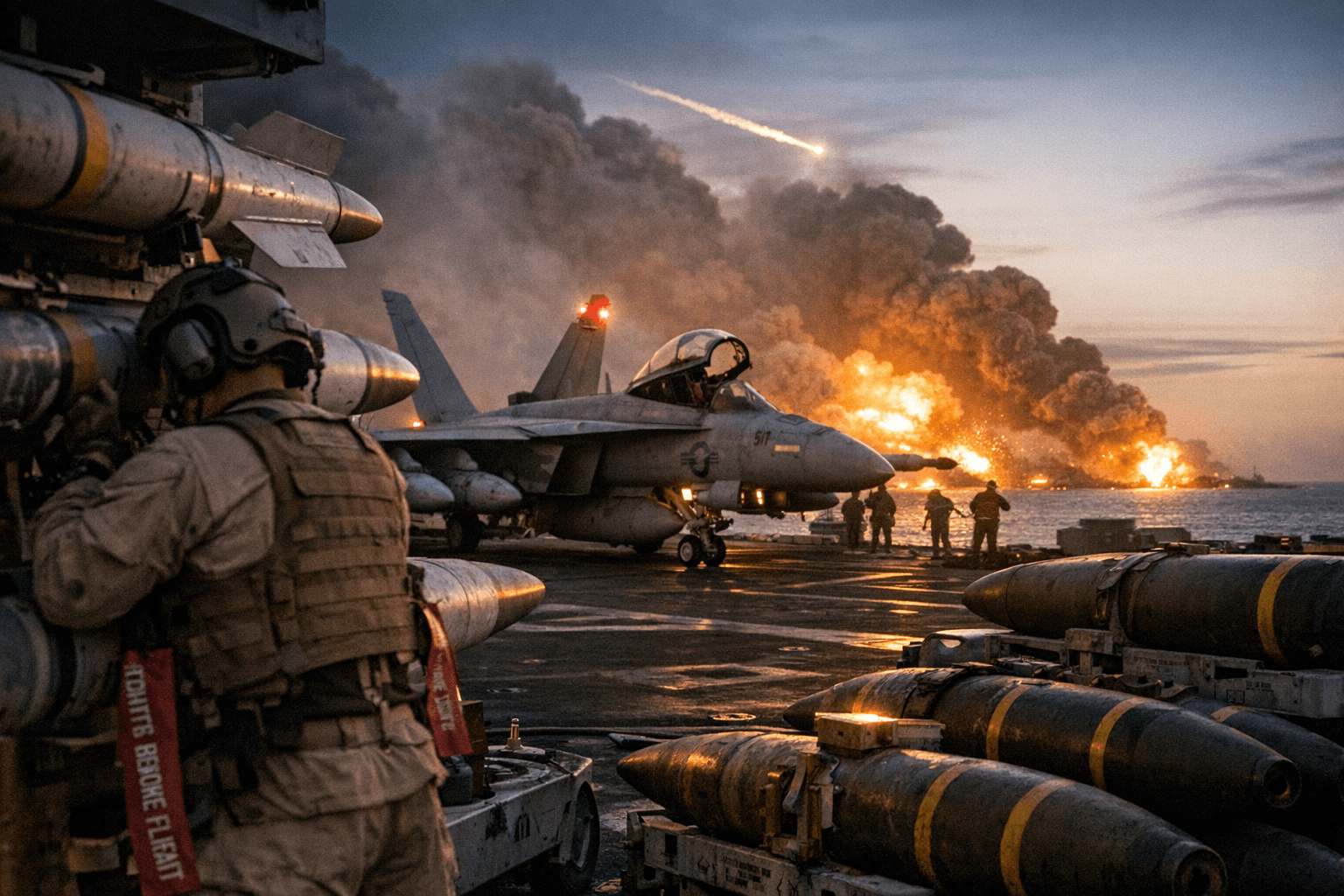
The financial projections from independent analysts are equally striking. The Center for Strategic and International Studies estimated that more than 2,000 munitions of various types were expended in the first 100 hours of the war, and that replacing those weapons on a like-for-like basis would cost $3.1 billion, with replenishment costs rising by $758 million per day thereafter. Kent Smetters, director of the Penn Wharton Budget Model, assessed that early-stage costs could reach $2 billion per day, though he expects that pace to fall. "After the first few days, we think it is closer to $800m per day," Smetters said. "But $2bn per day on a sustained basis seems very hard to believe, even with modern equipment that generally costs a bit more."
In Congress, the financial drumbeat is generating political friction. Members have expressed alarm that the conflict is depleting U.S. military stockpiles at a moment when the defense industry is already struggling to meet demand. Congressional aides expect the White House to submit a supplemental funding request soon, with some officials placing the figure at $50 billion and others warning that estimate may fall short.
Senate Minority Leader Chuck Schumer framed the debate in broader terms. "When it comes to sending our servicemembers into harm's way, the American people need to understand why," Schumer said. "But right now, they don't even have a 'why.' That needs to change."
The supplemental request, whenever it arrives, will force a congressional reckoning over both the cost and the justification for a war whose financial meter is running at a pace Washington has rarely seen outside of the largest conflicts in its modern history.
This article was produced by Prism’s automated news system from verified source data, official records, and press releases, then run through automated quality and moderation checks before publishing. The system is built and supervised by the people who set the standards it runs under. Read our full AI policy.
Did this article answer your question?