Pentagon says 1.5 million personnel now use generative AI tools
The Pentagon says 1.5 million workers now use GenAI.mil, turning AI into routine bureaucracy and sharpening questions about who reviews machine-drafted reports.

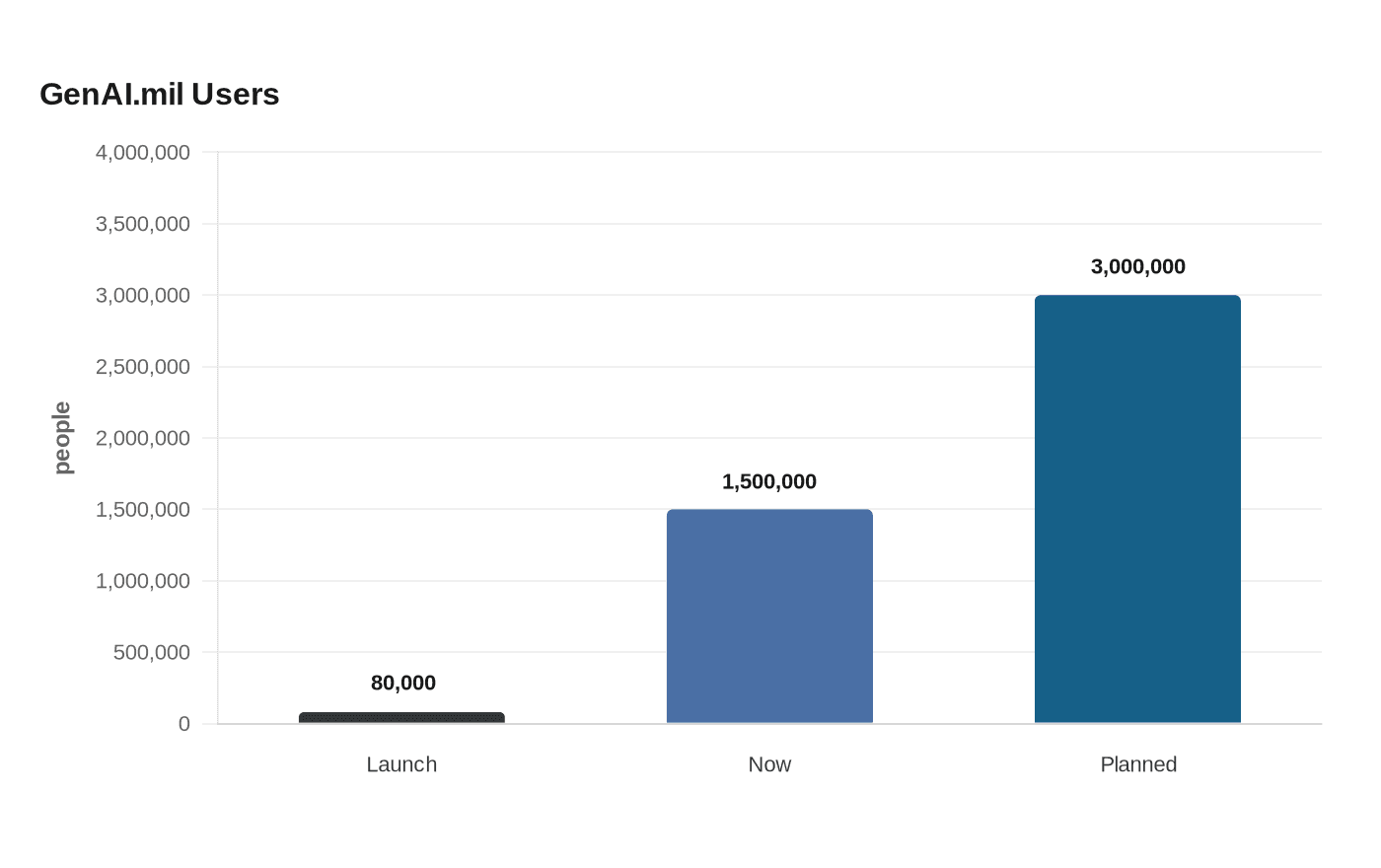
The Pentagon says 1.5 million Defense Department personnel are now using its enterprise generative AI platform, GenAI.mil, a surge from roughly 80,000 daily users when the system launched in December 2025. The scale of adoption marks a shift from experimentation to everyday bureaucracy, and it raises a sharper oversight question: when AI helps draft reports that Congress expects the military to produce, who checks the facts before those documents leave the building?
The department has framed the rollout as a broad transformation, not a narrow pilot. A January 2026 AI strategy said GenAI.mil was intended to put AI models directly in the hands of about three million civilian and military personnel at all classification levels. The department’s 2023 Data, Analytics, and Artificial Intelligence Adoption Strategy, published on November 2, 2023 by Deputy Secretary of Defense Kathleen H. Hicks, centralized the Pentagon’s data and AI approach and signaled that the push was becoming institutional rather than experimental.
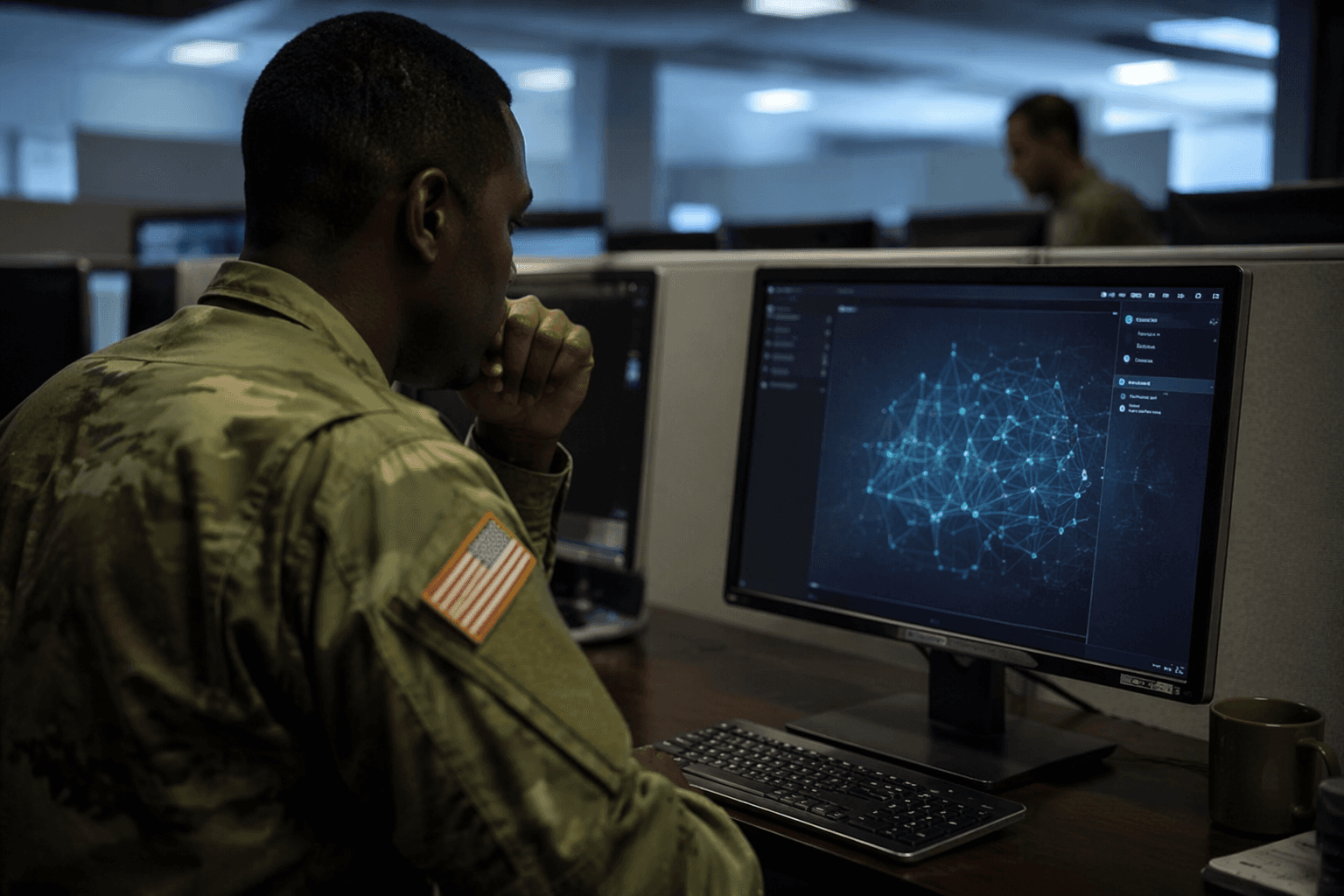
That planning followed the creation of Task Force Lima in August 2023, which the department said was chartered to focus its exploration and responsible fielding of generative AI capabilities, including large language models. The task force was set up to evaluate where generative AI could be used and how to deploy it securely, a sign that Pentagon leaders knew the technology would spread quickly across administrative and operational work.
The next year, the Pentagon released its Responsible AI Strategy and Implementation Pathway in June 2024. That guidance said the department had to demonstrate that its commitment to lawful and ethical behavior applied when designing, developing, testing, procuring, deploying and using AI. It also said the department must ensure that its citizens, warfighters and leaders can trust AI outputs. That language matters now that generative AI is being used at department scale, because trust is harder to measure than usage.
Watchdogs and critics have warned that generative AI still brings unresolved risks around reliability, bias, security and oversight. Those concerns are especially acute if machines are helping draft congressionally mandated reports, where accuracy and transparency are part of democratic control over the military. The Pentagon’s own numbers show how far the technology has moved into routine work. The remaining test is whether human review keeps pace with the speed of the rollout.
This article was produced by Prism’s automated news system from verified source data, official records, and press releases, then run through automated quality and moderation checks before publishing. The system is built and supervised by the people who set the standards it runs under. Read our full AI policy.
Did this article answer your question?