Pentagon to halt officer placements at Ivy League and top universities
Defense Secretary Pete Hegseth ordered the Pentagon to stop sending officers to Ivy League and select top universities beginning in the 2026-27 academic year, citing ideological concerns.
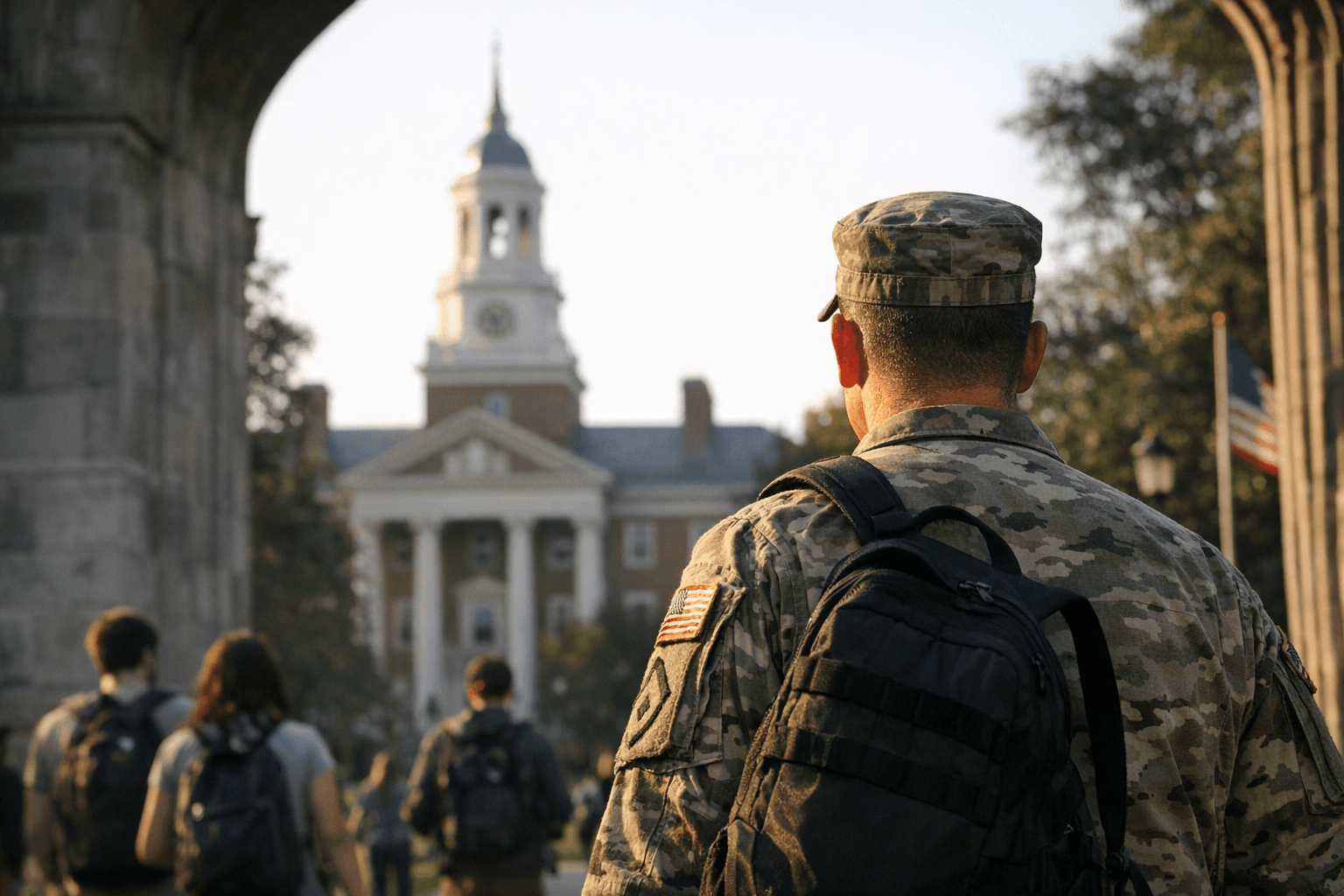
Defense Secretary Pete Hegseth ordered the Defense Department to stop sending officers to professional courses and graduate programs at Ivy League and select other top universities beginning with the 2026-27 academic year. The directive, announced Feb. 27, follows earlier Pentagon action to end military training, fellowships and certificate programs with Harvard.
Hegseth framed the change as a moral and institutional imperative, saying, “We cannot and will not continue to send our most capable officers, senior officers, into graduate programs that undermine the very values they have sworn to uphold.” In a recorded statement he added, “Today, just like we did with Harvard, I am ordering the complete and immediate cancellation of all Department of War attendance at institutions like Princeton, Columbia, MIT, Brown, Yale and many others, starting next academic year, 2026-2027.” He also described some universities as “woke breeding grounds of toxic indoctrination” and accused them of becoming “factories of anti-American resentment and military disdain.”
The order raises immediate questions about how the Defense Department will implement the halt and how it will affect officers already enrolled or accepted into 2026-27 programs. Pentagon officials have not released an exhaustive list of affected institutions beyond the schools named by the secretary, nor have they published the administrative guidance that would govern contracts, tuition assistance or fellowship commitments.
The decision comes as part of a broader set of personnel and partnership actions from the Pentagon. Hegseth said he had “very seriously” considered ending Pentagon support for Scouting America before meeting with its leadership. Pentagon officials say Scouting America signed a memorandum of understanding committing to remove diversity, equity and inclusion language from its programs, eliminate a “citizenship in society” merit badge that required Scouts to “realize the benefits of diversity, equity, inclusion and ethical leadership,” and introduce a new military service merit badge. Officials said membership in the organization will be based on a child's sex assigned at birth, with applications limited to two designations that must match a birth certificate. Hegseth said Scouting America “eventually agreed to 'key reforms' after discussions with officials at the Department of War, formally known as the Department of Defense.”
Beyond immediate personnel consequences, the policy carries implications for military readiness, public health partnerships and equity in the officer corps. Universities provide specialized training in areas ranging from cybersecurity to public health, and long-standing military-university exchanges have supported collaborations on epidemic response, trauma research and health-disparity interventions that affect service members and surrounding communities. Limiting where officers can study may narrow the Defense Department's access to academic expertise in biodefense, health systems and social determinants of health.
The move could also reshape pipelines that diversify military leadership. Graduate programs and fellowships at elite universities have been a route for officers to gain advanced skills and networks that influence promotion and assignment. Cutting those pathways may disproportionately affect officers who rely on institutional sponsorship to access selective programs, with downstream effects on representation and career mobility.
Officials at the Defense Department have been asked to provide the full text of Hegseth’s directive, a list of covered institutions and guidance on how the policy will affect current enrollees and civilian employees. University leaders and public health researchers will be watching for clarity on contracts, research partnerships and joint training initiatives that extend beyond academic coursework into community health and service member wellness.
Know something we missed? Have a correction or additional information?
Submit a Tip