Perseids, partial solar eclipse lead four celestial events next week
The Perseids peak with a partial solar eclipse and a Jupiter-Venus pairing, making Aug. 12 unusually crowded for skywatchers.
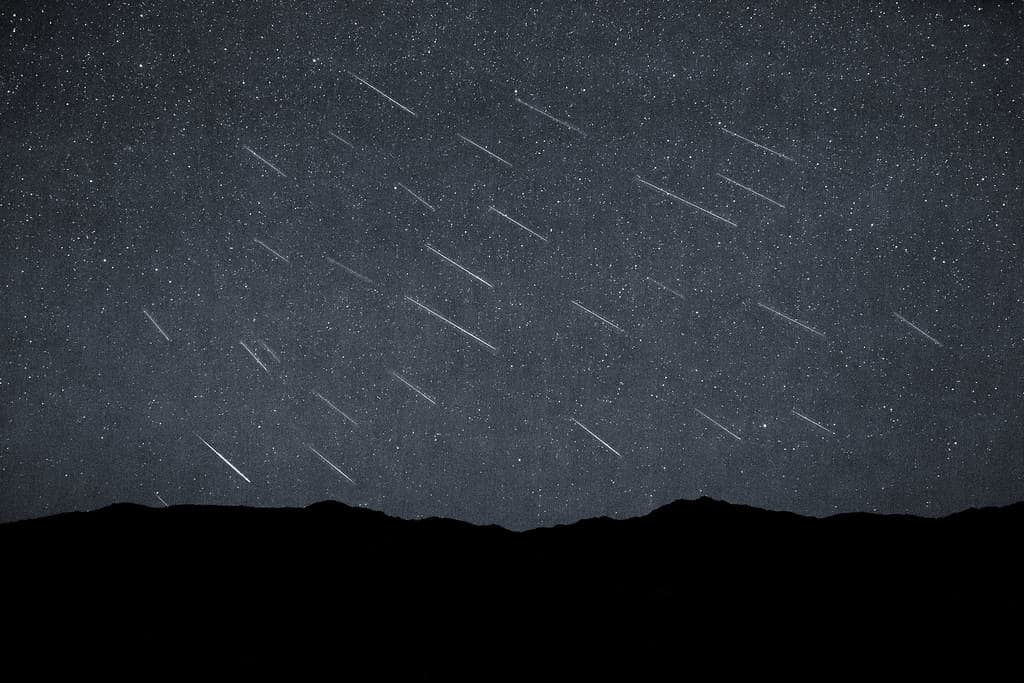
The American Meteor Society puts the Perseid meteor shower peak on the night of Aug. 12-13, alongside a partial solar eclipse and a close Jupiter-Venus conjunction. A bright Moon and local weather will decide how much of the show is visible.
The Perseids are active every year from about July 17 to Aug. 24. Under ideal dark-sky conditions, the shower can deliver about 100 meteors per hour. Sky & Telescope's August 7-16 sky chart puts a 90% waxing gibbous Moon in the same window, a phase that will wash out fainter streaks and make dark skies away from city lights far more important than urban backyards.
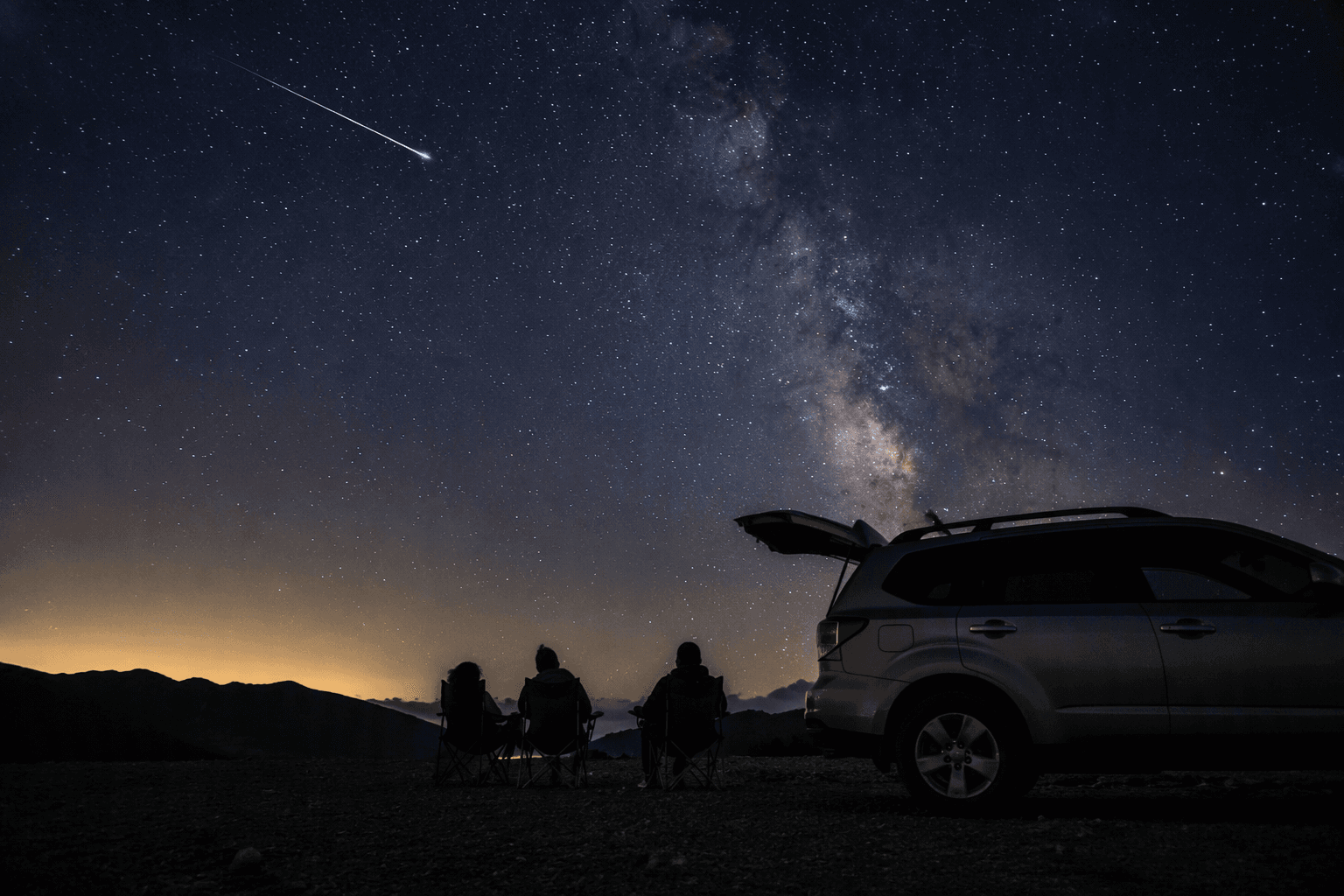
The Perseids will be a naked-eye event, but not from every location. The best viewing usually comes after midnight and into the hours before dawn, when the radiant is higher and the sky is darker, and any passing clouds will cut the count fast. Moonlight can hamper Perseid viewing even when the shower itself stays active.
The other naked-eye target is the Jupiter-Venus pairing. NASA's August 2025 skywatching materials put the two planets at a close conjunction on Aug. 11-12, a pre-dawn sighting that relies on a clear eastern horizon more than on optical gear. Both planets are bright enough to see with the naked eye, but haze, smoke and low clouds can hide the meeting even when the planets are still up.
The partial solar eclipse is the day event. The Royal Observatory Greenwich puts the Aug. 12, 2026 eclipse in the UK and Ireland, where roughly 90% to 96% of the Sun will be covered, and NASA's eclipse materials warn that no solar eclipse should be viewed directly without proper eye protection.
This article was produced by Prism’s automated news system from verified source data, official records, and press releases, then run through automated quality and moderation checks before publishing. The system is built and supervised by the people who set the standards it runs under. Read our full AI policy.
Did this article answer your question?