Perseverance Records Crackling Sounds, Scientists Identify Mini Lightning on Mars
NASA’s Perseverance rover captured brief crackling sounds that a French led research team has interpreted as miniature lightning discharges occurring during dust events. If confirmed, the finding would change scientists’ understanding of Martian atmospheric electricity, alter models of dust storm behavior, and carry practical consequences for future robotic and human missions.
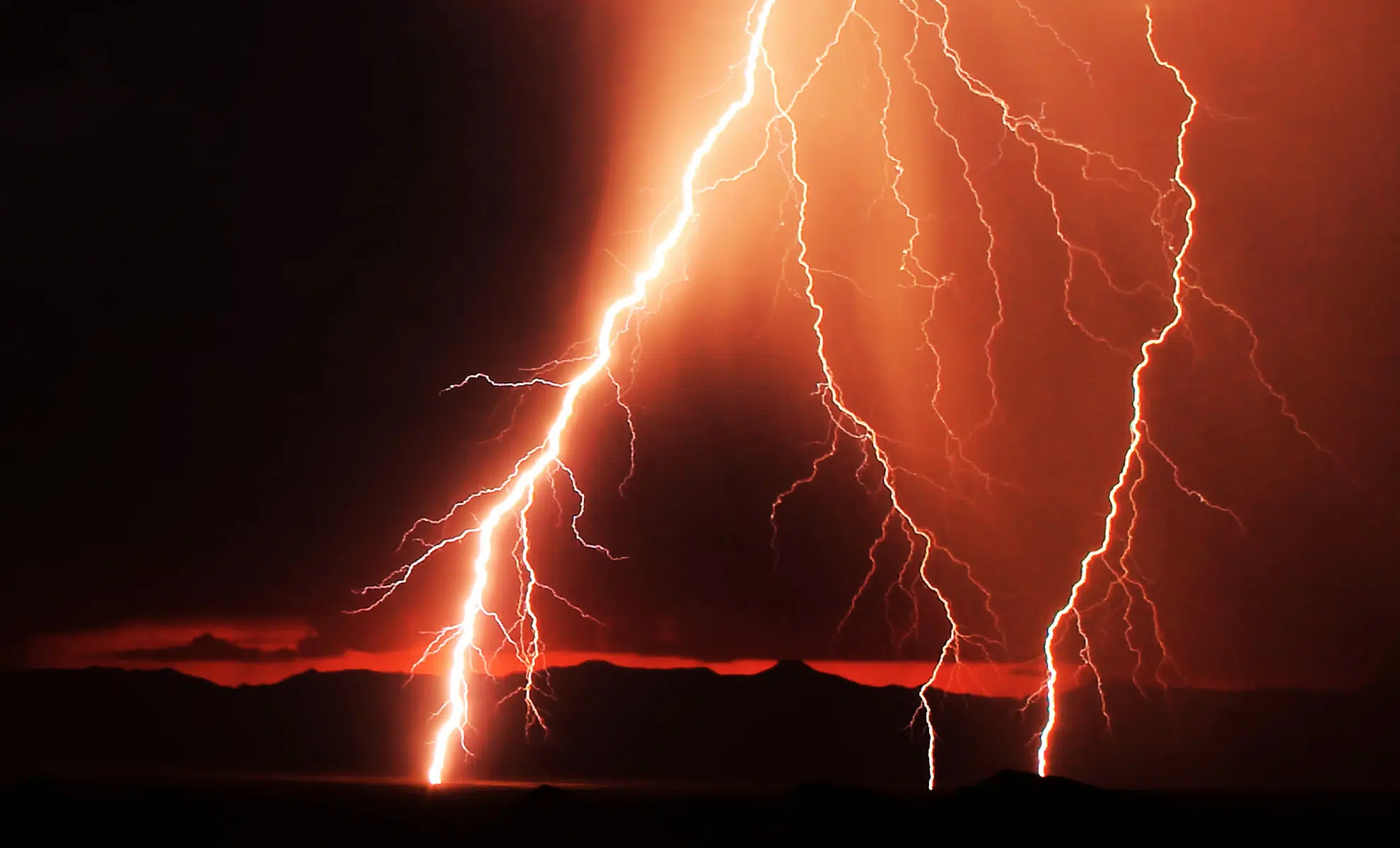
Researchers analyzing two Martian years of acoustic data from NASA’s Perseverance rover reported that they detected 55 short, crackling sounds that they interpret as miniature lightning discharges. The events, described by the team as mini lightning, occurred predominantly on the windiest days and during episodes of dusty weather, including regional dust storms and dust devils. The acoustic detections coincided with electrical signatures recorded by the rover’s atmospheric sensors, strengthening the interpretation that the sounds were linked to transient electrical discharges.
The French led team used the rover’s microphone recordings to pick out brief acoustic impulses and then compared those times with concurrent measurements from instruments that monitor the local atmosphere. The coincidences in time and the clustering during high wind and dusty conditions provided the core evidence for the interpretation. The researchers reported their findings in a paper published November 28, 2025.
Lightning on Mars has been a subject of debate for decades because the planet’s thin atmosphere makes the large scale flashes familiar on Earth unlikely. The new evidence points instead to localized, short lived electrical discharges associated with charged dust. Dust particles that collide and rub together can become electrically charged and create strong, if small, electric fields. On Earth such triboelectric processes are known to accompany volcanic ash plumes and some dust storms, and the Perseverance observations suggest a similar physics may operate on Mars at a smaller scale.
The potential implications extend from basic science to mission planning. Electrically driven chemistry in the atmosphere can create reactive molecules and alter the abundance of oxidants that affect surface materials and any organic molecules present. That process could influence interpretations of past and future searches for signs of ancient life and alter models of how Martian soils age. For engineers, energetic electrical events, even if brief and localized, may pose risks to sensitive electronics, degrade instrument performance through charge accumulation, or affect dust adhesion on solar panels and cooling surfaces.

The detections also offer a new window into the dynamics of Martian dust storms. Understanding how and when dust becomes charged will refine models of storm initiation, particle transport, and atmospheric heating. Those refinements could improve weather forecasting on Mars and inform operational planning for rovers, stationary landers, and eventual human explorers who will operate in highly dusty conditions.
Caution remains warranted. The team characterizes the sounds as crackling and brief and describes accompanying electrical signatures, but the interpretation as lightning is not yet fully conclusive. Additional coordinated measurements, repeated observations during peak dust seasons, and targeted instrument suites on future missions will be needed to confirm that the phenomena are indeed electrical discharges and to quantify their frequency and energy.
If confirmed, the Perseverance findings would mark a new chapter in Mars exploration, showing that the Red Planet hosts active, electrically driven processes at its surface. That discovery would broaden the list of environmental challenges and scientific opportunities that come with sending more sophisticated missions and people to Mars.
This article was produced by Prism’s automated news system from verified source data, official records, and press releases, then run through automated quality and moderation checks before publishing. The system is built and supervised by the people who set the standards it runs under. Read our full AI policy.
Did this article answer your question?