Peru election chief faces resignation calls amid slow, disputed count
Peru’s slow presidential count has turned the tally itself into the fight, with calls for the electoral chief’s resignation as second place remained unresolved.
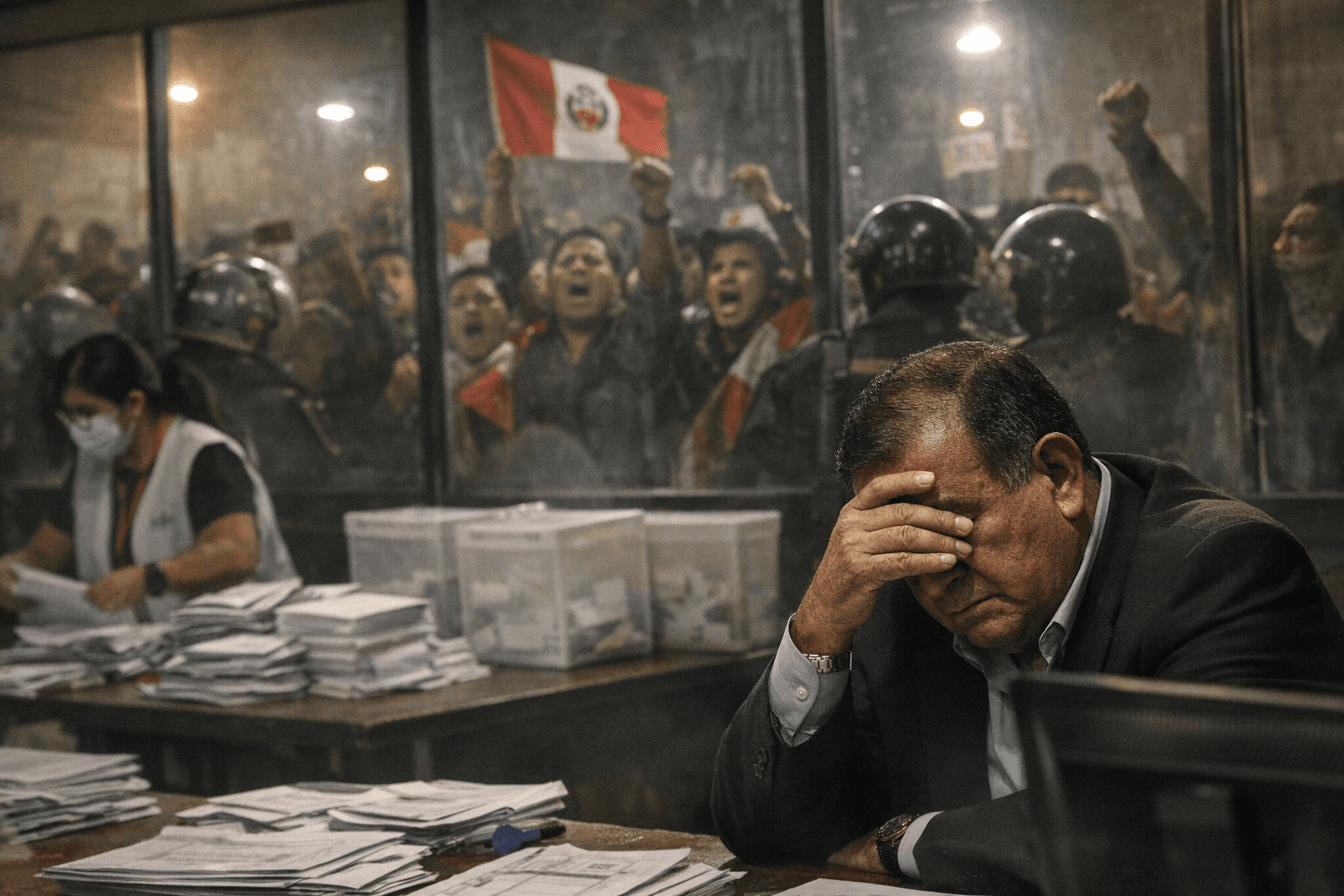
Pressure intensified on Peru’s top elections official as the country’s delayed presidential count became a test of trust as much as a search for a winner. With 93.3% of ballots tallied from the April 12 vote, conservative frontrunner Keiko Fujimori remained firmly ahead, while leftist Roberto Sanchez and ultra-conservative former Lima mayor Rafael Lopez Aliaga were separated by only about 13,000 votes for second place.
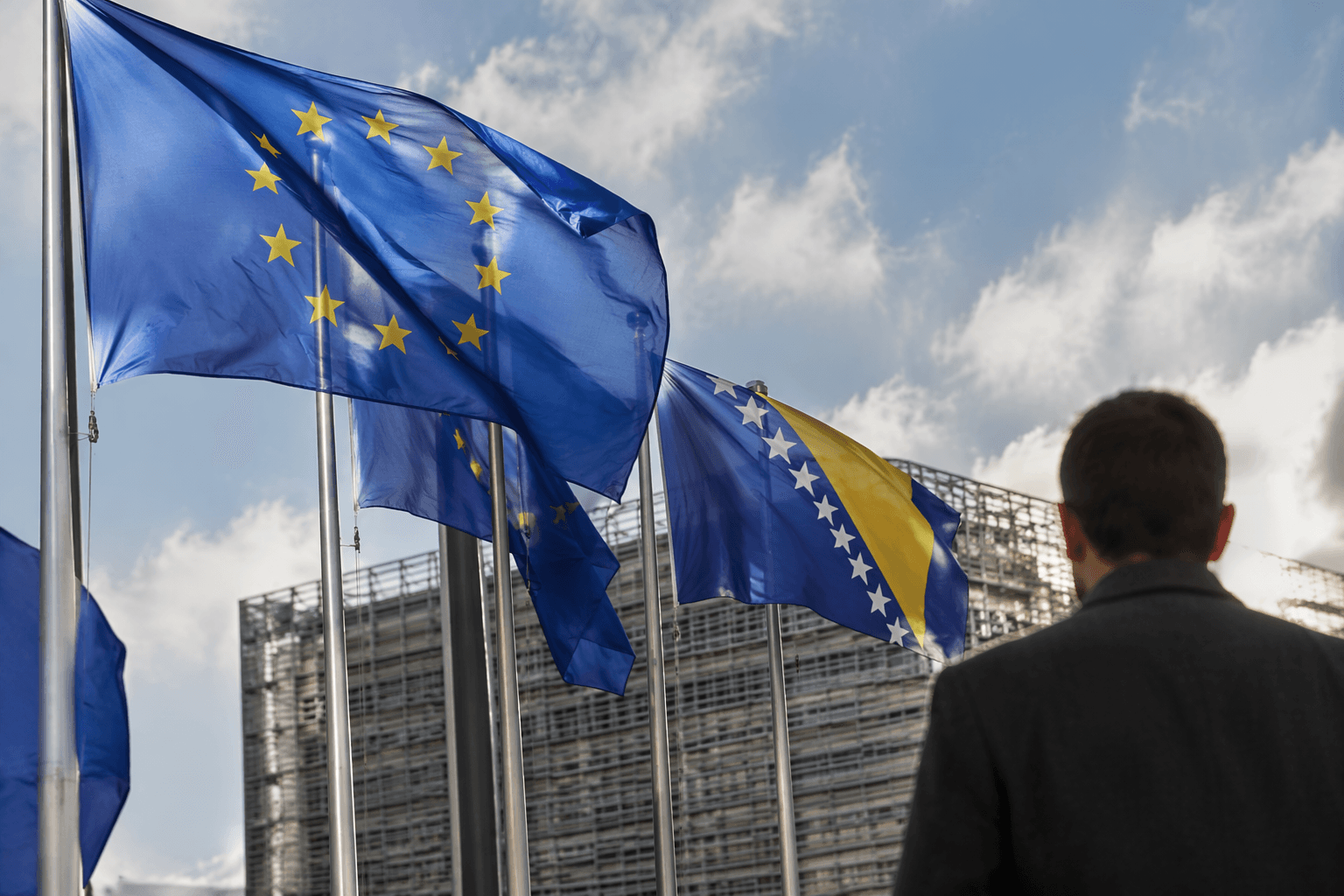
The slow pace has deepened a dispute that now reaches beyond the result itself. Business leaders and lawmakers from across the political spectrum have urged Piero Corvetto, who heads the National Office of Electoral Processes, to step down and leave the second-round process to someone else. The National Jury of Elections has taken the conflict further, filing a criminal complaint against Corvetto over alleged offenses that include violations of voting rights. Lopez Aliaga has pushed fraud allegations and called for the count to be suspended, even as European Union election observers said they saw no evidence of fraud.
Corvetto has acknowledged logistical delays that pushed voting in Lima into an extra day, but he has denied any irregularities. The electoral authority has said about 5% of ballots were flagged for review because of missing information or errors in polling-station records, and those ballots must be examined by a special electoral jury before they can be counted. Election-monitoring group Transparencia said final results could take up to two weeks, a delay that has fed uncertainty in a country already accustomed to unstable politics.
The stakes are unusually high. Peru’s 2026 election was the first in more than 30 years to include a bicameral Congress, and voters were choosing a president, vice presidents, Andean Parliament representatives, senators and deputies all at once. More than 27 million Peruvians were eligible to vote, and ONPE’s own voter guide said a presidential candidate needed more than 50% of valid votes to avoid a runoff. More than 52,000 voters in Lima were given an extra day to cast ballots, along with Peruvians registered in Orlando, Florida, and Paterson, New Jersey.
The broader political backdrop has sharpened the sense of fragility. AS/COA said the winner will replace interim President José María Balcázar, who took office on February 18, 2026, making him Peru’s ninth president in 10 years. Keiko Fujimori’s possible return to a runoff would mark her fourth consecutive second-round appearance, following earlier losses, and the daughter of former President Alberto Fujimori remains the central figure in a race shaped by exhaustion with crime, corruption and chronic institutional churn. In 2021, Peru’s runoff was held on June 6, and the final dispute did not end until July 19, when Fujimori accepted the result in favor of Pedro Castillo. This year’s slow count is reviving the same question before the runoff is even set: whether Peru’s electoral institutions can carry the country through a contested result without further eroding confidence in democracy itself.
This article was produced by Prism’s automated news system from verified source data, official records, and press releases, then run through automated quality and moderation checks before publishing. The system is built and supervised by the people who set the standards it runs under. Read our full AI policy.
Did this article answer your question?