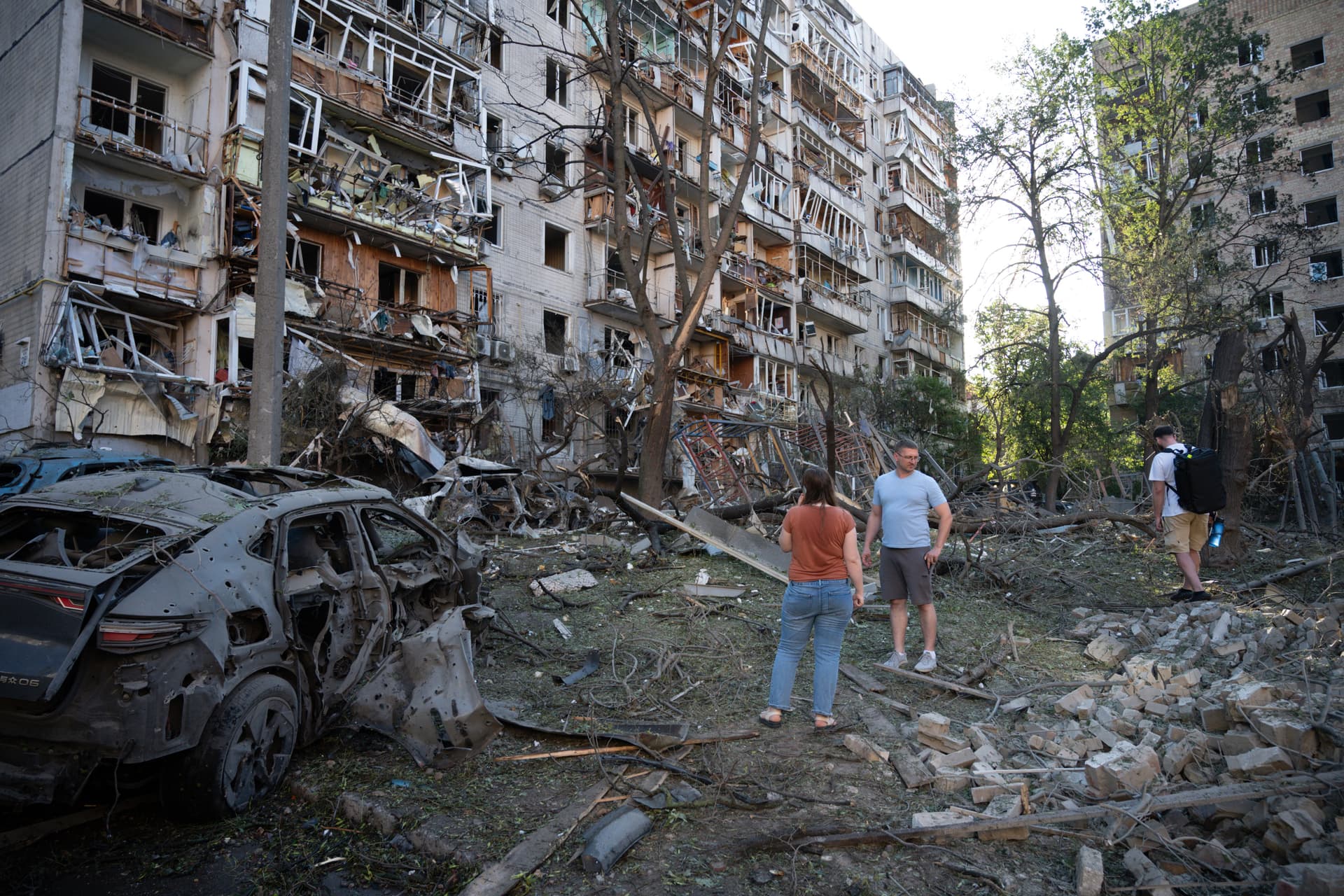
Iran restricts Strait of Hormuz as U.S. renews Russian oil waiver
Tehran floated limits on Hormuz access as Trump renewed a waiver on sanctioned Russian oil, deepening market uncertainty around war, sanctions and nuclear talks.
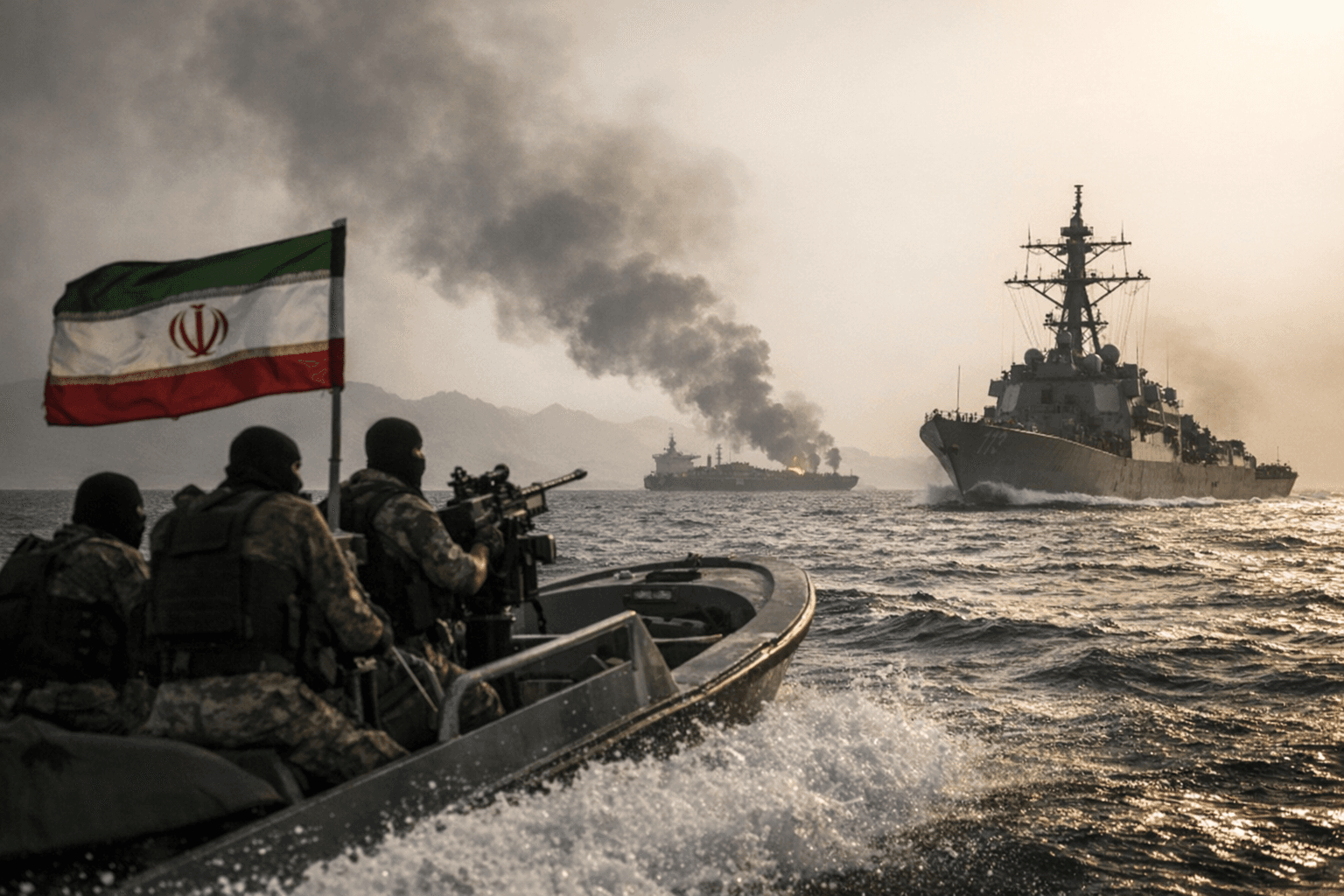
Tehran moved to narrow the terms of movement through the Strait of Hormuz even as Washington tried to steady energy markets with a new waiver for sanctioned Russian oil, a pairing that underscored how fast conflicting signals can ripple through crude prices and U.S. strategy.
Iran proposed that ships could transit the Omani side of the Strait of Hormuz without interference if the United States agreed to conditions meant to prevent renewed conflict. Those demands included relief tied to frozen funds and an end to further U.S. and Israeli strikes, turning the world’s most sensitive oil chokepoint into a bargaining chip in wider diplomacy.
The United States said the strait remained open to non-Iranian traffic, while U.S. Central Command said it was closely monitoring Iranian ports and would keep its blockade in place as long as needed. That gap between Iran’s threats, Iran’s proposals and Washington’s public assurances has left shipping and oil traders parsing every statement for signs of escalation or de-escalation.
At the same time, the Trump administration renewed a waiver on April 17, 2026, allowing countries to buy sanctioned Russian oil loaded onto vessels as of that day through May 16. An earlier one-month waiver had expired around April 11 or April 12. The extension was intended to ease pressure on energy markets as the Iran war rattled oil prices.
The political dispute over Iran’s nuclear program only sharpened the uncertainty. Donald Trump said Iran had agreed to almost everything, including work to remove enriched uranium, and suggested a deal could be signed in Islamabad, where U.S.-Iran talks had taken place and a second round was being discussed. Iran’s Foreign Ministry spokesman, Esmaeil Baqaei, rejected that account, saying the uranium would not be transferred anywhere.
Mohammad Bagher Ghalibaf, the speaker of Iran’s parliament, said Trump had made multiple false claims and warned that navigation in the strait would be governed by Iranian permission and field conditions, not social media. Reuters-linked reporting said the core sticking point remained Iran’s uranium enrichment and highly enriched uranium stockpile, with Washington proposing a 20-year pause and Tehran countering with a 3- to 5-year pause.
The mix of sanctions relief, naval posturing and disputed diplomacy has made uncertainty itself a market force. When access to Hormuz, the flow of Russian oil and the fate of Iran’s uranium stockpile all move at once, every mixed signal can push prices, complicate negotiations and raise the risk of miscalculation.
This article was produced by Prism’s automated news system from verified source data, official records, and press releases, then run through automated quality and moderation checks before publishing. The system is built and supervised by the people who set the standards it runs under. Read our full AI policy.
Did this article answer your question?