Peru election chief resigns amid delays in ballot count, runoff tension
Peru's elections chief quit as a slow ballot count fed distrust ahead of a June 7 runoff, putting the credibility of the vote itself in doubt.
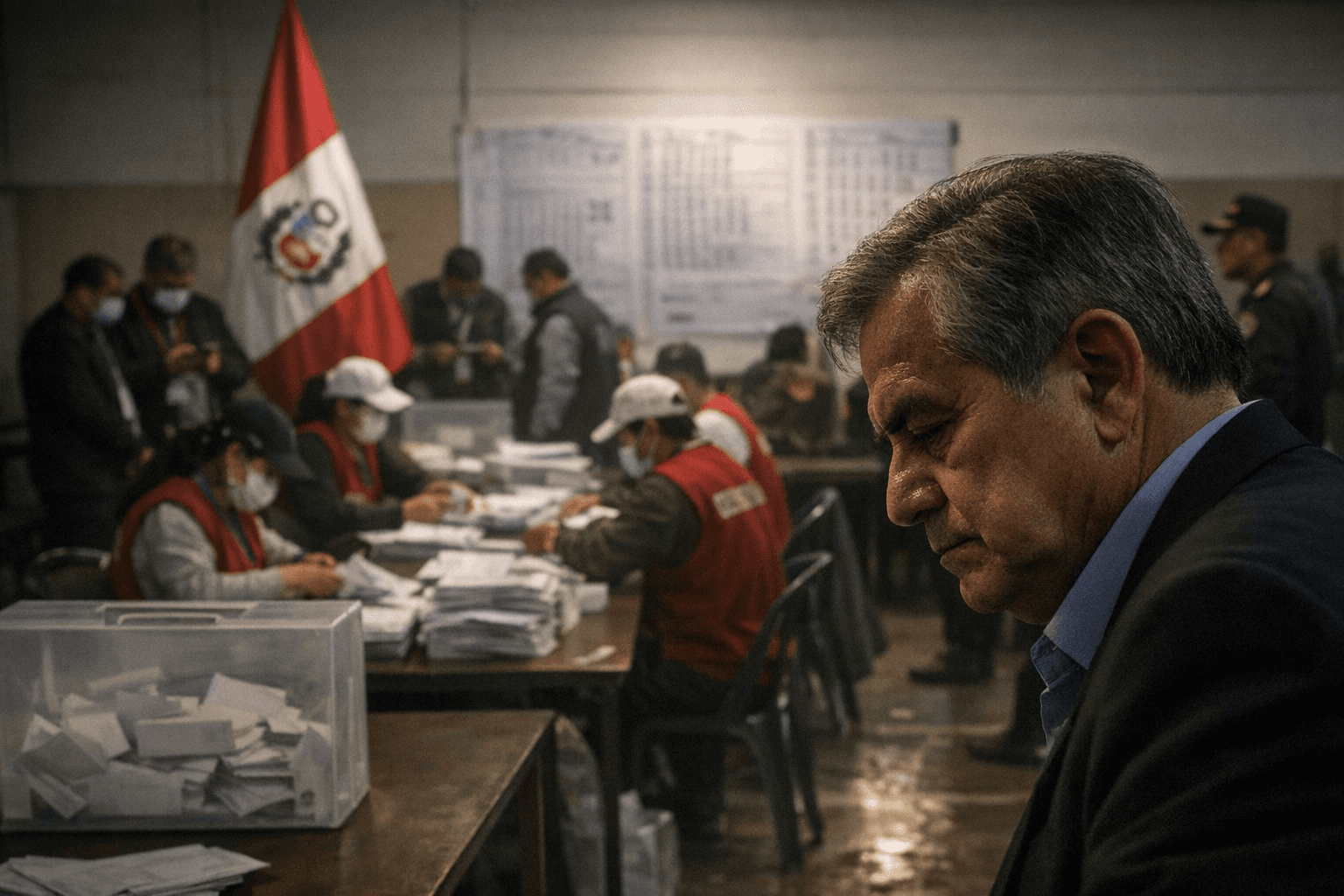
Peru’s top elections official stepped down just as the country’s fragile post-election calm was slipping further out of reach. Piero Corvetto resigned on Tuesday, April 21, after growing pressure over the slow count from the April 12 general election, leaving the integrity of the tally and the authority overseeing it squarely at the center of the runoff fight.
The resignation came at a politically sensitive moment. Peru is headed toward a June 7 presidential runoff, and election officials were still trying to persuade voters that the first-round count had been handled fairly and competently. Corvetto had already acknowledged logistical delays, but he continued to deny that any irregularities had occurred. In his resignation letter, posted on X, he said stepping down was necessary and unavoidable to rebuild public confidence and allow unresolved issues to be investigated.
That distinction matters because the delay itself had become part of the political struggle. Each extra day before results were fully settled fed suspicion, and that suspicion put more pressure on the electoral authority. In a country marked by deep political mistrust and institutional volatility, a drawn-out count does more than slow the calendar. It can turn ordinary administrative problems into a test of whether voters believe the system is neutral at all.
Conservative frontrunner Keiko Fujimori welcomed the move, saying it was good news for Peru and for Peruvians that Corvetto stepped aside with the runoff approaching. Her reaction underscored how quickly a ballot-count dispute can be recast as a broader verdict on legitimacy, especially when the contest remains unsettled and the official responsible for the process is forced out before the next round.
Corvetto’s departure may ease the immediate controversy, but it also opened a new set of questions. Who will oversee the final stretch to the runoff, whether any disputed ballots or administrative errors need further review, and how the electoral authority will restore confidence before voters return to the polls all now hang over the campaign. For Peru’s political class, the episode was a warning that election administration can become as consequential as the race itself when deadlines slip and transparency is questioned.
This article was produced by Prism’s automated news system from verified source data, official records, and press releases, then run through automated quality and moderation checks before publishing. The system is built and supervised by the people who set the standards it runs under. Read our full AI policy.
Did this article answer your question?

