Starmer sacking of top Foreign Office official sparks civil service chill
Starmer’s firing of Sir Olly Robbins over the Mandelson vetting row has rattled Whitehall, with unions warning it could chill future advice.
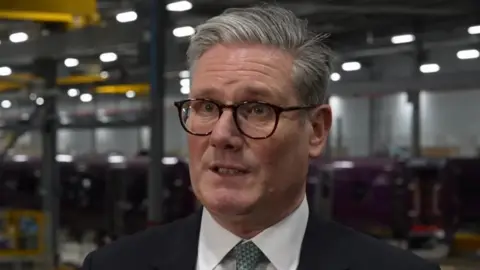
Sir Keir Starmer’s dismissal of Sir Olly Robbins from the Foreign Office has opened a bigger constitutional question than the Mandelson vetting row itself: whether a prime minister is enforcing discipline or sending a warning shot through Whitehall. The sacking of the Foreign Office’s top civil servant last week, followed by Robbins’s appearance before MPs on Tuesday, put civil-service independence at the centre of a dispute that has now run for seven straight days.
Dave Penman, the general secretary of the FDA trade union, said on BBC Newsnight that Starmer was sending a “real chill throughout the civil service.” He added: “I think the prime minister is losing the ability to work with the civil service.” Penman also asked: “Who in the civil service would now think they would be immune from when it is politically expedient to be dismissed?” and warned that “that’s not a place any government wants to be because it doesn’t deliver for the people of the country.”

The immediate trigger was the handling of Peter Mandelson’s appointment as the UK’s ambassador in Washington. The Foreign Affairs Select Committee called Robbins to explain the circumstances of that appointment, the security implications and the recent leaks after reports that UK Security Vetting had recommended against granting Mandelson Developed Vetting. Supporters of Starmer have argued that Robbins’s evidence backed the prime minister’s claim that he did not know the detail of the vetting advice or the conclusions Robbins had been briefed about. Robbins said he had been right not to disclose those details in order to protect the integrity of the vetting system.
The political stakes are not confined to one personnel decision. On Monday, Starmer tried to draw a line under the row, telling MPs: “We have thousands of civil servants who act with integrity and professionalism every day.” But the firing of Robbins, who was appointed Permanent Under-Secretary at the Foreign, Commonwealth and Development Office in January 2025 with the approval of the Foreign Secretary and the prime minister, has already become a signal inside the bureaucracy. Robbins had come into the post after senior roles in the Cabinet Office, HM Treasury, Downing Street, the Home Office and as Theresa May’s chief Europe adviser and Brexit negotiator, replacing Sir Philip Barton after nearly four decades in the FCDO.
That is why the reaction from former senior national security official Ciaran Martin matters beyond the Mandelson case. Martin said he “cannot comprehend the basis” for Robbins’s dismissal and warned it could have a “detrimental, chilling effect on serving civil servants.” He said vetting is a risk assessment, not a simple pass-fail test, and argued ministers are normally not told the details because the system would collapse if they were. Dame Emily Thornberry, who chairs the committee, later said she also concluded that it was right that Robbins had lost his job. The result is a sharper divide between Downing Street and the civil service at the moment Starmer most needs steady advice, disciplined execution and confidence that frank officials will not be punished for doing their job.
This article was produced by Prism’s automated news system from verified source data, official records, and press releases, then run through automated quality and moderation checks before publishing. The system is built and supervised by the people who set the standards it runs under. Read our full AI policy.
Did this article answer your question?