Peru Heads Into Crowded, Fragmented Presidential Race With Runoff Likely
With 35 candidates and no frontrunner near 50%, Peru's April 12 presidential vote is almost certain to extend into a June 7 runoff — the country's latest test of democratic stability.
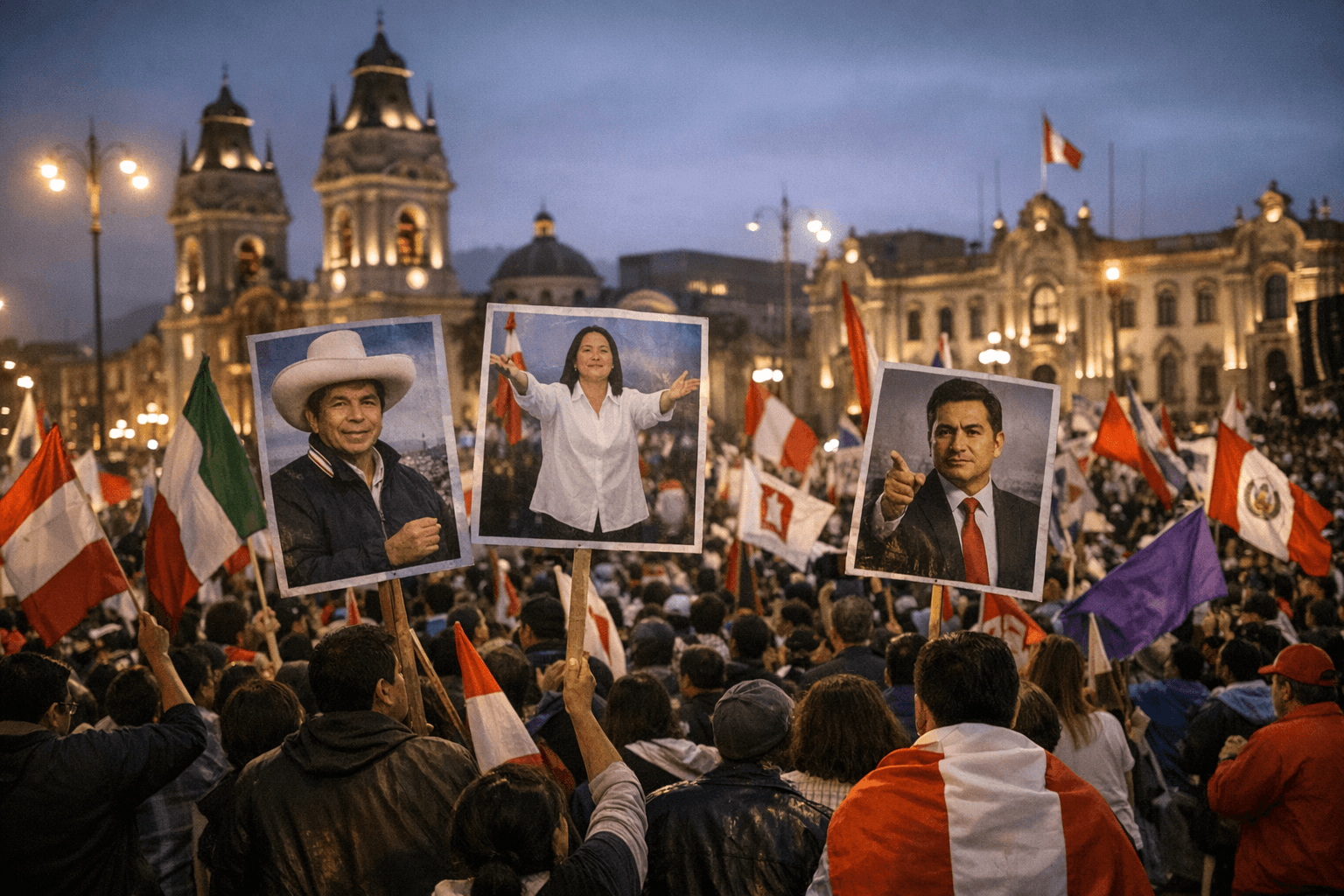
Five days before Peru's first-round presidential vote, a field of 35 candidates has produced no clear favorite, and analysts tracking the race expect the April 12 contest to send the country into a June 7 runoff, extending an electoral season already shadowed by a decade of political instability.
Keiko Fujimori, the conservative head of People's Force who has made each of Peru's last three presidential runoffs, emerged in the final days of campaigning as the clearest frontrunner to advance. This is her fourth presidential campaign. Though she last held elected office in 2011, Fujimori commands a powerful right-wing bloc in Congress, where her party retains significant influence. Trailing her are two other right-leaning contenders: Rafael López Aliaga, who served as Lima's mayor from 2023 to 2025 and whose combative political style has drawn comparisons to U.S. President Donald Trump, and comedian Carlos Álvarez of the Country for All party. Several other candidates, including former central bank director Alfonso López-Chau of the Now Nation party and congressman Roberto Sánchez of Together for Peru, who carries the endorsement of imprisoned ex-President Pedro Castillo, hovered near five percent in polls compiled ahead of the blackout period.
Peruvian electoral law prohibits the publication of new polling in the week before a vote, meaning the race now enters its final stretch without fresh data. The 27.3 million registered voters will choose a president and vice president as well as a bicameral Congress, which returns this cycle with a 60-seat Senate and a 130-seat Chamber of Deputies. The elected president is scheduled to be sworn in on July 28.
The election takes place against a backdrop of nine presidential changeovers in a single decade. The most recent came just weeks before the campaign's final phase: Congress removed President José Jerí from office in February 2026, and José María Balcázar of the leftist Free Peru party was appointed interim leader on February 18 to serve until inauguration day. That churn has steadily eroded public trust in institutions, and regional analysts tracking the race noted that voters have prioritized security and anti-corruption commitments in evaluating candidates. "Peruvians are looking for stability and credible promises on public safety and governance," analysts warned in assessments published ahead of the vote.
The consequences extend beyond Lima. Peru's geopolitical weight in the Andes, its mining sector, and its ongoing anti-corruption proceedings have kept international partners and investors closely monitoring the outcome. A weak or polarized presidency risks policy drift on environmental approvals, trade commitments, and institutional reform. A more decisive mandate, particularly for a reform-oriented candidate, could restore investor confidence and provide enough legislative leverage to govern a fractured Congress.
With the polling blackout now in effect and the undecided vote still substantial, late campaign dynamics, regional turnout swings, and last-minute alliances retain the power to reshuffle which two candidates advance. The answer arrives April 12; if no one clears 50 percent, Peru's final political reckoning will wait until June 7.
This article was produced by Prism’s automated news system from verified source data, official records, and press releases, then run through automated quality and moderation checks before publishing. The system is built and supervised by the people who set the standards it runs under. Read our full AI policy.
Did this article answer your question?


