Peru's Election Board Condemns Violent Rhetoric Ahead of April 12 Vote
Peru's elections board rebuked presidential candidates for violent debate conduct, with 11 days until the April 12 first-round vote.
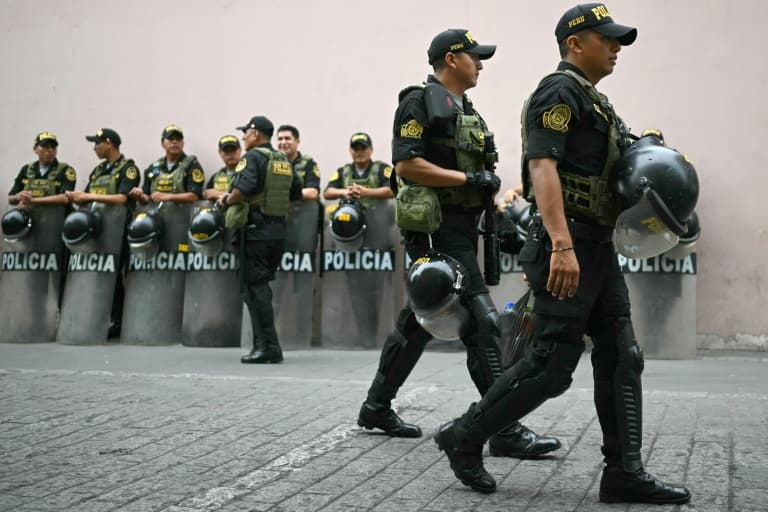
Peru's National Elections Board issued a formal public rebuke on March 31 after the third session of the country's presidential debate series descended into personal attacks and what the board's Honor Tribunal characterized as unacceptable conduct for a civil electoral contest.
The Jurado Nacional de Elecciones, the country's top electoral authority, condemned violent and denigrating behavior observed during the debate, summoning both candidates and organizers before its Honor Tribunal to account for exchanges the panel said undermined voters' ability to evaluate policy rather than personal grievances. The tribunal stressed that the tone of public discourse carries direct consequences for voter confidence in the electoral process.
The rebuke landed with 11 days remaining before the April 12 first-round vote, amid a campaign defined by an unusually fragmented field. Several dozen contenders competed for debate slots earlier in March, with a narrower pool of leading candidates emerging in polls. The combination of weak party institutions and personality-driven campaigning has made crime, corruption and the economy the dominant themes, though increasingly delivered through aggressive personal attacks rather than substantive policy contrasts.
Responses from the campaigns varied. Spokespeople for several contenders downplayed the tribunal's concerns, framing the sharper exchanges as vigorous but legitimate political competition. Others acknowledged the criticism and pledged to moderate their candidates' rhetoric going forward.
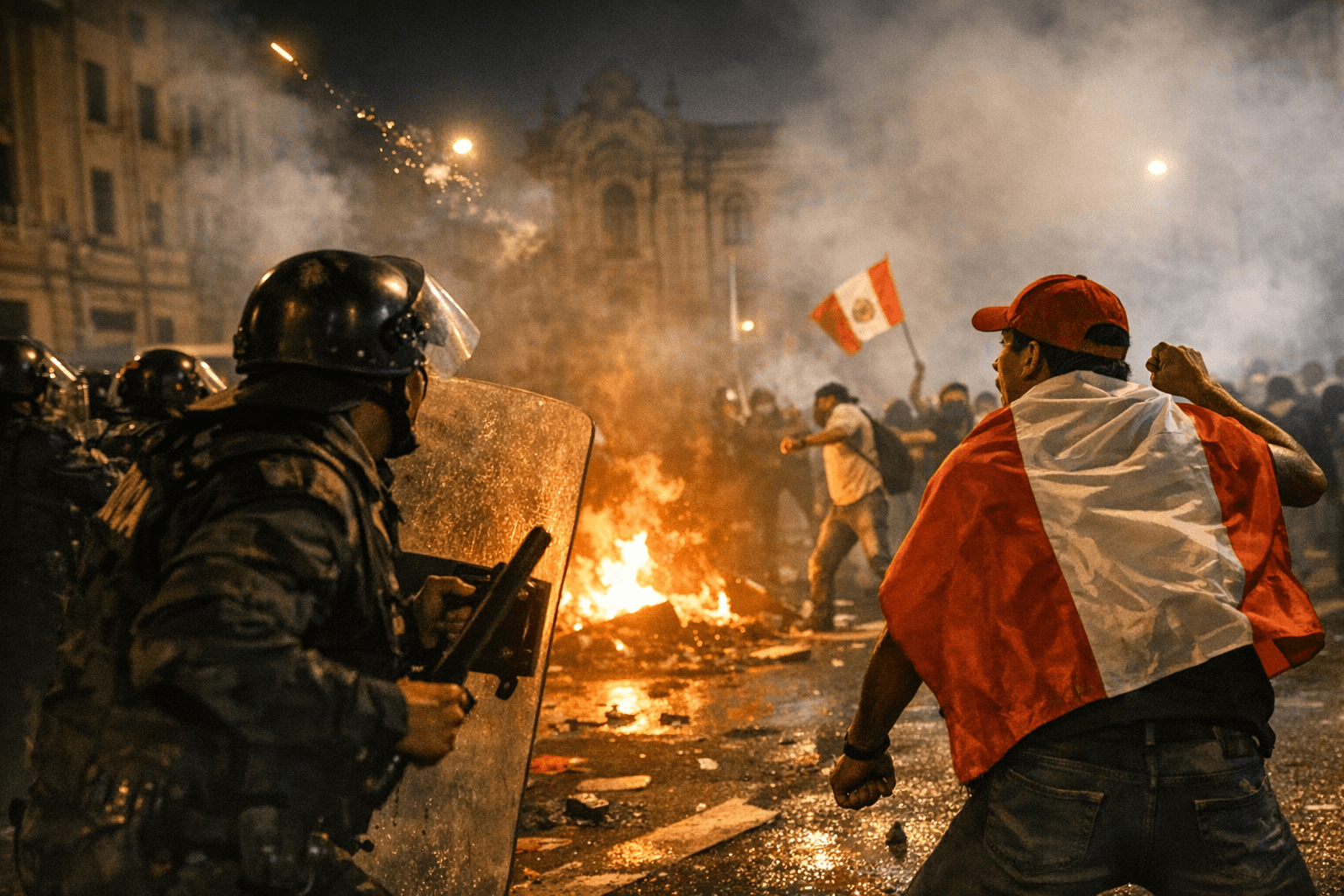
Peru's fractured political landscape gives the JNE's intervention unusual weight. The country has cycled through multiple presidents in recent years, weathering corruption scandals and mass street protests that have eroded public trust in government institutions. Observers have warned that a fractious campaign could depress turnout or cast doubt on the legitimacy of results, particularly if attacks extend to the oversight institutions tasked with certifying them.
The structural dynamics of the race may also prolong the tension well beyond April 12. With no single candidate positioned to clear the outright majority threshold needed for an immediate victory, Bloomberg and regional analysts have flagged a strong possibility of a runoff, shifting the contest toward coalition-building and second-round positioning. How candidates campaign in these final days carries consequences that extend far past the first ballot.
The JNE's authority in this domain is real but circumscribed. Its enforcement tools are limited to debate platforms and public statements; it cannot compel campaigns to change their messaging on the trail. Whether the board's public censure produces any visible shift in tone before Peruvians vote remains to be seen.
This article was produced by Prism’s automated news system from verified source data, official records, and press releases, then run through automated quality and moderation checks before publishing. The system is built and supervised by the people who set the standards it runs under. Read our full AI policy.
Did this article answer your question?