Peruvians vote in crowded presidential race headed for June runoff
Peru’s presidential race splintered into 35 contenders, pushing the country toward a June 7 runoff as anger over crime, corruption and Congress dominates the vote.
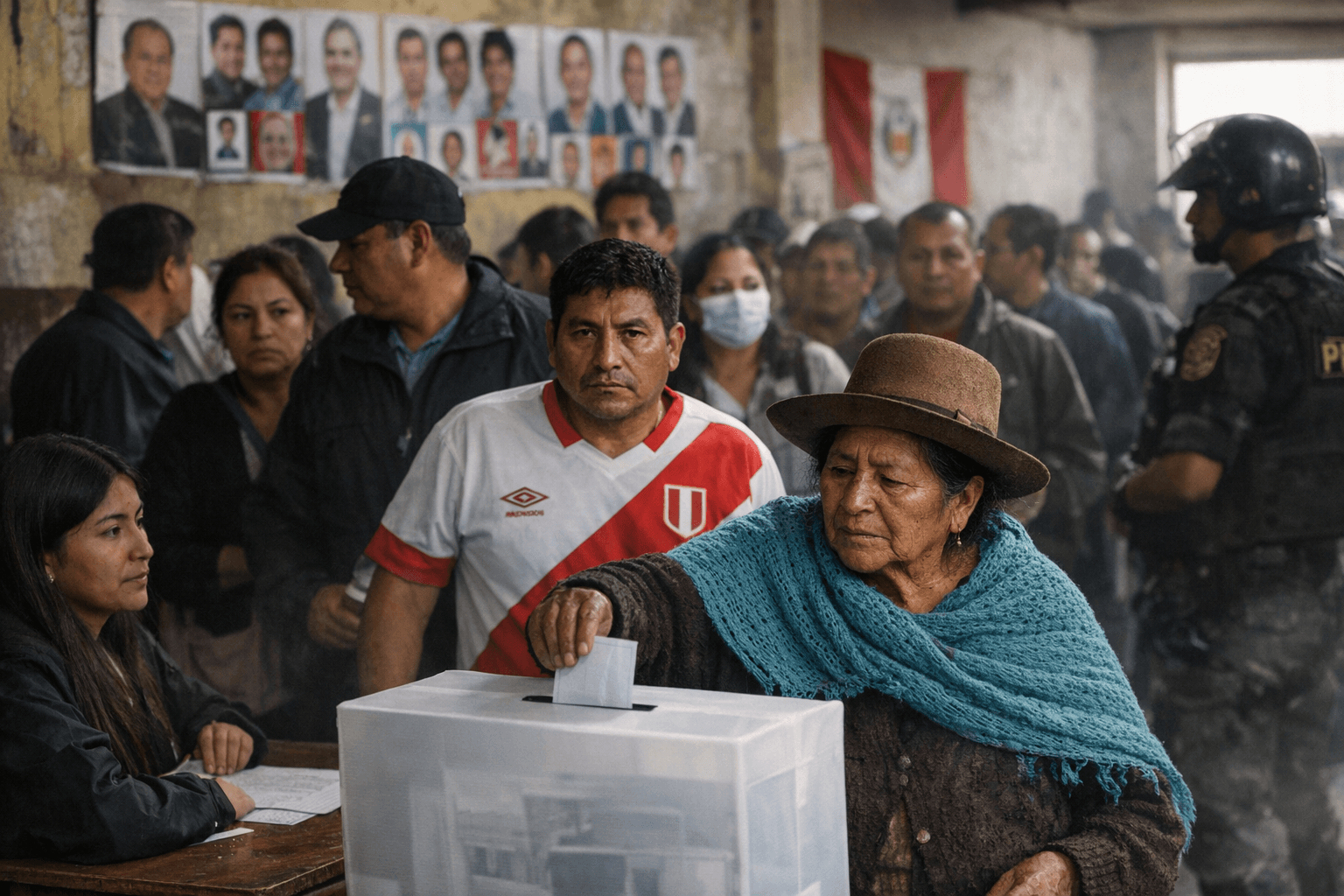
Peru’s fractured presidential race was headed toward a June 7 runoff as voters confronted a field of 35 contenders, a record-size ballot that underscored how little trust remains in the country’s political system. Polling stations opened at 7 a.m. local time on April 12, 2026, with about 27.3 million Peruvians eligible to choose a president and a newly expanded Congress, including senators elected for the first time in more than three decades.
The crowded ballot made an outright victory unlikely. With so many names in the race, the decisive force was expected to be the large bloc of undecided voters, whose late movement could reshape which two candidates advance. Turnout has traditionally averaged about 81 percent in Peru, though it fell to roughly 70 percent in the 2021 first round, a sign of how skepticism can blunt even high-stakes elections. If no candidate cleared 50 percent, the runoff would come on June 7, extending the contest into another month of bargaining and uncertainty.
The vote was taking place after a decade of political turmoil that has left Peru cycling through eight presidents since 2018 and, by some counts, nine occupants of the presidential palace over the past decade. That churn has deepened distrust in Congress, which many voters blame for repeated crises, impeachments and weak coalitions. A Lima fruit seller captured the mood bluntly: “Peru is a mess.” The anger is not only ideological. It is rooted in rising crime, corruption scandals and a belief that institutions have failed to deliver stability.
Among the best-known contenders was Keiko Fujimori, 50, the daughter of former President Alberto Fujimori, who was making her fourth presidential bid after reaching the runoff in all three previous campaigns. She remained a polarizing figure because of her family legacy and past legal troubles, even as she tried again to present herself as a guarantor of order and economic stability. Other prominent names included former Lima mayor Rafael López Aliaga, businessperson and comedian Carlos Álvarez, and left-leaning Ricardo Belmont, who had recently surged into second place.
The next president will inherit more than a divided electorate. Peru is a major copper producer, and prolonged political drift could affect investment, markets and the country’s ability to respond to pressure from both the United States and China. The return of a bicameral legislature will also make governing harder, not easier, forcing the winner to build alliances in a fragmented parliament while trying to govern a country exhausted by instability and distrust.
This article was produced by Prism’s automated news system from verified source data, official records, and press releases, then run through automated quality and moderation checks before publishing. The system is built and supervised by the people who set the standards it runs under. Read our full AI policy.
Did this article answer your question?