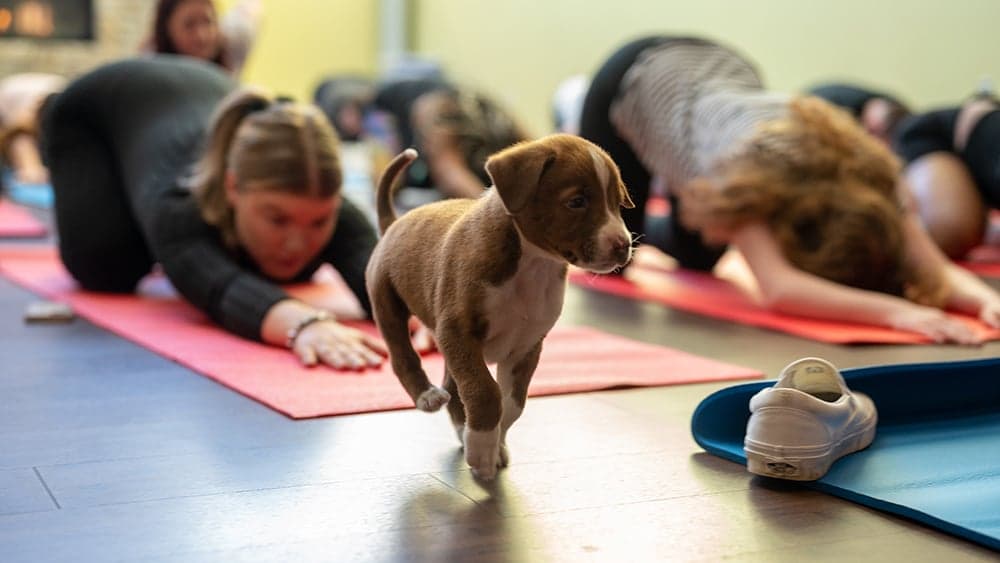
Petco's Doga Guide: Safe, Beginner-Friendly Dog Yoga Tips
Petco's doga tips give safe, beginner-friendly steps to practice dog yoga at home, focusing on consent, vaccinations, and simple equipment.

Doga blends gentle yoga moves with canine companionship, and it works best when safety and consent come first. This guide distills practical, beginner-friendly practices that help owners build bonding time and mild physical conditioning into short, regular sessions.
Start by checking basic health and safety: confirm vaccinations and clear any medical concerns with your veterinarian before beginning. Use a non-slip mat and keep fresh water and treats on hand. Keep sessions short and low-pressure, and always monitor your dog for comfort. Consent and comfort cues should guide every transition; pause or stop if your dog shows signs of stress or resists an activity. Avoid lifting or forcing dogs into positions, and do not attempt strenuous moves with puppies, seniors, pregnant dogs, or animals recovering from injury.
Adapt poses to size and age. Smaller dogs often prefer lap-based or floor-level interactions where they can choose proximity. Larger dogs may need wider stances from you, more open space, and modifications that let them remain on the floor rather than being lifted. For both ends of the size spectrum, use slow introductions to new poses and break activities into brief repeats rather than long holds.
Begin with a simple routine to build trust and body awareness. Start with a short warm-up of gentle petting and light massage to relax muscles and encourage breathing synchronization. Move into seated breathing with your dog either in your lap or beside you, matching breath cadence for several slow counts. Progress to gentle assisted stretches: with your dog standing, encourage a forward stretch by placing a toy or treat just out of easy reach so the dog extends its shoulders without strain. Try a supported sit-to-stand drill to strengthen hips - cue the sit, reward, then cue a stand, reward, and repeat a few times; keep repetitions low and rewards high.
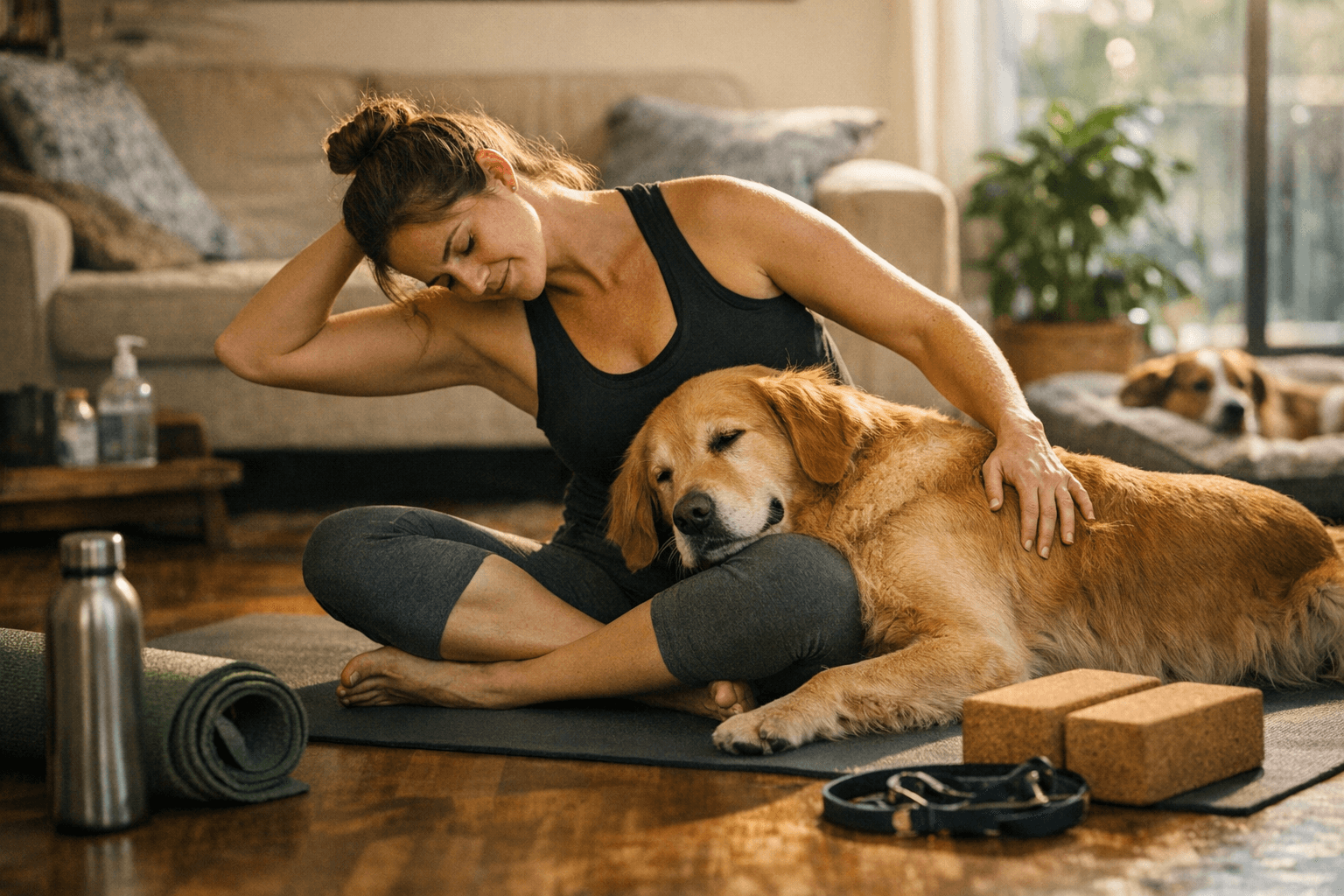
Short pose ideas keep practice accessible. A lap-rest pose lets small dogs settle on your crossed legs while you maintain upright posture and calm breathing. A companion reach has you raise one arm slowly while your dog follows with attentive eye contact, building shared focus. Floor-level stretches invite large dogs to rest their front paws on your shin while you gently press forward from a seated position, avoiding any lifting.
Safety checkpoints matter throughout practice. Read your dog’s body language, scale poses for age and mobility, keep a non-slip surface underfoot, and have water and treats at hand. If a pose would require carrying or forcing your dog, choose an alternative movement instead.
Regular, thoughtful sessions can deepen the human-dog bond and add gentle conditioning without pressure. Start small, prioritize consent, and build routines that fit your dog’s size, age, and temperament; with those basics in place, doga can become a steady, low-stress tool for connection and calm in the community.
Know something we missed? Have a correction or additional information?
Submit a Tip