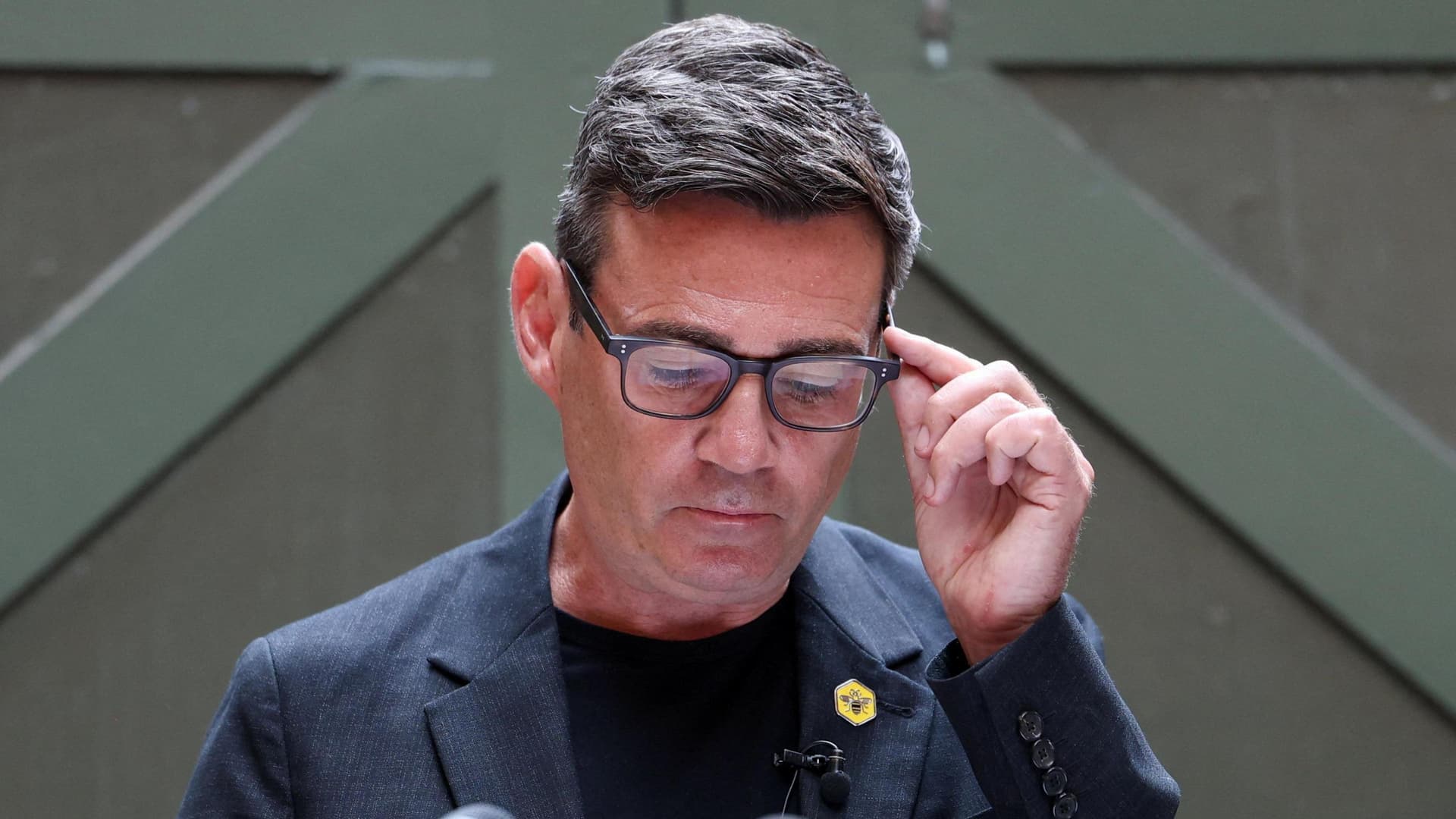
Phil Weiser defeats Michael Bennet in Colorado governor primary
Phil Weiser toppled Michael Bennet 54.7% to 45.3%, giving Colorado Democrats a governor nominee in a race shaped by Trump, costs and public safety.
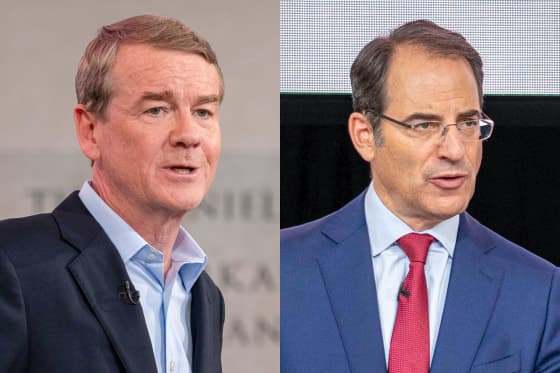
Phil Weiser won Colorado’s Democratic primary for governor on Tuesday, defeating U.S. Sen. Michael Bennet in a contest that became an early test of how Democrats in a competitive Western state want to face Donald Trump. The Associated Press projected the result just before 8 p.m., when Colorado Public Radio reported Weiser ahead 54.7% to 45.3%.
Weiser, Colorado’s attorney general and now in his second term, entered the race as the underdog against Bennet, who has served in the U.S. Senate for 17 years and ran for the Democratic presidential nomination in 2020. The winner is heavily favored to succeed term-limited Democratic Gov. Jared Polis this fall, and if Weiser holds the office, Democrats will have kept the Colorado governor’s mansion continuously since 2007. No Republican has been elected governor in more than two decades.

The primary turned on a familiar split inside the Democratic Party over how aggressively to confront Trump. Weiser argued that Democrats need to “show up, listen and fight,” and he cast Bennet as a Washington insider out of step with voters looking for a tougher posture. Bennet countered that Weiser had not been aggressive enough in suing the Trump administration, trying to claim the role of the more forceful check on federal power.
Despite that clash, both candidates leaned on the same core policy themes: affordability, housing and environmental issues. That overlap made the contest less about ideology than about style, credibility and which Democrat could persuade voters that he would better defend Colorado against the next Republican president while handling day-to-day cost pressures at home.
Colorado’s primary ballots began going out on June 8, and county clerks were required to mail them by June 12 for the June 30 election. Unaffiliated voters received ballots for both parties’ primaries, but they could return only one, a system that gave the race unusual reach beyond registered Democrats and underscored how much was at stake in a state that remains blue in statewide elections but still expects a hard-fought general campaign.
This article was produced by Prism’s automated news system from verified source data, official records, and press releases, then run through automated quality and moderation checks before publishing. The system is built and supervised by the people who set the standards it runs under. Read our full AI policy.
Did this article answer your question?