Philadelphia Museum of Art showcases bronze sculpture in new statue exhibition
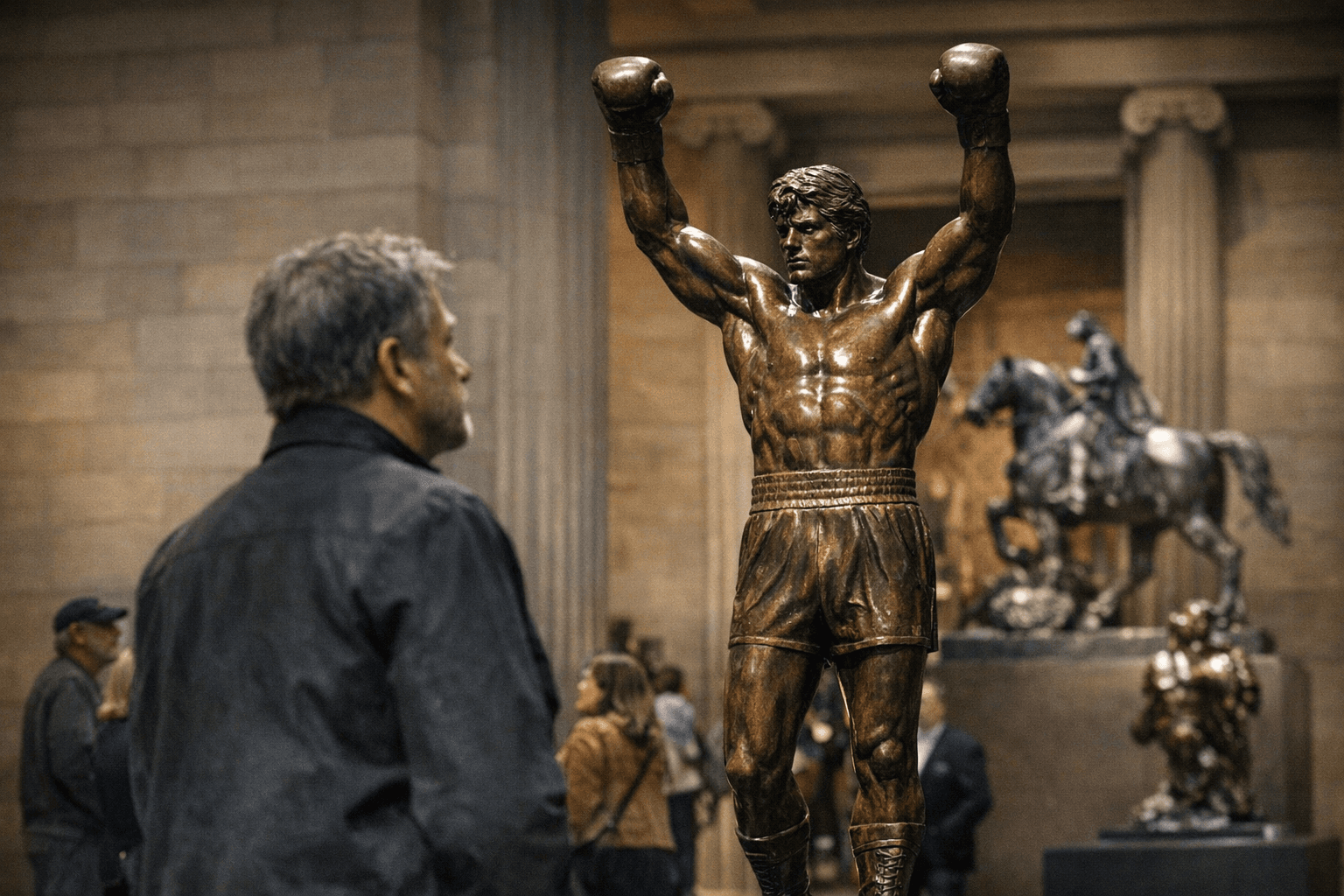
Rocky’s rise from movie prop to civic monument is now on view inside the Philadelphia Museum of Art, where a new show tests how cities turn pop culture into public memory.
A movie prop becomes a civic monument
Inside the Philadelphia Museum of Art, the Rocky statue is being treated as more than a photo stop on the steps. The museum’s new exhibition, *Rising Up: Rocky and the Making of Monuments*, uses that bronze figure to ask a bigger question: how does a pop-culture icon become a city symbol that people around the world treat as a pilgrimage site?
The show opens April 25, 2026 in the museum’s Main Building, in the Dorrance Galleries, and runs through August 2, 2026. It brings together more than 150 works by more than 50 artists and artifacts spanning more than 2,000 years, giving the exhibition an unusually wide frame for a subject many visitors think they already know.
Why Rocky matters as a monument
The museum is not using Rocky as a nostalgic backdrop. It is using the statue as a lens on monument-making itself, showing how public symbols are shaped by time, by communities, and by the stories people attach to them. In the museum’s framing, the statue has become a site of global pilgrimage because it captures ideals of the underdog, especially perseverance, spirit, and grit, values that resonate far beyond the film that made Rocky Balboa famous.
That makes the exhibition especially relevant in a city that has long used public art to tell itself who it is. The Rocky statue, located outside the museum, now stands at the center of a broader conversation about memory, identity, power, and representation in public art. The museum is also linking the statue to Philadelphia’s own social history, including immigrant neighborhoods, Black boxing legends, and debates over who gets to define the future of public space.
What the exhibition puts in conversation
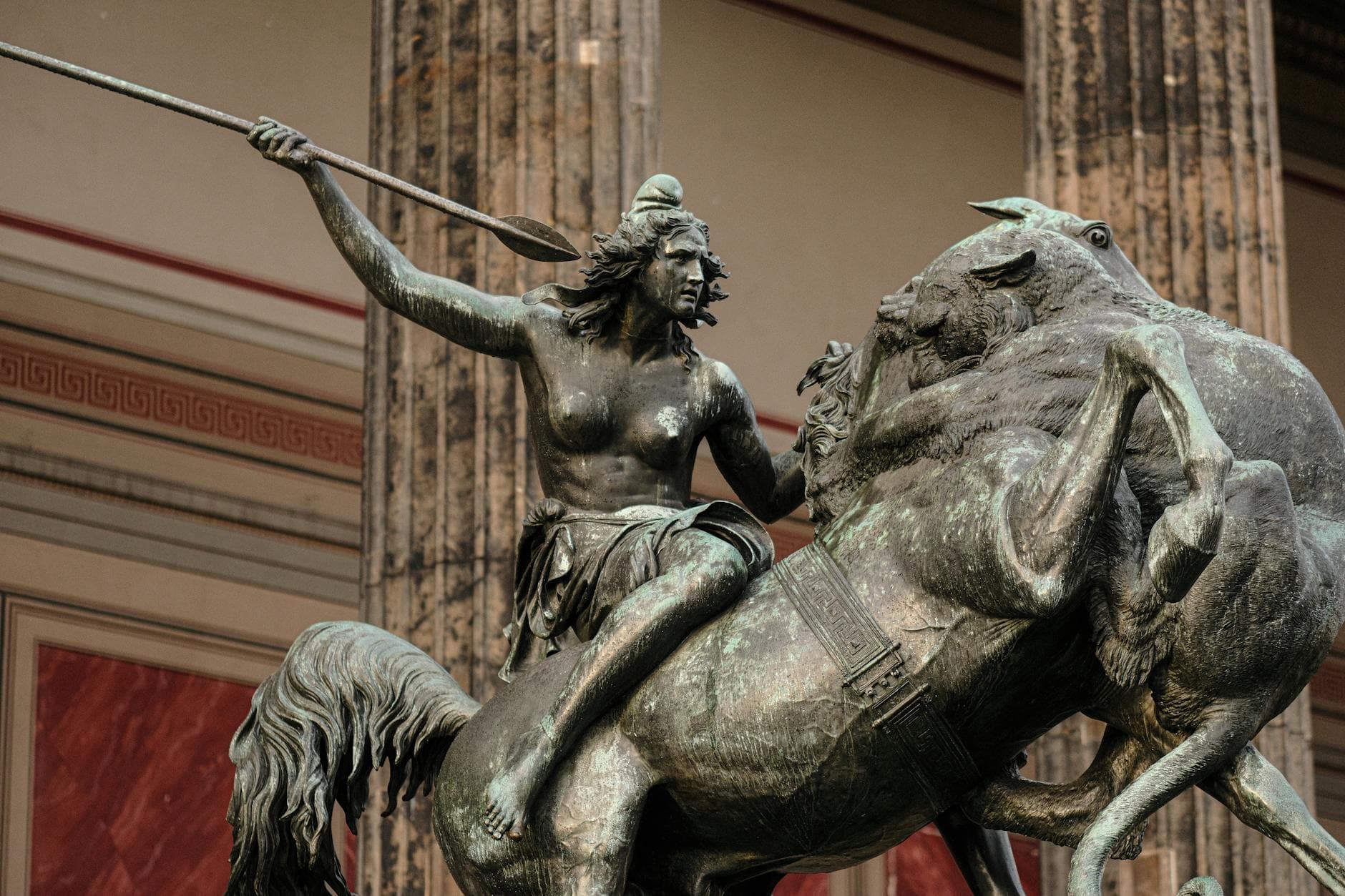
Rather than isolating one famous sculpture, *Rising Up* connects Rocky to a long history of how artists portray fighters, celebrity, and public heroism. The exhibition reaches back to ancient sculpture and 19th-century European works, then moves through images from the golden age of boxing in the United States before arriving at contemporary art that revisits race, gender, and fame. Artists named in the exhibition materials include Andy Warhol, Jean-Michel Basquiat, Glenn Ligon, Hank Willis Thomas, and Lisa Brice.
That mix matters because it recasts Rocky as part of an art-historical continuum, not a one-off movie relic. The museum’s approach suggests that the statue’s meaning is not fixed by its origin story. It has been reinterpreted by viewers, by the city around it, and by artists who use boxing and celebrity to ask what kinds of bodies get elevated into public view.
The exhibition also broadens the idea of what a monument can be. According to the museum, the installation includes monumental sculptures, paintings, video performances, film clips, photographs, prints, drawings, new commissions, ephemera, and participatory experiences. That variety turns the gallery into an argument: monuments are not only bronze and stone, but also memory, circulation, and collective belief.
The curator’s frame
Guest curator Paul Farber, director and co-founder of Monument Lab and host of the podcast *The Statue* from NPR/WHYY, organized the exhibition with the Philadelphia Museum of Art in collaboration with Monument Lab. The project was researched for more than five years and in development for the last two years, which helps explain its ambition and the breadth of its comparisons.
That curatorial structure gives the show a civic as well as an art-historical edge. Farber’s framing emphasizes how monuments are made and remade over time, and how a symbol can carry competing meanings at once: triumph and vulnerability, strife and solidarity, pride and critique. The accompanying publication continues that approach by gathering perspectives from scholars, cultural figures, literary critics, and artists, including Alex Da Corte, Malcolm Jenkins, Carrie Rickey, and Salamishah Tillet.
How to visit the show
The museum has made the exhibition easy to fold into a broader visit. Tickets are listed at $35 and include museum admission, while members are always free. A public opening is scheduled for April 24, 2026 from 5:00 p.m. to 8:30 p.m., with pay-what-you-wish admission available from April 10 through September 4, and the museum is also offering a member preview on April 24.
The opening program is built like a civic celebration as much as an art event, with performances in the Great Stair Hall, a pop-up studio in the East Balcony, a DJ set, and a meet-the-artist book signing in the Dorrance Galleries retail store. A curator’s talk on April 25 adds another layer, with Farber in conversation with writer Salamishah Tillet and a book launch tied to the exhibition’s publication.
The publication itself extends the exhibition’s reach beyond the gallery. The catalog is a 140-page paperback, due in May 2026, with 100 color illustrations. Its central argument is that the Rocky statue is no longer just a film prop outside a museum, but a monument with its own cultural mystique and a case study in how civic power and historical identity get written into public space.
What makes *Rising Up* significant is not only that it celebrates Rocky, but that it asks who gets elevated into civic memory in the first place. By placing a mass-cultural icon inside one of the city’s most important art institutions, the Philadelphia Museum of Art is signaling that popular mythology and public art now belong in the same conversation, especially in a city where monuments still help define belonging.
This article was produced by Prism’s automated news system from verified source data, official records, and press releases, then run through automated quality and moderation checks before publishing. The system is built and supervised by the people who set the standards it runs under. Read our full AI policy.
Did this article answer your question?