Philippines warns China remains a severe threat despite U.S.-China thaw
Philippine officials said Chinese pressure in the South China Sea stayed severe even after the Trump-Xi thaw, with frontline forces still facing daily risk.

Gilberto Teodoro Jr. used Asia’s biggest defense forum to draw a hard line between diplomatic calm and maritime danger. Standing on the sidelines of the Shangri-La Dialogue in Singapore, the Philippine defense secretary said China remained a "severe threat" even after the recent easing in U.S.-China ties following the Trump-Xi summit earlier this month.
His warning landed in a room built for exactly this kind of strategic reading. The 23rd Shangri-La Dialogue ran in Singapore from May 29 to May 31, with the Singapore Ministry of Defence saying 44 countries attended, including 54 ministerial-level delegates and more than 42 chief-of-defence-level delegates and senior defense officials. Teodoro was scheduled to give a plenary talk titled "Evolving Security Partnerships in a Fragmenting World."
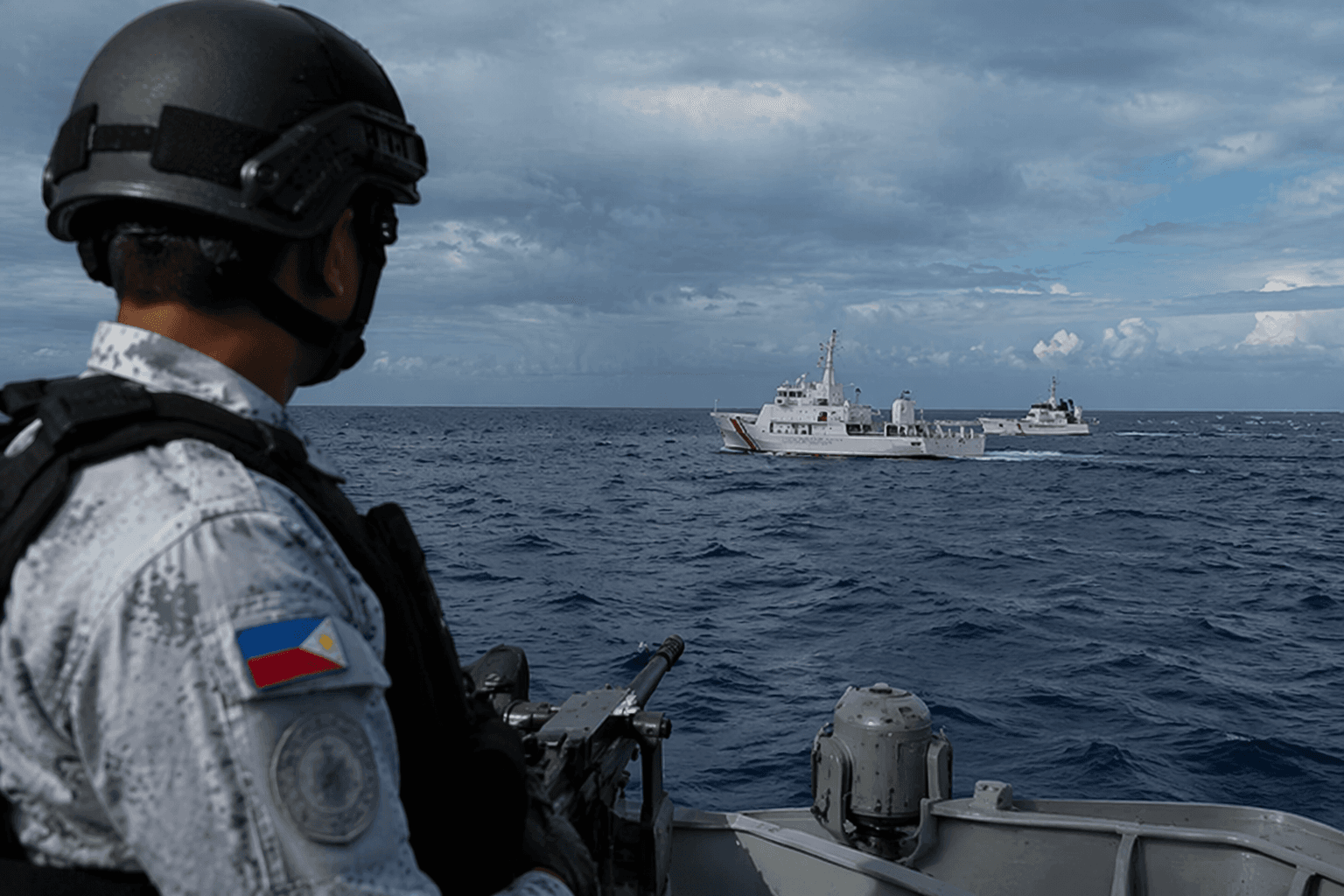
Teodoro’s message was that great-power détente does not erase the pressure felt by smaller states in contested waters. He said countries such as the United States and China may have room to reduce friction when they are near parity in military power, but smaller countries do not have that freedom. For the Philippines, he said, the threat is territorial and political, leaving Manila with "no choice" but to remain resilient and stand up to Chinese aggression.
The South China Sea remains the core of that confrontation. The semi-enclosed sea spans almost 3.5 million square kilometres and is one of the world’s most important shipping lanes. The Philippines filed its arbitration case against China in 2013, and the Permanent Court of Arbitration issued its final award on July 12, 2016. The tribunal ruled overwhelmingly in favor of the Philippines and found major elements of China’s nine-dash line claim had no legal basis. China rejected the ruling, and the dispute has continued to shape the region’s security climate.
The risk is not theoretical. A June 17, 2024 incident near Second Thomas Shoal injured eight Philippine personnel, and the Center for Strategic and International Studies’ Asia Maritime Transparency Initiative said Chinese coast guard and militia tactics in 2024 increased damage to Philippine vessels, injuries to personnel and the risk of escalation. U.S. messaging after the 2016 ruling said Washington strongly supported the rule of law and peaceful settlement through arbitration under the United Nations Convention on the Law of the Sea.
That is the gap Teodoro highlighted in Singapore: superpower rhetoric may soften, but for Manila, the measure of security is still the same, whether its fishermen, coastal communities and maritime forces can move without being squeezed in contested waters.
This article was produced by Prism’s automated news system from verified source data, official records, and press releases, then run through automated quality and moderation checks before publishing. The system is built and supervised by the people who set the standards it runs under. Read our full AI policy.
Did this article answer your question?


