Phillips County Courthouse, Century of Service Shapes Local Governance
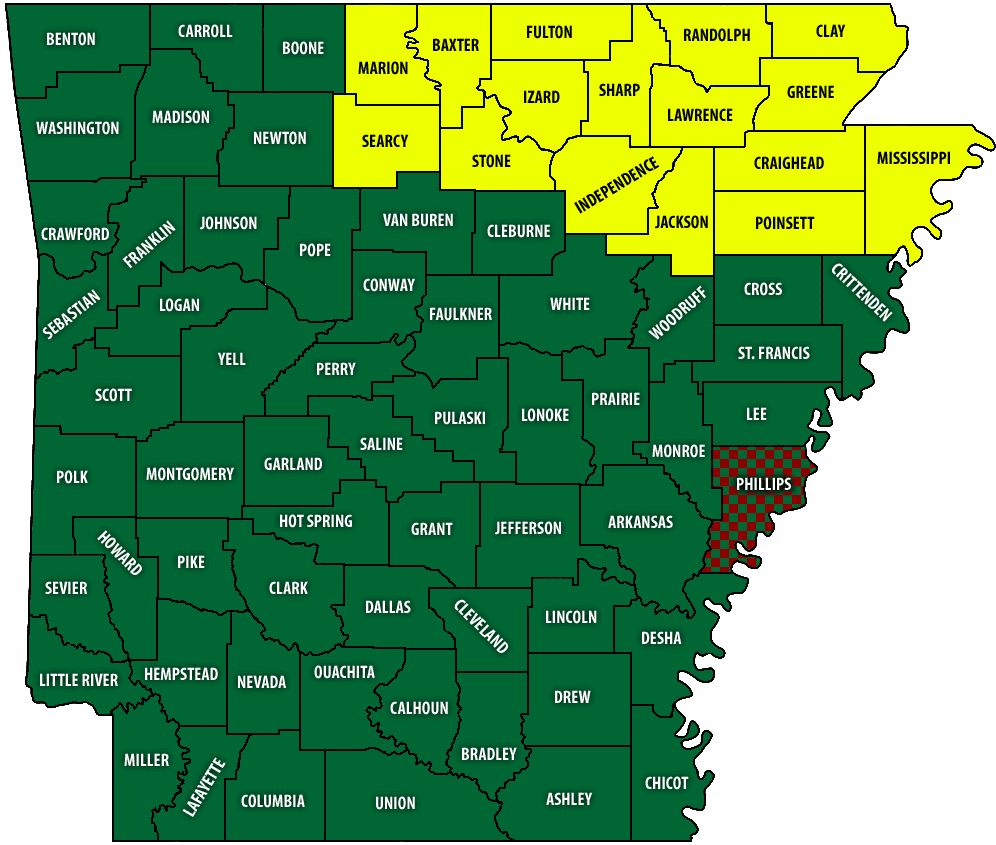
The Phillips County Courthouse at 622 Cherry Street in Helena has served as the county courthouse since its completion in 1915, and its Classical Revival architecture and historical role continue to shape local civic life. Its listing on the National Register of Historic Places and its association with the trials after the Elaine Massacre make the building a focal point for preservation, public memory, and institutional accountability.
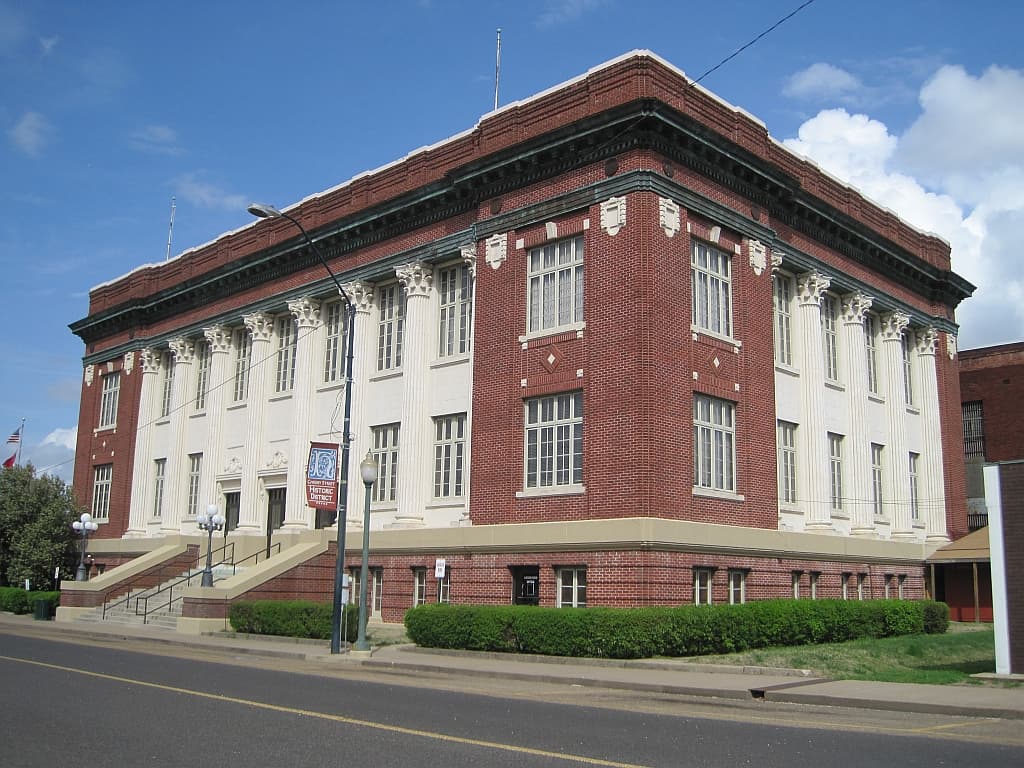
The Phillips County Courthouse stands at 622 Cherry Street in Helena, now part of the consolidated city of Helena West Helena. Designed by Little Rock architect Frank W. Gibb and completed in 1914 and 1915, the two and a half story brick building is marked by engaged fluted Corinthian columns and ornamental interior woodwork and plaster. The courthouse has housed county judicial and administrative functions since 1915 and was listed on the National Register of Historic Places in 1977.
The building is part of Phillips County's living institutional fabric. Its role in local legal history includes the trials that followed the Elaine Massacre of 1919, an episode that continues to inform discussions of justice, public memory, and the functioning of local courts. As the venue where county business and court proceedings have been conducted for more than a century, the courthouse is both a practical facility for public services and a civic symbol whose condition affects public trust.
Listing on the National Register of Historic Places provides recognition and potential pathways for preservation funding and technical assistance. That status carries policy implications for county officials and residents. Maintaining a historic courthouse requires balancing preservation standards with the operational needs of modern courts and county offices. Decisions about repairs, accessibility upgrades, climate control, and security all intersect with budget priorities, grant eligibility, and transparency in public spending.

For voters and civic actors in Phillips County, the courthouse matters beyond architecture. It houses records that underpin elections, land transactions, and court dockets. Its visibility as a public space shapes civic engagement, from attending hearings to participating in county governance. Preserving the building while ensuring it meets contemporary needs is a governance challenge that touches on institutional capacity, fiscal stewardship, and democratic access.
As Phillips County plans for the future, the courthouse will remain a central consideration in discussions about public investment, historical reckoning, and how local institutions serve residents. The building’s architectural distinction and layered history reinforce the need for open decision making, careful fiscal planning, and community involvement in how the county preserves and uses this long standing public asset.
Sources:
Know something we missed? Have a correction or additional information?
Submit a Tip