Photo Highlights Site of Former St. Luke School in Phillips County
A published photo drew local attention to the vacant site of the former St. Luke School, raising questions about preservation, land use, and county stewardship.
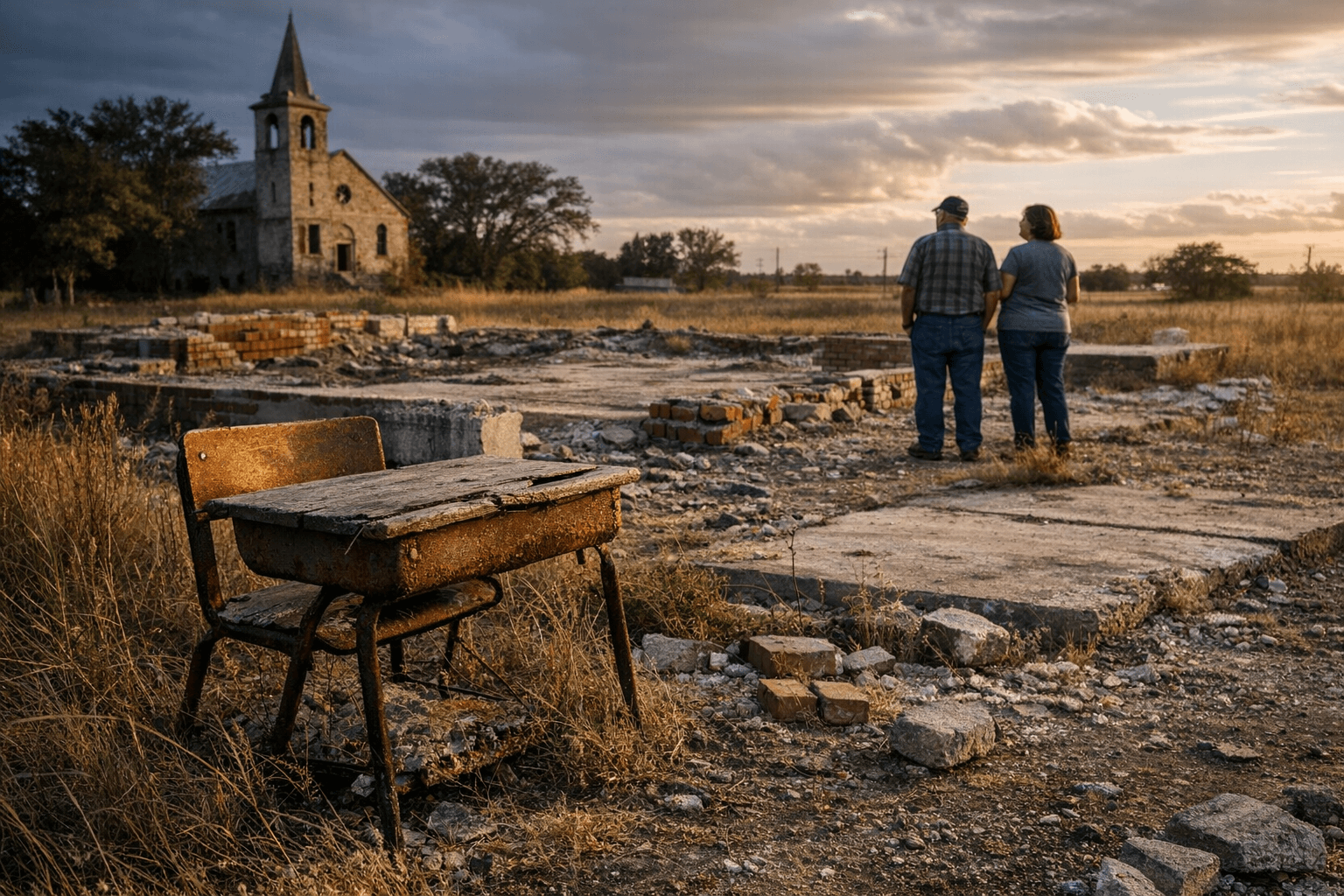
A striking photograph has refocused attention on the vacant lot where the former St. Luke School once stood in Phillips County, prompting conversations about preservation, property stewardship, and local planning priorities. The image, published Feb. 1, 2026, in the Arkansas Democrat-Gazette, makes visible a site that many residents associate with neighborhood memory and civic life.
The photo shows a cleared or vacant parcel identified as the former St. Luke School site. For Phillips County officials and residents, that visibility matters because photos shape public awareness and can accelerate decisions about maintenance, redevelopment, or historical recognition. The site’s condition is relevant to county code enforcement, public safety planning, and any decisions by property owners or the school district that previously managed the facility.
Policy implications hinge on jurisdiction and funding. If the parcel remains privately owned, the county’s options center on zoning enforcement, nuisance abatement, and property-tax collection. If ownership rests with a public entity or the school district, elected officials face different tradeoffs: whether to invest limited local dollars in stabilization, to pursue adaptive reuse, or to decommission the property. Phillips County leaders and county commission members must weigh those choices against competing demands on the county budget such as road maintenance, public health services, and education funding.
The image also intersects with institutional responsibilities for historic places. St. Luke School is part of the county’s built environment and community memory; that status affects eligibility for state and federal preservation grants and potential listing on historic registers. Pursuing those avenues requires coordination among county planning staff, preservation officers at the state level, and local civic groups. Documenting the site through photography reduces informational gaps that planners and preservation advocates rely on when applying for grant funding or proposing local ordinances.
For civic engagement, the photograph provides a focal point for residents to exercise oversight. Community members who care about neighborhood character, safety, or historical recognition can bring the issue to Phillips County Commission meetings, request agenda items from the county planning office, and petition for inspections or for historical review. Voters interested in how public assets and historic sites are managed can raise the matter with county officials during public comment periods and at the ballot box.
What comes next is a matter of local choice. The photograph turned the former St. Luke School site into a civic subject rather than a private backlot. Phillips County leaders will need to clarify ownership, outline a plan for the parcel, and communicate options to residents. For citizens, the photo is a prompt to scrutinize those plans and insist on transparent decision-making about a site tied to local history and future land use.
Sources:
Know something we missed? Have a correction or additional information?
Submit a Tip