Pichai urges U.S. to lead AI, warns of deepfakes, fragmented regulation
Pichai pressed Washington to lead AI and warned that deepfakes could outrun society if rules stay fragmented across more than 1,000 state bills.
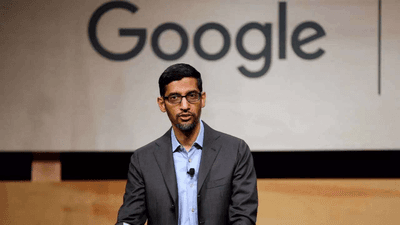
Sundar Pichai used a new 60 Minutes clip to argue that the United States cannot afford to cede artificial intelligence leadership. The Google chief said the country "must take the lead" on AI and develop it "boldly and responsibly so every American benefits," a message that puts speed, safety and national competitiveness on the same line.
That balance has become the center of the AI fight in Washington. Pichai has warned that AI could supercharge disinformation and deepfakes, and in a 2023 60 Minutes interview he said the technology could create fake video and cause societal harm if humanity loses control of it too early. His latest remarks sharpen that warning at a moment when generative AI is moving into workplaces, classrooms and public life fast enough to unsettle lawmakers, educators and employers alike.
Pichai has also pushed back against a patchwork of state rules, arguing that more than 1,000 AI-related bills could create confusing standards and weaken U.S. competitiveness. That view has gained traction inside the administration: on March 20, 2026, the White House released a national AI policy framework calling for a federally unified, innovation-oriented regime and preemption of state AI laws. The policy debate is no longer abstract. It now touches the rules that will shape how companies deploy AI in hiring, schooling, content moderation and the handling of synthetic media.
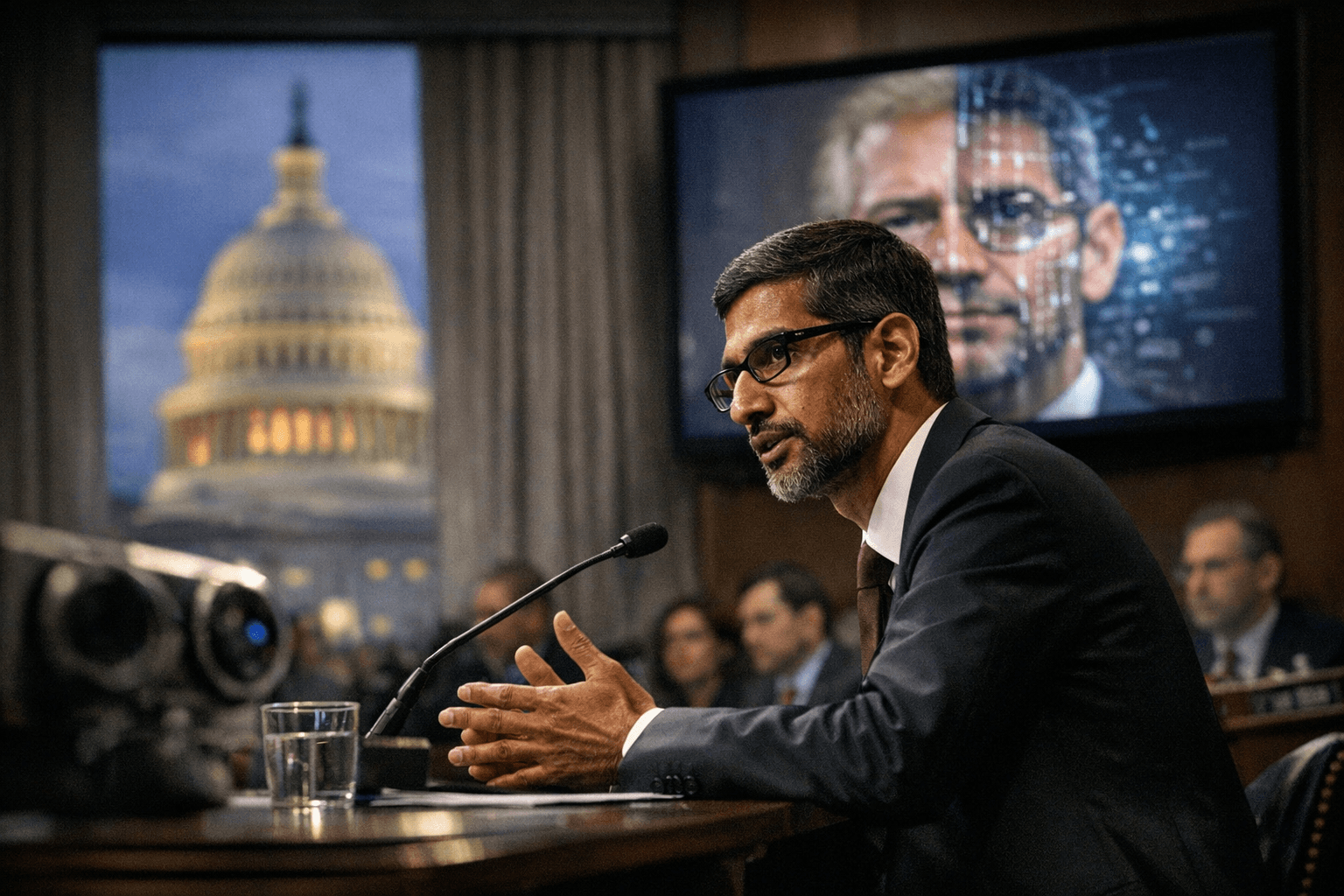
The stakes rose further in January, when lawmakers and former officials criticized the Trump administration’s decision to let Nvidia sell H200 AI chips to China, arguing that it could erode America’s AI edge and aid Beijing’s military modernization. Reuters reported that the Biden administration had previously barred sales of prized semiconductors to China on national security grounds. Then on January 21, the House Foreign Affairs Committee advanced the AI Overwatch Act, which would give Congress more power over exports of advanced AI chips to China and other adversaries. The fight over chips has become a proxy for the broader race to define who sets the pace, and the limits, of AI development.
Pichai has paired his U.S. warnings with an aggressive global buildout. At the AI Impact Summit in New Delhi on February 19, 2026, he called AI "the biggest platform shift of our lifetimes" and said Google was establishing a full-stack AI hub in Vizag as part of a $15 billion infrastructure investment in India. The project includes gigawatt-scale compute and a new international subsea cable gateway, a sign that the contest for AI leadership is also about infrastructure, capital and where the next generation of digital jobs will land.
This article was produced by Prism’s automated news system from verified source data, official records, and press releases, then run through automated quality and moderation checks before publishing. The system is built and supervised by the people who set the standards it runs under. Read our full AI policy.
Did this article answer your question?


