Pilot shot down in Iran survives daring U.S. rescue mission
A single F-15E pilot survived two shootdowns in a month, underscoring how quickly the war over Iran turned into a brutal test of U.S. air defenses and rescue doctrine.
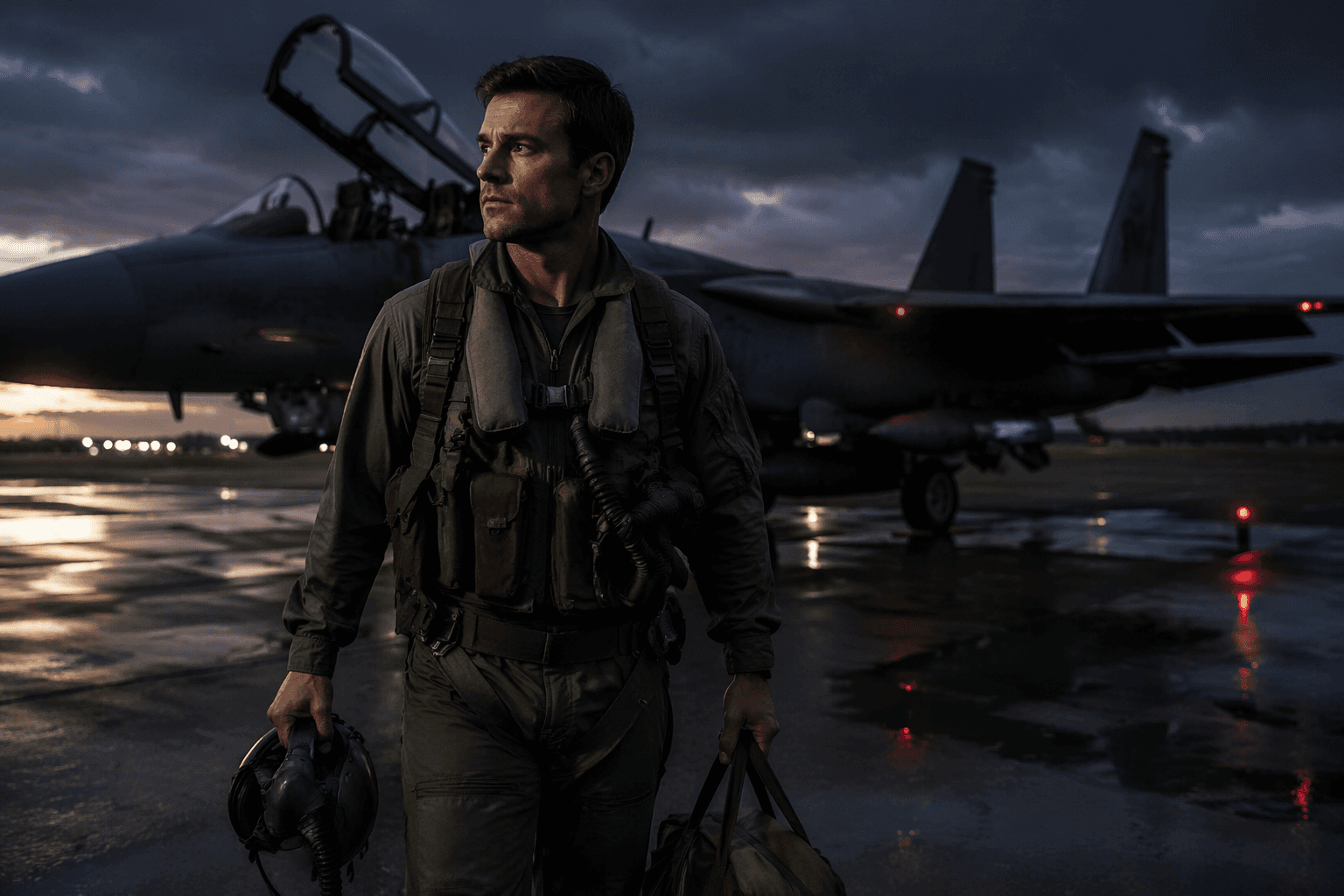
A U.S. F-15E pilot survived two shootdowns in barely a month, first in a rare apparent friendly-fire strike over Kuwait and then in a combat loss over southwestern Iran that triggered one of the most complex rescue missions the Air Force has attempted in years. The back-to-back episodes exposed how often American aviators were being pushed into high-risk airspace, where a single mistake or a hidden missile battery could turn a strike package into a search-and-rescue emergency.
The first loss came on March 2, 2026, when three U.S. Air Force F-15E Strike Eagles were mistakenly shot down by Kuwaiti air defenses over Kuwait in the opening days of the U.S. war against Iran. The aircraft went down around 7:03 a.m. local time, or 11:03 p.m. ET on March 1, and all six aircrew members ejected safely before being recovered in stable condition. Kuwaiti aircraft were later suspected in the incident, and the Kuwait Ministry of Defense said it had confronted hostile aerial targets around dawn.
About a month later, the same pilot was back in action over southwestern Iran on a combat strike mission as part of Operation Epic Fury when his F-15E was hit by an Iranian shoulder-fired, heat-seeking missile. The aircraft was brought down over rough terrain in the region that includes Khuzestan Province, Kohgiluyeh and Boyer-Ahmad Province, and the Zagros Mountains. The pilot, identified by the call sign Dude 44 Alpha, was rescued after several hours with serious injuries. The second crew member, Dude 44 Bravo, evaded Iranian forces for nearly two days before being recovered.
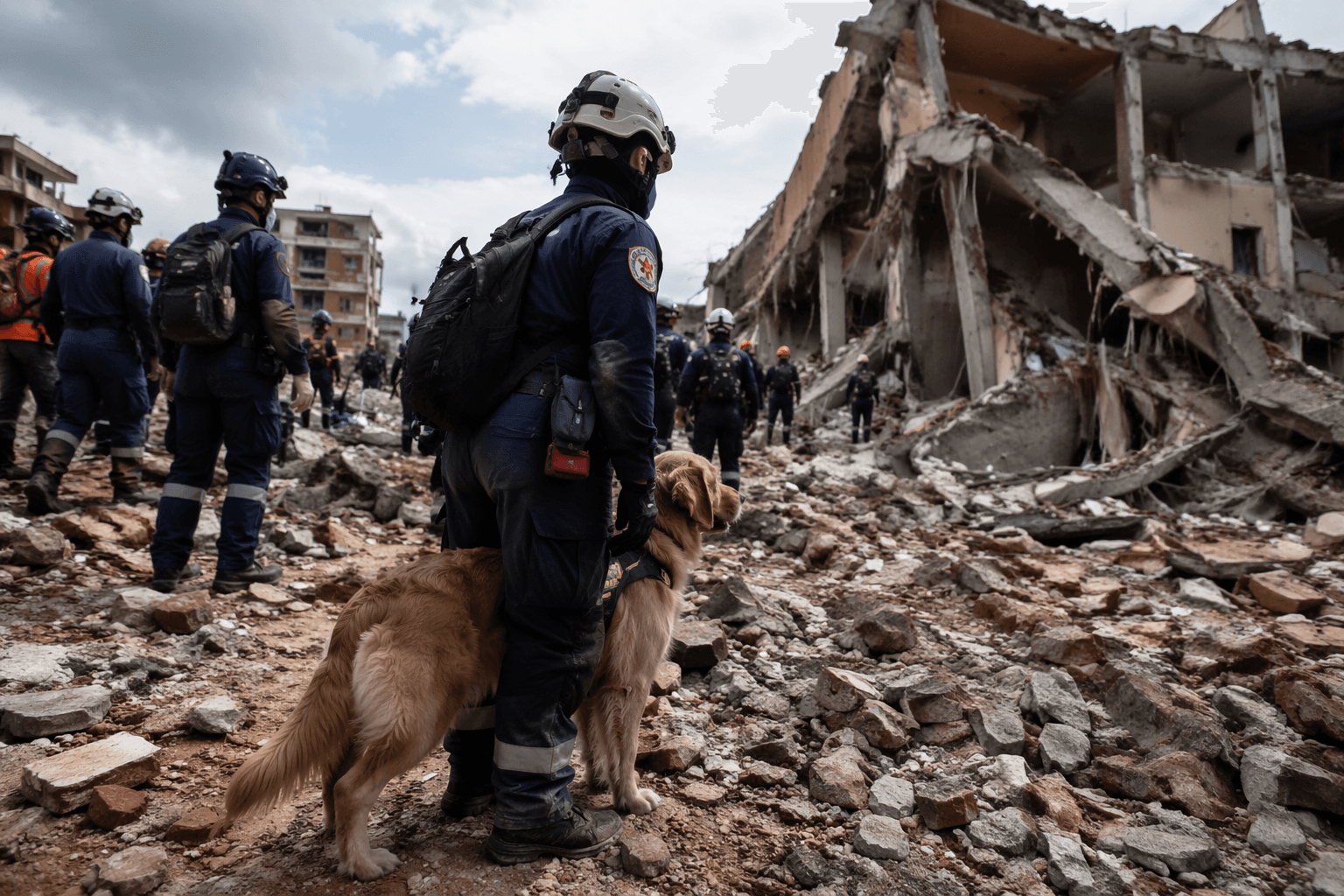
Gen. Dan Caine described the recovery effort as one of the largest, most complex, and most harrowing combat search-and-rescue missions ever attempted by the military. The task force reportedly included 10 A-10C Thunderbolt II aircraft, HC-130J Combat King II planes, HH-60W Jolly Green II helicopters, and Air Force special operations airmen, with diversion operations spread across more than a half dozen parts of Iran.
The double shootdowns highlighted the strain on U.S. aviators and the danger of operating deep inside contested airspace against both friendly and hostile air defenses. Retired Air Force Lt. Gen. David Deptula called the coincidence highly unusual and likened it to “getting hit by lightning twice.” For commanders, the episode is a warning: when the air-defense picture is fluid and the rules of engagement are tight, every mission over Iran carries the risk of another rescue before the strike is even complete.
This article was produced by Prism’s automated news system from verified source data, official records, and press releases, then run through automated quality and moderation checks before publishing. The system is built and supervised by the people who set the standards it runs under. Read our full AI policy.
Know something we missed? Have a correction or additional information?
Submit a Tip