Ping-pong boosts information processing speed, study highlighted on The Athletic Show
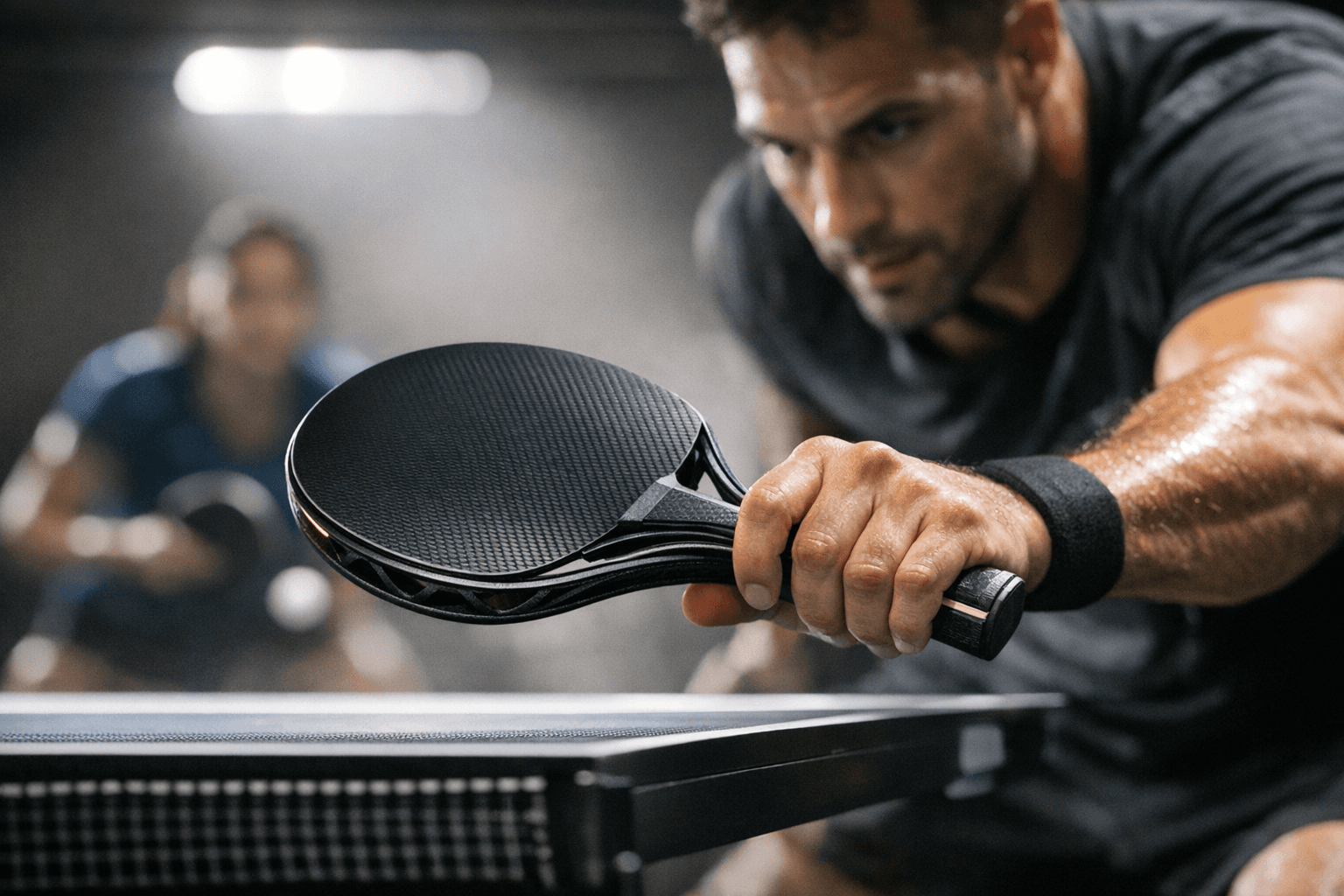
What if 45 square feet of fiberboard - a 9-by-5-foot table with two red paddles and a little white ball - could help rewire your brain?

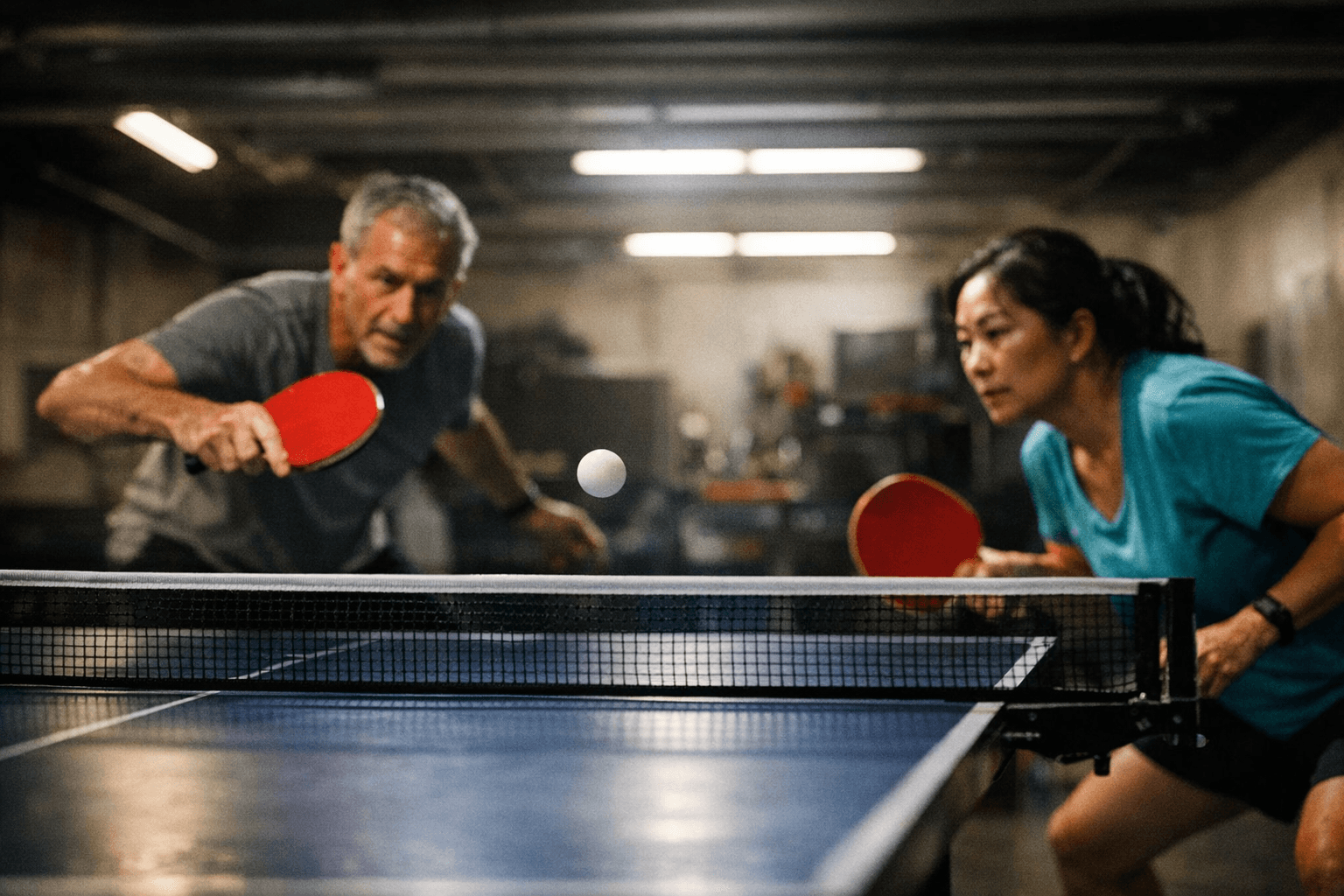
What if 45 square feet of fiberboard contained the key to a better life? For centuries, humans have sought ways to optimize their minds, enhance their physical well-being and prolong their lives. It turns out the answer might be right in front of us, in the form of a 9-by-5-foot table. Of course, you need a few other things to get the full benefit: two red paddles and a little white ball.
The February 15 feature presented as part of The Athletic Show coverage on nytimes.com summarizes research showing that table tennis and racket sports enhance cognitive functions such as information processing speed. The piece frames table tennis as more than a pastime, using the phrase “study after study shows that ping-pong (and racket sports in general) improve cognitive function and information processing” to foreground a growing evidence base.
Researchers cited in the feature reported that table tennis players have enhanced brain structures consistent with what the piece calls ‘neural efficiency,’ meaning there is better communication between different regions of the brain. The feature links these structural findings to performance, arguing that the sport’s demands on quick decisions and precise motor control translate into measurable brain differences for active players.
A 2024 study highlighted in the segment revealed the sport can improve ‘cognitive inhibition,’ which is the brain’s ability to filter out irrelevant or conflicting information and focus on a task. That study is presented as a concrete example of how play on a 9-by-5-foot surface can sharpen specific cognitive skills tied to attention and processing speed.
Clinical implications are raised directly: the piece notes that “Experts believe the sport can help treat Parkinson’s disease and dementia,” and it also preserves an incomplete line from the source: “and at least one study found a correlation between participation in [...]” That truncated sentence remains part of the record in the feature and signals missing detail about the nature of that correlation.
To bring the science to life on air, the producers brought professional ping-pong player and coach Matt Hetherington into the studio to put our hosts through the paces and experience how quickly table tennis can impact your brain. The feature text also names writer Rustin Dodd as revealing the science on the episode, while the article excerpt carries the byline “By J.J. Bailey,” so both names appear in the supplied material.
The reporting highlights clear takeaways for players: table tennis is being tied to measurable gains in information processing and focused attention through phrases like ‘neural efficiency’ and ‘cognitive inhibition.’ The feature ran February 15, and it assembles multiple research claims while leaving some citations and the truncated correlation line unresolved in the on-screen presentation.
Know something we missed? Have a correction or additional information?
Submit a Tip