Pizza Hut MENA opens 15 adapted restaurants, plans eight to ten more
Pizza Hut MENA opened 15 restaurants adapted for people of determination, improving team retention and guest feedback; eight to ten more are planned in 2026.

Pizza Hut and TGI Fridays general manager for MENA, Sheldon Williams, said the region has rolled out a series of restaurant adaptations aimed at hiring and serving people with hearing and speech impairments and other people of determination. The initiative, run through Americana Restaurants’ Opportunity4All program in partnership with Yum! Brands, has converted 15 outlets across Saudi Arabia, Bahrain, Egypt and the UAE and will expand by another eight to ten locations in 2026.
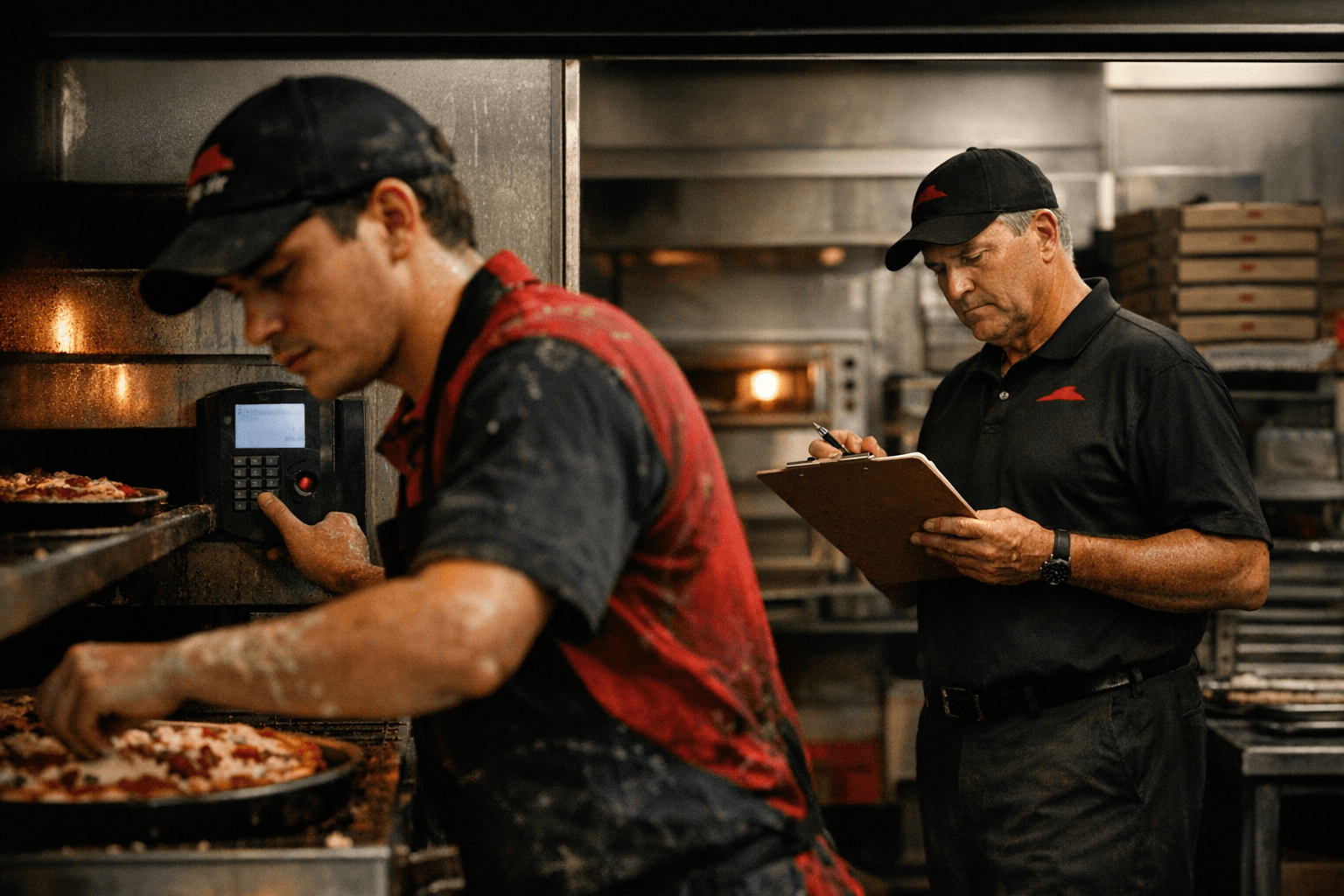
The changes are operational rather than symbolic. Kitchens and back-of-house systems were modified to replace sound alerts with light-based alerts and camera cues, while front-of-house guest interactions were simplified with Sign & Smile cards and adjusted ordering touchpoints. Managers at adapted sites have been trained in basic sign language and onboarding and training materials were rewritten to better meet the needs of new hires. Local non-governmental organizations helped with recruitment and training, embedding community expertise into workplace practices.
Early results point to measurable workforce effects. Management reports show stronger guest feedback at adapted restaurants and higher team retention compared with non-adapted locations, reducing churn on the frontline and easing hiring pressures. For employees this means more stable schedules, fewer staffing disruptions and a workplace culture that normalizes accommodating needs rather than treating them as a separate program. For managers, day-to-day responsibilities now include new communication skills and more hands-on coaching during service shifts.
The operational shifts also change how crews coordinate. Replacing audible alarms with visual cues requires new monitoring routines and a sharper reliance on camera systems during peak service. Simplified guest touchpoints streamline interactions but require staff to become fluent in a small set of nonverbal signals and assisted-service devices. That training investment appears to be paying off in the initial sites, both for service consistency and employee confidence.
Rolling out adaptations at scale will test franchise operations. Physical refits, procurement of lighting and camera systems, and broader sign-language training will require budget, time and rollout planning as the program expands into additional markets. Partnerships with local NGOs are serving as a bridge for recruitment and cultural competency, reducing friction and speeding up onboarding.
For workers, the program signals a shift toward inclusion as an operational norm rather than a corporate bolt-on. As the chain adds more adapted restaurants in 2026, expect more job postings aimed at people of determination, growing demand for basic sign-language skills among supervisors, and a closer partnership between HR, operations and community groups. The next year will show whether early retention gains can be sustained as the model scales.
Sources:
Know something we missed? Have a correction or additional information?
Submit a Tip