Pizza Hut one-day dough policy sparks worker concern over waste
A Pizza Hut employee posted that a one-day dough policy led to higher food waste and rising food costs. The change matters because in-store teams face tighter prep windows and added scheduling strain.

A Pizza Hut team-member posted on an employee forum on January 17 that their location had begun rolling out a one-day dough policy and shared a photo of the first night’s store waste. The post said the new rule increased food waste and pushed food cost higher, raising alarm among store staff who must manage daily production and inventory.
Commenters on the thread, who identified themselves as Pizza Hut employees and managers, said the change is being phased in over the next few months and that enforcement varies by franchise. Several contributors wrote that some franchisees had previously ignored one-day dough requirements, but the policy is becoming mandatory in certain areas. The shift from multi-day dough handling to single-day use tightens delivery and usage windows, creating more time-sensitive prep tasks for store teams.
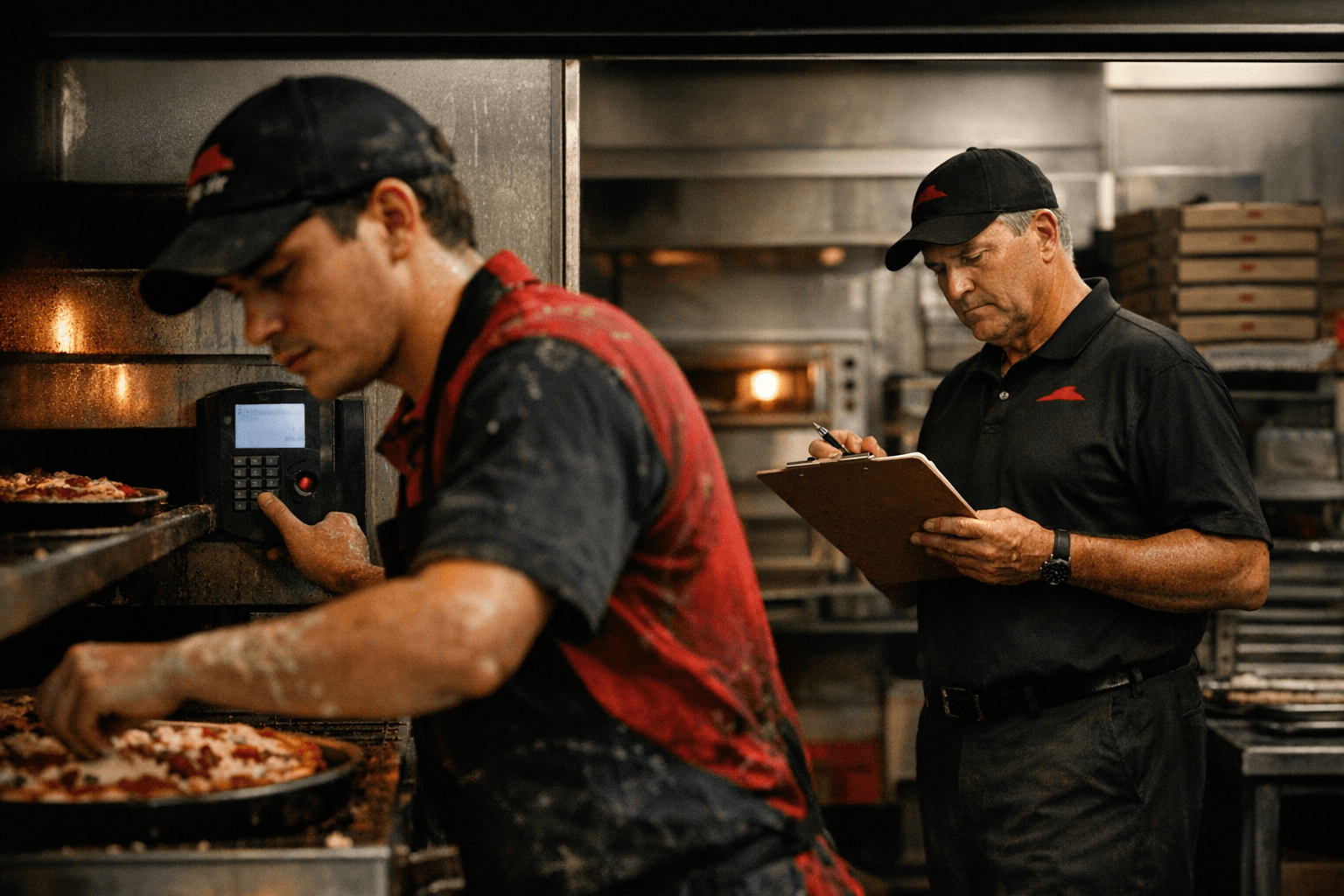
Employees described practical impacts that affect day-to-day operations. Shorter usable windows for dough increase the likelihood that product will go unused when demand fluctuates, translating directly into waste and higher food cost percentages on store P&Ls. The policy also compresses prep work into narrower periods, forcing managers to rework schedules to have team-members on hand precisely when dough must be produced, proofed, and used. That tightening can strain small crews on peak shifts and complicate labor forecasting for hourly staff.
Line workers and shift leaders noted the operational pressure of hitting production targets while trying to maintain consistent crust and topping quality. For stores that previously stretched dough across multiple days, the new cadence requires different forecasting practices and more frequent adjustments to par levels. Employees said the change risks either throwing away dough at the end of a shift or running out during service, with both outcomes affecting speed of service and customer experience.

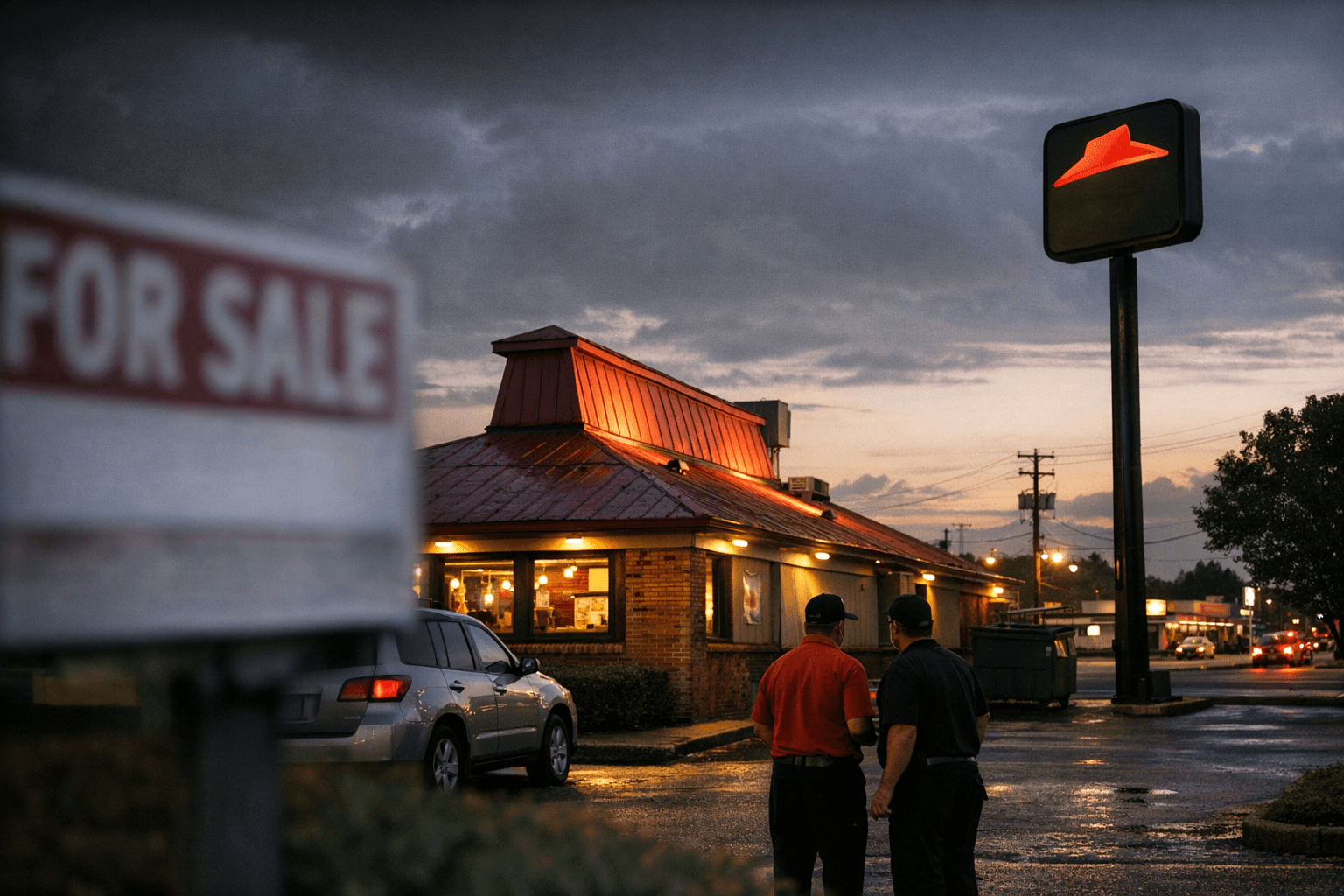
The franchise model adds another layer of complexity. Where enforcement is uneven, individual franchisees will face decisions about supply orders, waste reporting, and whether to absorb higher food costs or push those costs down through tighter labor or portion controls. For store staff, that may mean a heavier lift in documenting waste, adjusting prep schedules, and communicating with area managers about volume forecasts.
For Pizza Hut employees, the immediate steps are operational: track waste and food-cost changes closely, adjust scheduling to match the new prep windows, and raise patterns of spoilage with store leadership. Over the coming months, as the rollout continues, hourly crews and managers will be watching whether the policy stabilizes yields and quality or becomes a recurring source of waste and scheduling stress.
Sources:
Know something we missed? Have a correction or additional information?
Submit a Tip